


Opinion|Videos|March 26, 2026
Safety Considerations for Povorcitinib in HS
Author(s)Martina Porter, MD, Hadar Lev-Tov, MD, MAS
In this episode, our panel delves into the safety and tolerability of povorcitinib, specifically addressing the concerns clinicians often face regarding the JAK inhibitor class.
Advertisement
Episodes in this series
Dr. Porter explains that while JAK inhibitors carry boxed warnings for serious risks—such as thromboembolism, malignancies, and major adverse cardiac events—the HS patient population is generally younger than the rheumatoid arthritis cohorts where these risks were first highlighted. However, she notes that HS patients often possess baseline risk factors, as over half of the trial participants were smokers and the average BMI was over 30. Despite these factors, no such major events were reported during the initial 12-week placebo-controlled period, though one thromboembolic event occurred during the extension following a long-haul flight.
The experts also detailed more common, manageable side effects like dose-dependent acne, often referred to as JAKne. These cases remained mild-to-moderate and were easily addressed with standard topical or oral therapies. Other side effects, such as nasopharyngitis and headaches, were consistent with those seen in other immunosuppressive trials and rarely led to treatment discontinuation. Regarding laboratory monitoring, Dr. Porter observed an interesting trend where HS patients’ baseline anemia and elevated white cell counts often normalized as their systemic inflammation was treated by the medication, suggesting that the therapy's JAK1 selectivity helped minimize hematologic abnormalities.
Dr. Lev-Tov compares the management of JAK inhibitors to his long-term experience with cyclosporine, emphasizing that the therapeutic trade-off is often justified in severe cases. He suggests that with proper patient selection, informed consent regarding risks like clotting, and consistent monitoring, the significant quality-of-life benefits for HS patients outweigh the potential for adverse events. The discussion concludes with the sentiment that understanding the drug's mechanism and the patient's underlying risk profile allows clinicians to use these potent tools effectively and safely.
Our next episode further explores HS, highlighting the panelist’s final thoughts and key takeaways on the emerging landscape in HS.
Advertisement
Related to this article

A retrospective claims analysis of 2897 matched pairs found hazard ratios of 0.48 to 0.67 for new atopic disease with dupilumab vs systemic corticosteroids in children.
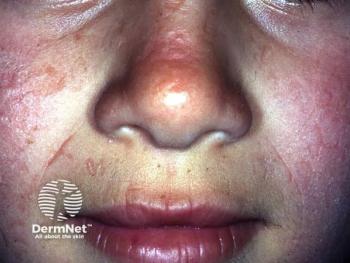
Disc Medicine reports the phase 3 APOLLO trial met all primary and secondary end points, with whole-blood PPIX reduced 41.4% vs placebo and an NDA resubmission planned by end of 2026.

Castor oil has become a popular social media remedy for thicker, longer hair, but evidence supporting its ability to stimulate hair growth remains limited.
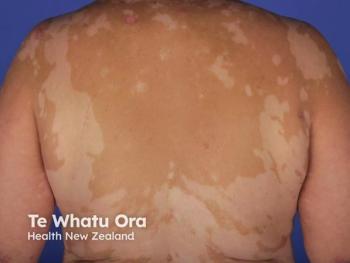
The FDA clearance allows Edesa to expand an ongoing placebo-controlled study of the CXCL10 antibody EB06 to US sites, with topline data expected in the fourth quarter of 2027.

The novel oral helicase-primase inhibitor demonstrated significantly higher rates of complete lesion healing compared with investigator’s choice treatment in the phase 3 PRIOH-1 trial.
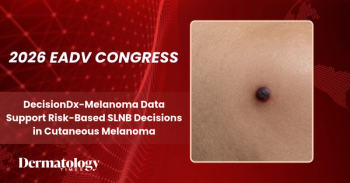
Prospective data suggest DecisionDx-Melanoma may help refine SLNB decisions and identify recurrence risk beyond conventional staging.

Falk G. Bechara, MD, discusses long-term tunnel control, structural damage, and the evolving role of biologics and surgery in HS care.
Galderma has agreed to acquire ZO Skin Health for $1.5 billion, adding the physician-dispensed skincare brand to a portfolio that already includes Cetaphil and Alastin.
Advertisement
Advertisement
Trending on Dermatology Times
1
Bitopertin Meets All End Points in Phase 3 APOLLO Trial for EPP
2
Social Media Mythbusters: Can Castor Oil Really Grow Hair?
3
EADV 2026 Atopic Dermatitis Highlights: Tilrekimig, RAC2 Inhibition, and Level Up Data
4
Dupilumab Associated With Lower Atopic March Risk in Pediatric Atopic Dermatitis
5