Immunovant will discontinue development of imeroprubart in cutaneous lupus erythematosus after the phase 2b study failed to meet its primary endpoint.
Around 800 rare skin diseases affect 6.8 million people worldwide, including epidermolysis bullosa, generalized pustular psoriasis, ichthyosis, and erythropoietic protoporphyria.
Rare Disease Day is recognized on February 28 this year as an opportunity to raise awareness about the impact and burden of rare diseases on patients and their caregivers. With over 300 million people globally who have a rare disease, advocacy is needed for equitable access to diagnosis, treatment, care, and social opportunities. This year’s key message from the Rare Disease Day Organization is “More Than You Can Imagine.”1
In dermatology, an estimated 800 rare skin diseases affect approximately 6.8 million patients worldwide. Some of the more recognized rare diseases include epidermolysis bullosa (EB), generalized pustular psoriasis, ichthyosis, and erythropoietic protoporphyria, among others.2
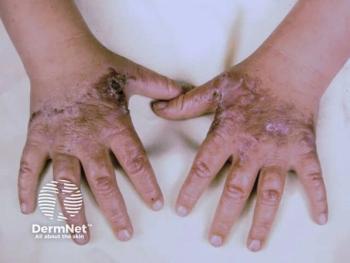
Recently, EB has experienced pipeline advances in therapeutics to address recessive dystrophic EB (RDEB) and DEB. With over 25,000 people with EB in the US alone, targeted therapeutics are a welcome option to both patients and clinicians.3
For RDEB, Abeona Therapeutics announced at the end of 2025 the first commercial patient treatment of prademagene zamikeracel (Zevaskyn), an FDA-approved therapy for adult and pediatric patients with RDEB. The agent, the first autologous, gene-modified cellular sheet, was first approved in April 2025 and has officially become available to patients outside of clinical trials. The availability of prademagene zamikeracel is crucial to address chronic and debilitating wounds for patients with RDEB.4
“Patients with rare genetic skin disorders have longed for highly effective therapies for decades. Recessive dystrophic epidermolysis bullosa is a devastating genetic skin disorder with high unmet need. Patients lack functional collagen VII, and it leads to poor healing wounds," Christopher Bunick, MD, PhD, associate professor of dermatology at Yale School of Medicine in New Haven, Connecticut, and Dermatology Times editor in chief, said in an exclusive statement.
“The science really works, even for such a rare disease as RDEB. We use a retrovirus to insert the collagen VII gene into the patient’s cells. These corrected cells are then grown into skin grafts and surgically applied to the patient’s wounds. Because the grafts come from the patient’s own cells, immunosuppressive drugs are not needed, which reduces the risk of adverse effects. This demonstrates that dermatology can meaningfully improve the lives of patients with some of the most challenging skin diseases,” Joyce Teng, MD, PhD, professor of dermatology at Stanford Medicine and chief of pediatric dermatology at Stanford Medicine Children’s Health, told Dermatology Times.
As dermatology clinicians encounter this rare disease, Abeona Assist is available to offer guidance to patients and their families on insurance navigation, financial assistance, and travel coordination for eligible patients.
Krystal Biotech announced in the third quarter of 2025 that beremagene geperpavec-svdt (Vyjuvek) had received FDA approval for a new label update to expand the drug’s eligible patient population to include patients with DEB from birth. Beremagene geperpavec is a noninvasive, topical, redosable gene therapy created to administer 2 copies of the COL7A1 gene when directly applied to DEB wounds. The updated expansion allows patients to apply the topical medication and manage wound dressings at home. Additionally, wound dressings can be removed as part of the next dressing change rather than patients have to wait 24 hours.5
“The updates to the Vyjuvek label are yet another significant and impactful step forward for all those living with DEB,” said Brett Kopelan, executive director of debra of America, in a news release. “Enabling caretakers to apply Vyjuvek during their standard-of-care regimen is an enormous positive change, allowing for increased convenience without sacrificing safety. The Krystal team has always prioritized patient safety and convenience when it comes to the use of Vyjuvek, and [their] advocating for these updates is not surprising given Krystal’s patient-centric approach. This aspect of the update to the label will only increase the quality of life of those living with this challenging disorder, and that is exactly what our community needs.”5
The FDA approved beremagenege perpavec in May 2023 based on data from 2 placebo-controlled clinical trials, GEM-3 (NCT04491604) and GEM-1 (NCT03536143), as the first therapeutic for DEB in the US.5
For dermatology clinicians, Rare Disease Day serves as a crucial reminder of the importance of recognizing diseases, making timely referrals, and being familiar with available therapeutic options for rare skin conditions. As treatments for EB move from clinical trials into daily practice, clinician awareness is essential—not only to identify eligible patients, but also to navigate evolving care models that may involve multidisciplinary coordination, specialized treatment centers, and access programs.
An increased understanding of EB and its expanding treatment availability enables clinicians to play a central role in ensuring patients benefit from these innovations, thereby reinforcing dermatology’s growing impact in the management of rare and severe skin diseases.
References
7 months ago
Dermatology Times February 2026 Print Recap7 months ago
New Dermatology Technologies in 2026