


Opinion|Videos|August 19, 2026
HS Case Study: Closing Diagnostic Gaps in Adult Women
A five-year history of 'ingrown hairs' turns out to be HS. The panel explores why primary care so often misses this diagnosis, and how to rebuild trust once it's finally named.
Advertisement
Episodes in this series
"HS Case Study: Closing Diagnostic Gaps in Adult Women" takes up the panel's second case: a 30-year-old woman whose disease has gone unrecognized for years.
The panel's second case is a 30-year-old woman presenting after an urgent care visit for a painful axillary abscess requiring incision and drainage. She reports a five-year history of recurrent nodules, abscesses, and draining lesions in the axilla and groin, long attributed to ingrown hairs and managed only by her primary care physician. Exam findings, including a limited tunnel without extensive interconnection, again place her at Hurley Stage 2. She describes avoiding intimate relationships out of fear over drainage and odor, appears visibly anxious during the exam, and makes self-deprecating comments about hygiene. Her history includes obesity, generalized anxiety disorder, a decade of smoking, and an uncertain family history of HS in her mother, along with multiple prior antibiotic courses, isotretinoin, and repeated incision and drainage.
Dr. Cices calls this pattern distressingly common: patients cycling through primary care with quick fixes that never address the underlying inflammation, developing new lesions and scarring while the root disease goes unnamed. She describes active outreach to emergency departments, gynecology practices, and family medicine to build referral pathways, noting that a simple rule, two boils within a year warrants a dermatology referral, could capture many missed patients earlier.
Asked how to build trust with a patient carrying this much shame, panelists describe opening with gratitude that she came in, then explicitly stating that HS is an immune condition and not her fault. They routinely dispel myths that patients bring in, including fears that HS is sexually transmitted, contagious, or caused by poor hygiene, reframing recommended antimicrobial washes as reducing inflammatory burden rather than correcting uncleanliness.
In "When to Escalate HS Treatment Before Disease Turns Severe," the panel debates when lifestyle counseling belongs in a visit, and when this patient's disease actually qualifies as severe.
Advertisement
Related to this article
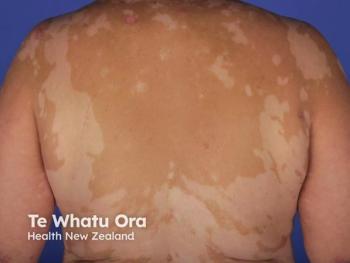
The FDA clearance allows Edesa to expand an ongoing placebo-controlled study of the CXCL10 antibody EB06 to US sites, with topline data expected in the fourth quarter of 2027.

The novel oral helicase-primase inhibitor demonstrated significantly higher rates of complete lesion healing compared with investigator’s choice treatment in the phase 3 PRIOH-1 trial.
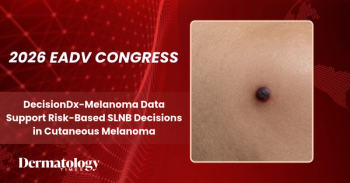
Prospective data suggest DecisionDx-Melanoma may help refine SLNB decisions and identify recurrence risk beyond conventional staging.

Falk G. Bechara, MD, discusses long-term tunnel control, structural damage, and the evolving role of biologics and surgery in HS care.
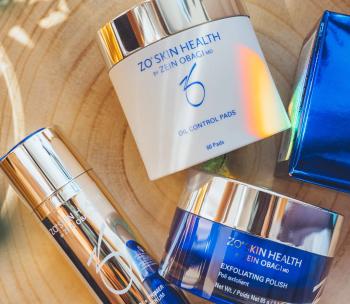
Galderma has agreed to acquire ZO Skin Health for $1.5 billion, adding the physician-dispensed skincare brand to a portfolio that already includes Cetaphil and Alastin.

New dermatology research explores hidden steroids in OTC products, infant eczema, melanoma prevention, cutaneous lymphoma, and pediatric AD.

SYX-5219 improved disease severity and itch in a Phase 1b trial of adults with moderate to severe atopic dermatitis.

In a survey of 301 employed adults, overall work impairment attributable to CHE was 31.8%, and quality of life worsened in step with self-reported disease severity.
Advertisement
Advertisement
Trending on Dermatology Times
1
FDA Approves Pritelivir for Refractory Mucocutaneous HSV in Immunocompromised Adults
2
GLP-1 Agonists Address Metabolic Risk in Psoriatic Disease
3
EB06 Phase 2 Vitiligo Study Receives FDA IND Clearance
4
EADV 2026 Atopic Dermatitis Highlights: Tilrekimig, RAC2 Inhibition, and Level Up Data
5