


Opinion|Videos|August 26, 2026
Comparing Biologic Pathways and Screening for HS Comorbidities
Choosing between TNF and IL-17 inhibition is only part of the picture. The panel maps out comorbidity screening, pain management, and where cannabis fits in.
Advertisement
Episodes in this series
In "Comparing Biologic Pathways and Screening for HS Comorbidities," the panel works through biologic sequencing before turning to the comorbidities that shadow this patient's disease.
Asked how they sequence biologic therapy, Dr. Cices explains that comorbid inflammatory bowel disease drives her toward TNF inhibitors first, since infliximab and adalimumab carry substantial off-label use in that setting. Absent contraindications, however, she now favors IL-17 inhibition first, citing strong efficacy with fewer adverse effects and noting the irony that originator TNF inhibitors have grown harder to get approved as biosimilars flood that market. Cynthia Trickett cites Italian data showing that a diagnostic delay beyond ten years cuts the odds of achieving fifty percent lesion clearance by week sixteen below fifty percent. The panel debates whether TNF-alpha and IL-17 inhibition sit on the same inflammatory pathway or represent genuinely separate targets, agreeing some patients need dual-pathway therapy since epigenetics can shift which cytokine dominates at different points in a patient's disease, with nodules driven more by one inflammatory cell type early and tunnels by another later.
The conversation shifts to comorbidities. Panelists screen for the follicular occlusion tetrad, PCOS, and inflammatory bowel disease, and one adds depression as an unlisted but near-universal fifth comorbidity, alongside sexual dysfunction that patients rarely raise unprompted. They describe leaning on psychiatry, gastroenterology, rheumatology, and pain management colleagues, while acknowledging psychiatric referral is often the hardest to arrange due to insurance limits. Pain management draws candid discussion, including occasional opioid use for severe perianal abscesses and patient use of medical cannabis; panelists note that smoked cannabis still generates pro-inflammatory combustion byproducts, so they steer patients toward tinctures or edibles instead, which may carry anti-inflammatory benefit without that downside.
In "HS Case Study: Setting Treatment Goals in Severe Disease," the panel introduces its third and final case: a 42-year-old man with 12 years of poorly controlled disease.
Advertisement
Related to this article
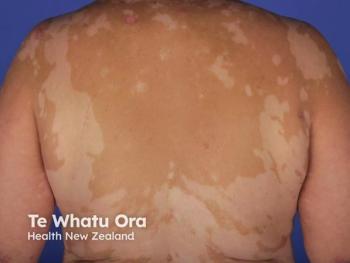
The FDA clearance allows Edesa to expand an ongoing placebo-controlled study of the CXCL10 antibody EB06 to US sites, with topline data expected in the fourth quarter of 2027.

The novel oral helicase-primase inhibitor demonstrated significantly higher rates of complete lesion healing compared with investigator’s choice treatment in the phase 3 PRIOH-1 trial.
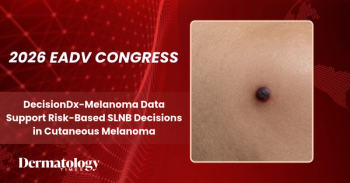
Prospective data suggest DecisionDx-Melanoma may help refine SLNB decisions and identify recurrence risk beyond conventional staging.

Falk G. Bechara, MD, discusses long-term tunnel control, structural damage, and the evolving role of biologics and surgery in HS care.
Galderma has agreed to acquire ZO Skin Health for $1.5 billion, adding the physician-dispensed skincare brand to a portfolio that already includes Cetaphil and Alastin.

New dermatology research explores hidden steroids in OTC products, infant eczema, melanoma prevention, cutaneous lymphoma, and pediatric AD.

SYX-5219 improved disease severity and itch in a Phase 1b trial of adults with moderate to severe atopic dermatitis.

In a survey of 301 employed adults, overall work impairment attributable to CHE was 31.8%, and quality of life worsened in step with self-reported disease severity.
Advertisement
Advertisement
Trending on Dermatology Times
1
FDA Approves Pritelivir for Refractory Mucocutaneous HSV in Immunocompromised Adults
2
GLP-1 Agonists Address Metabolic Risk in Psoriatic Disease
3
EB06 Phase 2 Vitiligo Study Receives FDA IND Clearance
4
EADV 2026 Atopic Dermatitis Highlights: Tilrekimig, RAC2 Inhibition, and Level Up Data
5