

At Elevate-Derm Fall, Ted Rosen, MD, detailed how rapidly evolving resistance in bacteria, fungi, viruses, and more is reshaping therapeutic choices.
At Elevate-Derm Fall, Ted Rosen, MD, detailed how rapidly evolving resistance in bacteria, fungi, viruses, and more is reshaping therapeutic choices.
Clinicians can enhance aesthetic outcomes by proactively managing GLP-1 patients' expectations, addressing facial changes early, and integrating holistic treatment strategies.

Dupilumab clears AD clinically and histologically, but deep immune profiling shows disease-memory T cells persist in the skin.

New research reveals ritlecitinib's potential to reverse scarring alopecias by targeting inflammation, offering hope for hair regrowth in autoimmune disorders.
At Elevate-Derm 2025, Diego Ruiz Dasilva, MD, emphasized cross-role teamwork and urged clinicians to consider positive JAK inhibitor safety data.

Discover how BOTOX Cosmetic Day highlights natural results and patient satisfaction, backed by new research from ASDS on diverse populations and effective treatment strategies.

Stacey Swinehart, DNP, FNP-BC, DCNP, CNL, shares key takeaways for clinicians from the SDNP's recent webinar on detecting intimate partner violence among patients.
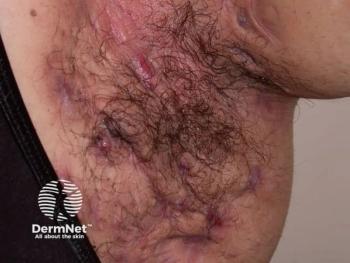
Discover the latest insights on hidradenitis suppurativa treatment, emerging therapies, and the importance of compassionate care for patients.

New findings showcase DecisionDx-Melanoma's effectiveness in predicting sentinel lymph node positivity and enhancing recurrence risk assessment in melanoma patients.
Benjamin Ungar, MD, shares groundbreaking insights on seborrheic dermatitis and emerging treatments in dermatology at ISDS 2025.

This review of the latest dermatologic studies highlights new research on acne, including post-treatment recurrence, the use of AI, severity in cystic fibrosis patients, and more.

A recent survey reveals patients prioritize board-certified dermatologists and increasingly favor teledermatology for faster, accessible care.
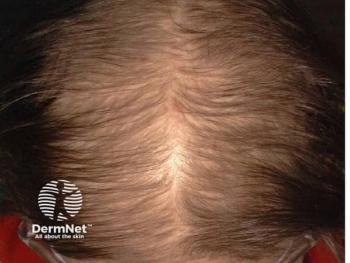
Veradermics initiates a groundbreaking trial for VDPHL01, an oral minoxidil treatment, addressing female pattern hair loss with innovative solutions.
Using multiple treatment modalities often achieves superior repigmentation compared with monotherapy, according to Michael Lewitt, MD.

Experts discuss hair loss challenges and treatments for skin of color, highlighting the importance of early intervention and accurate diagnosis.

GLP-1 medications are reshaping dermatology, driving increased patient demand for treatments addressing facial volume loss and jowling concerns, according to Joely Kaufman, MD.
Neuroimmune modulation, including vagus nerve stimulation, is highlighted as a promising strategy for patients unresponsive to biologics.
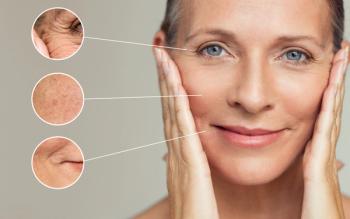
Explore how skin aging and cellular senescence impact overall health, revealing insights into anti-aging strategies and cosmetic conundrums.

AEON Biopharma showcases promising biosimilar data for ABP-450, indicating strong similarity to BOTOX, paving the way for FDA approval.
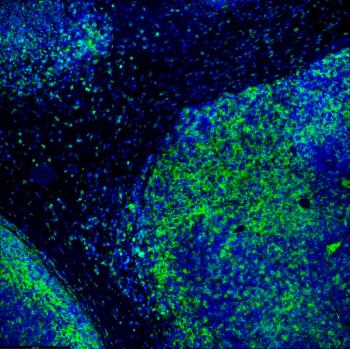
Kilian Eyerich, MD, PhD, argues that classifying skin diseases by immune response patterns offers clearer therapeutic guidance than traditional morphology.

Discover how viral skin care trends on social media mislead users, compromising skin health, and learn evidence-based strategies for effective care from Nerissa Prieto, MD.

A Prescription Drug User Fee Act target action date is set for June 29, 2026.

Denifanstat emerges as a groundbreaking oral therapy for acne, targeting sebum production and inflammation, promising safer, effective treatment options.

Catch up on coverage from the final day of the 2025 Elevate-Derm Fall Conference.
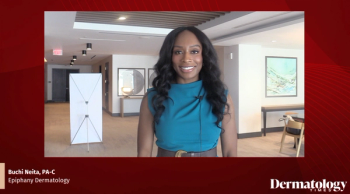
At Elevate-Derm, Buchi Neita, PA-C, discussed treatment expectations for vitiligo, triple-combination cream for acne, early diagnosis in HS, and what she’s looking forward to in the 2026 pipeline.
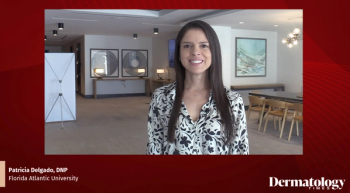
At Elevate-Derm Fall, Patricia Delgado, DNP, AGPCNP, DCNP, PMHNP, outlined practical ways dermatology clinicians can incorporate psychodermatology principles and previewed the upcoming Psych and Skin video series.
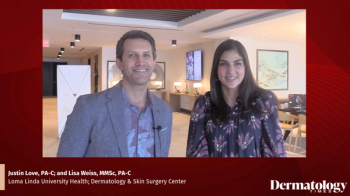
Lisa Weiss, MMSc, PA-C, and Justin Love, PA-C, discuss the importance of broad differentials, repeat biopsies, and national networking to strengthen diagnostic accuracy and provider support at Elevate-Derm Fall.

Julio Gonzalez Paoli, MD, shares tips for early lupus diagnosis at the Elevate-Derm Fall Conference.

Catch up on coverage from the third day of the 2025 Elevate-Derm Fall Conference.
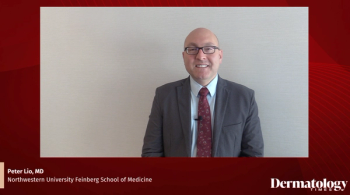
At Elevate-Derm Fall, Peter Lio, MD, discussed how flexible clinical reasoning and an expanding therapeutic pipeline, particularly hidradenitis suppurativa and atopic dermatitis, are reshaping patient management heading into 2026.