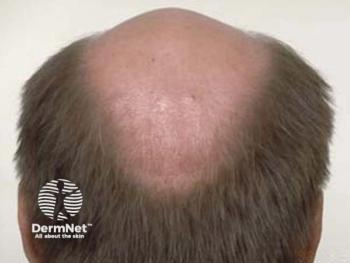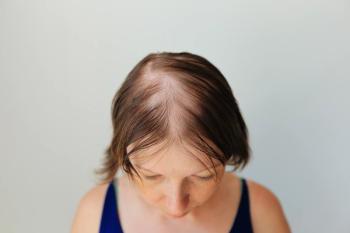
From emerging therapies to earlier intervention and psychosocial support, Dermatology Times looks back at key alopecia areata developments in 2026.
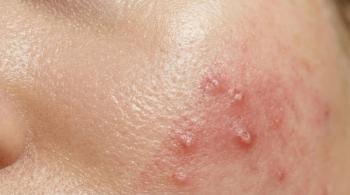
As 2025 comes to a close, Dermatology Times is taking a look back at the studies, therapies, and advances in acne this year.
Throughout 2025,
In 2025, regulatory updates, safety concerns, and patient trust dynamics were balanced alongside reports on novel mechanisms of action, pipeline therapies, and global epidemiologic trends. From benzoyl peroxide testing and isotretinoin safety considerations to advances in mRNA technology and non-antibiotic treatments, these developments reflected a field moving toward more targeted, informed, and patient-aligned care.
The agency shared details of additional voluntary recalls and its plans to release full results of its independent testing in the coming months.
Despite early psychological symptoms, over half of the patients in the study completed their full treatment course.
Even with the recent rise of social media guidance, patients still trust dermatologists over social media influencers for acne treatment.
Global acne burden in reproductive-age women has risen significantly, with greater increases expected by 2040.
Joshua Zeichner, MD, spoke to Dermatology Times about Sanofi's clinical trials for the world’s first mRNA acne vaccine, aiming to revolutionize treatment by targeting the body’s inflammatory response rather than just symptoms.
Biofrontera Inc. advances acne treatment with aminolevulinic acid hydrochloride gel, completing a phase 2b study for moderate to severe cases.
Denifanstat emerges as a groundbreaking oral therapy for acne, targeting sebum production and inflammation, promising safer, effective treatment options.
This year’s interviews explored acne care through a multidimensional lens, emphasizing the intersection of clinical management, patient well-being, and emerging innovation. Conversations addressed the psychosocial impact of adolescent acne, seasonal treatment considerations, and the evolving role of technologies—from advanced lasers to novel therapeutics—in optimizing outcomes.
According to Nanette Silverberg, MD, emotional resilience, social support, and purposeful activities help adolescents cope with acne-related stress.
Compliance with acne medications remains a challenge, but timely intervention can prevent severe skin damage.
Iris Rubin, MD, reveals how her brand SEEN transforms hair products to combat acne, promoting clearer skin through innovative, skin-friendly formulations.
Sonia Batra, MD, shares effective summer acne solutions using lasers such as Aerolase Neo Elite and AviClear, ensuring tailored care for optimal skin health.
In an era of rapidly evolving information and patient-driven trends, these clinical tips highlighted the growing role of AI-powered tools in patient education, emerging misinformation circulating on social media platforms such as TikTok, and the need for evidence-based counseling as patients experiment with unconventional skin care approaches for acne-prone skin.
Menopausal acne is rising yet underexplored; treatment must address hormonal shifts, skin sensitivity, and patient emotional well-being.
Social media reshapes dermatology, but misinformation about acne treatments on platforms like TikTok raises concerns among clinicians and patients alike.
SkinGPT by Haut.AI uses AI to visually simulate skin care results, empowering inclusive, personalized skin care and bridging clinical data with patient insight.
Topical dapsone shows promise in treating various mucocutaneous diseases, including rosacea and neutrophilic dermatoses, with a favorable safety profile.
While individual fatty acids in tallow have known biological effects, their combined impact in whole tallow remains uncertain.