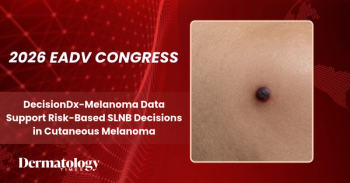
Prospective data suggest DecisionDx-Melanoma may help refine SLNB decisions and identify recurrence risk beyond conventional staging.
Catch up on coverage from the third day of South Beach Symposium 2026.
To stay informed with the latest conference insights, follow us on social media and
At South Beach Symposium 2026, Benjamin Ungar, MD, discussed safer, long-term approaches for seborrheic dermatitis.
At MOPD 2026, Lisa Swanson, MD, urges fungal cultures amid terbinafine resistance and warns attendees about risky kids’ skin care trends.
Glynis Ablon, MD, FAAD, examines the intersection of menopause, hormones, and dermatologic health.
At South Beach Symposium 2026, Mona Shahriari explores OX40/OX40L therapies for atopic dermatitis.
GLP-1 therapies represent a paradigm shift requiring dermatology to integrate metabolic, medical, and aesthetic care.
For more insights from SBS and beyond, check out our