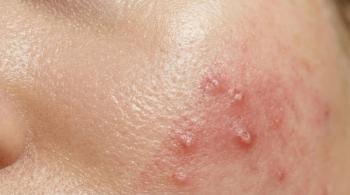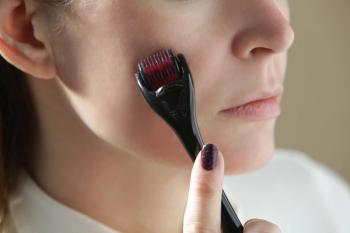
Can at-home dermarollers give the same results as in-office microneedling or is that just a myth? Read more about the latest social media trend and learn how to counsel your patients in the clinic.
Glynis Ablon, MD, FAAD, examines the intersection of menopause, hormones, and dermatologic health.
Hormonal changes across the lifespan of women has become an increasingly relevant topic in dermatology, particularly as patients present with concerns that extend beyond traditional aesthetic complaints. Hair thinning, xerosis, impaired barrier function, body composition changes, and alterations in skin quality are frequently reported during midlife and often overlap with perimenopause and menopause. In a recent interview with Dermatology Times at
A central theme of the discussion is recognition. Perimenopausal symptoms, Ablon explains, can begin much earlier than many patients anticipate—sometimes as early as the mid-30s—and are frequently overlooked or attributed solely to chronological aging. She emphasizes that persistence is key: when symptoms such as dryness, hair loss, or structural skin changes do not resolve, further investigation may be warranted. From a dermatologic perspective, these cutaneous findings may serve as early indicators of systemic hormonal shifts rather than isolated skin conditions.
Ablon highlights the importance of comprehensive hormonal assessment when clinically appropriate. Rather than focusing exclusively on estrogen and progesterone, she notes the relevance of adrenal hormones, DHEA, and cortisol, all of which may influence skin integrity, hair cycling, inflammation, and overall physiologic resilience. Longitudinal or diurnal testing, she suggests, may offer a more nuanced understanding of hormonal patterns than single-point laboratory values, particularly in patients with multifactorial symptoms.
Ablon also addresses the enduring influence of the 2002 Women’s Health Initiative (WHI) study on attitudes toward menopausal hormone therapy. Ablon is direct in her assessment, stating, “They studied the wrong population.” The broader clinical implication of this reflects an evolving evidence base: subsequent analyses have demonstrated that age, timing of initiation, and hormone formulation significantly affect risk–benefit profiles. For dermatologists, this distinction is clinically relevant, as systemic hormone decisions may have direct and indirect effects on skin quality, hair density, and body composition.
In addition to prescription therapies, Ablon discusses lifestyle and adjunctive strategies, including nutrition, supplementation, and early preventive care. She underscores the role of environmental and dietary factors in long-term health, particularly those that may contribute to inflammation or metabolic dysfunction. While acknowledging that evidence varies across interventions, she emphasizes individualized decision-making and early engagement with knowledgeable clinicians.
Ultimately, Ablon reframes menopause as a dynamic and modifiable phase rather than a fixed decline. As she states, “I'm pro-aging, but I want to do it on my terms.” For dermatologists, this perspective aligns with a broader shift toward longitudinal, integrative care—recognizing the skin not only as a treatment target, but also as a visible marker of systemic change. As patient awareness grows and expectations evolve, dermatology’s role in midlife, hormone-aware care is likely to continue expanding.