

News|Articles|September 1, 2025
Biofrontera Completes Ameluz Phase 2b Trial for Moderate to Severe Acne
Author(s)Marie Bosslett, Assistant Editor
Listen
0:00 / 0:00
Key Takeaways
- Biofrontera's phase 2b study of Ameluz gel for acne aims to expand its indications and address current treatment limitations.
- The trial involved applying the gel with red-light therapy, followed by a two-month follow-up period.
Biofrontera Inc. advances acne treatment with aminolevulinic acid hydrochloride gel, completing a phase 2b study for moderate to severe cases.
Advertisement
Last week, Biofrontera Inc. announced the conclusion of its phase 2b study for Ameluz topical gel (aminolevulinic acid hydrochloride) for patients with moderate to severe acne.1 The multicenter, randomized, double-blind trial compared the photosensitizing agent and porphyrin precursor to vehicle gel when combined with red-light photodynamic therapy.
“We are thrilled to achieve this important milestone in our clinical program”, Hermann Luebbert, PhD, CEO and Chairman of Biofrontera, said in a statement. “It brings us a significant step closer to potentially offering a new, effective, and much-needed treatment option for patients with moderate to severe acne vulgaris. This trial represents meaningful progress in expanding the indications for Ameluz and reinforces our commitment to advancing photodynamic therapy.”1
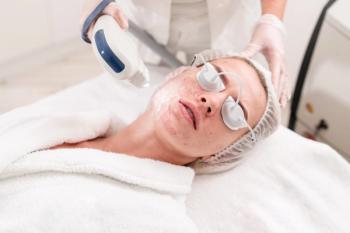
One tube of the aminolevulinic acid hydrochloride gel was applied to the entire face, and patients were incubated for either 1 or 3 hours before illumination. The BF-RhodoLED lamp was used to conduct up to 3 photodynamic therapy sessions performed at monthly intervals. The patient follow-up period lasted for 2 months after the final round of photodynamic therapy.
In the press release, Biofrontera acknowledged the range of therapies available for acne, including topical agents, systemic antibiotics, hormonal therapies, isotretinoin, and physical treatments. The company believes that aminolevulinic acid hydrochloride gel can address the limitations associated with these such as adverse events, teratogenic risks, continuous dosing, and particularly, antibiotic resistance. More than 55% of spending in the US acne treatment market is currently directed to oral antibiotics and isotretinoin. The condition impacts up to 50 million people each year, including 40% of adults.2
Mitchel P. Goldman, MD, FAAD, the coordinating investigator of the study and Medical Director of Cosmetic Laser Dermatology and Platinum Dermatology Partners, spoke highly about the alternative therapy and its potential use in the acne treatment landscape.
"Ameluz photodynamic therapy has demonstrated meaningful benefits in other dermatologic conditions, and we believe it will become an important option for patients with moderate to severe acne vulgaris,” he said. “Many of these patients continue to rely on regimens that carry significant treatment burdens, including cost, adverse effects, and the necessity for prolonged treatments. Expanding the use of Ameluz to treat acne would be a valuable advancement for both physicians and patients. We look forward to the study results with great anticipation.”1
The combination of the RhodoLED XL lamp and the Ameluz topical gel, 10%, is currently approved by the US Food and Drug Administration (FDA) for the treatment of mild to moderate actinic keratosis of the face and scalp.3 Clinical trials to extend the use of the products to treat non-melanoma skin cancers are also in the works. Topline data for Ameluz in patients with acne is anticipated for early next year, with hopes of presenting positive findings to the FDA later in 2026. This indication would pave the way for a phase III program, with the eventual goal of achieving federal approval.
References
1. Biofrontera Inc. Announces Last-Patient-Out in Phase 2b Study of Ameluz® (aminolevulinic acid HCI) Topical Gel, 10% for the Treatment of Moderate to Severe Acne Vulgaris. News release. BioSpace. August 25, 2025. Accessed September 1, 2025.
2. Collier CN et al. “The prevalence of acne in adults 20 years and older.” J Am Acad Dermatol. 2008;58(1):56–59.
3. Biofrontera announces the launch of a new, FDA-approved red light source, the RhodoLED XL lamp. News release. BioSpace. June 24, 2024. Accessed September 1, 2025.
Advertisement
Related Content
Advertisement




Advertisement
Advertisement
Trending on Dermatology Times
1
Biologic Therapy Linked to Lower 10-Year MACE Risk Across Racial Groups in Psoriasis
2
Former CDC Director Robert Redfield Joins Turn Therapeutics as Chief Scientific Officer
3
Body Weight, Not BMI, Associated With Brodalumab Response Trajectory in Plaque Psoriasis
4
FDA Grants QRX003 Rare Pediatric Disease Designation in Peeling Skin Syndrome
5