
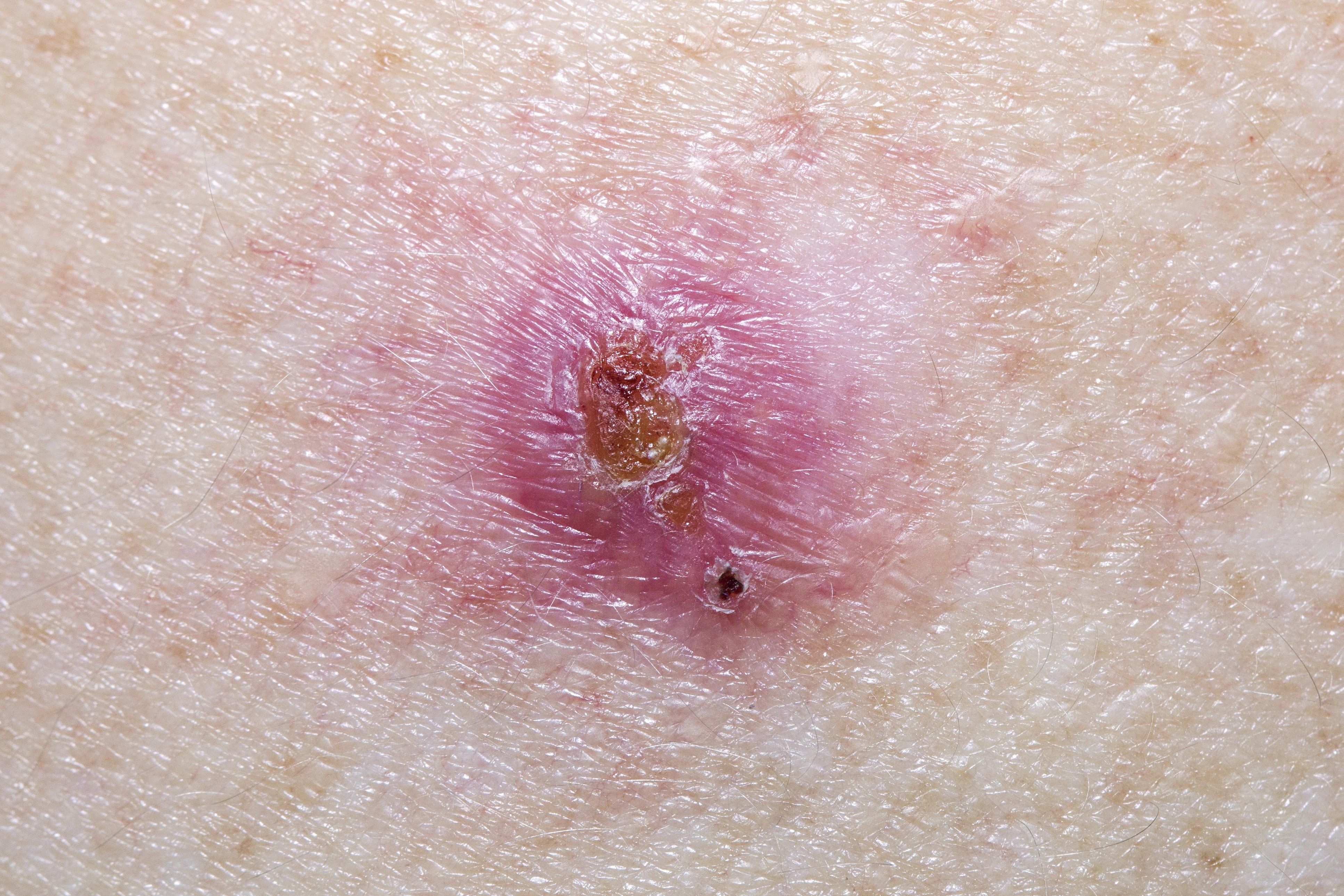






There have been major technological advances in optical imaging techniques over the last decade, but the dermatoscope remains the diagnostic tool of choice for the quick and accurate imaging of pigmented skin lesions. Find out why in this article.

There have been major technological advances in optical imaging techniques over the last decade, but the dermatoscope remains the diagnostic tool of choice for the quick and accurate imaging of pigmented skin lesions. Find out why in this article.
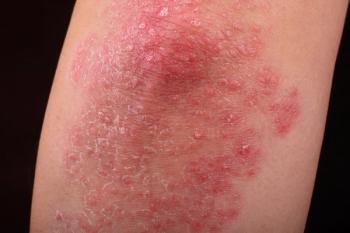
A recent study aimed to explore whether patients suffering from psoriasis carry serious medical morbidity, including cancer, that is not detected through history, physical exam and laboratory studies.
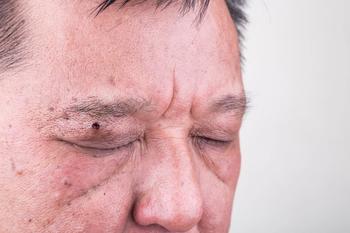
Continued research has led to a variety of melanoma immunotherapy medications, leading to improved survival of melanoma patients. Clinicians should have a firm grasp of the immune mechanisms behind these novel therapies to provide the best advice on treatment and management options of their melanoma patients
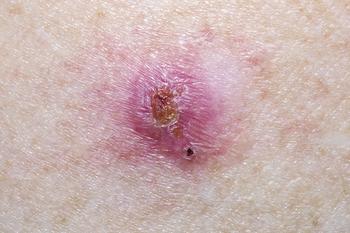
Superficial radiation therapy is experiencing a renaissance in dermatologic therapy due to the modernized equipment and updated guidelines, as well as excellent treatment outcomes for patients with NMSC which rival those seen with other approaches, including Mohs surgery.
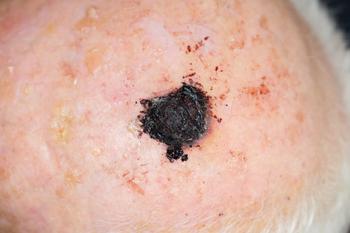
The cutaneous side effects of targeted therapies and immunotherapy for melanoma can complicate treatment and become a burden to patients. Dermatologists must aggressively address these side effects for a more ideal management and better quality of life for their melanoma patients.

The development of new biologics targeting a variety of dermatoses is on the upswing with some treatments coming to the clinic as early as this year, according to April Armstrong, M.D. who discussed the topic at the American Academy of Dermatology Spring Meeting in Washington, D.C.

In this table, we highlight frequently asked questions about the staging, treatment and surveillance of early-stage melanoma.
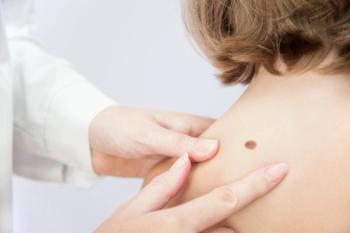
A recent study investigating the association between dietary fat intake and the development of skin cancers found polyunsaturated fat intake especially omega-6 fat to be modestly and consistently associated with skin cancer risk.

Healthcare disparities exist in all fields of medicine, including dermatology. We seek to address these disparities in this article by outlining the differences in epidemiology, presentation, access and outcomes of five conditions in patients with skin of color.

The FDA has approved STP705, an siRNA (small interfering RNA) therapeutic for in situ Squamous Cell Carcinoma Nonmelanoma Skin Cancer (NMSC), to proceed with phase two clinical trials.

A recent study suggests that genes such as ERBB2, KIT, FGFR3, and RET might be relevant in the treatment of individual patients with cutaneous melanoma.
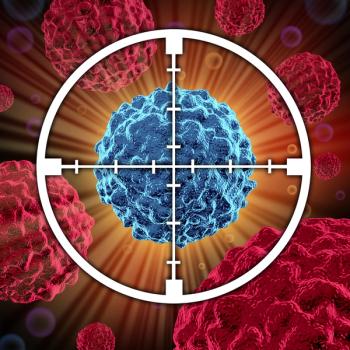
The past decade has seen significant advances in the understanding of molecular pathogenesis of skin cancer leading to the development of targeted treatments and immunotherapies that have dramatically improved progression free survival and even overall survival in melanoma, basal cell carcinoma (BCC) and even some rarer cutaneous carcinomas.
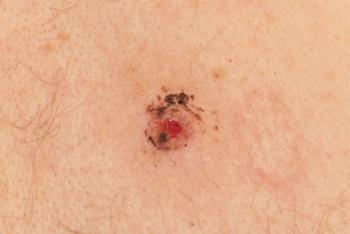
Cell-free circulating DNA (cfDNA) can provide a useful snapshot of the BRAF and NRAS genotype of melanoma patients’ tumor tissue and act as a useful surrogate to assessing tissue biopsies for the markers, a recent study suggests.
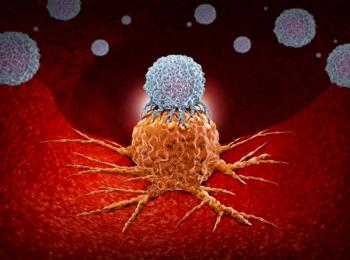
IDO inhibitors have recently emerged as a new and exciting class of anticancer drugs. Learn more about this and other immunotherapy treatments in this article.

Doctors suggest that cytokine antagonists may lessen the severity of the rash.

Combining antibody IgG2a with a TNF protein shows promise against melanoma in mouse studies.
Treatment options for metastatic melanoma have greatly improved, including in the adjuvant setting, and these advances are reflected in the recently updated American Academy of Dermatology clinical guidelines on the management of primary cutaneous melanoma. Find out what has changed in this article.
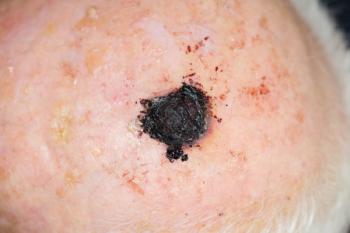
What is a life worth? Does it come down to dollars and cents? A recent study examines these questions in light of current and projected costs of melanoma treatment.

Reimbursements for actinic keratosis treatments are down slightly, but the demand for treatment is up by 20 percent.
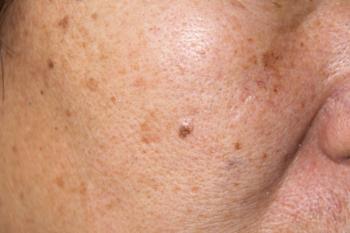
Topical 5‐fluorouracil is FDA-approved to treat actinic keratoses and superficial basal cell carcinoma, but it is commonly used off-label to treat a number of other skin conditions, such as squamous cell carcinoma despite strong evidence.

Literature review shows that laser-assisted photodynamic therapy more efficacious than photodynamic therapy alone for actinic keratosis.

The American Academy of Dermatology has updated its guidelines for the care and management of primary cutaneous melanoma. The guidelines, which were released this week, cover the treatment of primary cutaneous melanoma for all age groups.
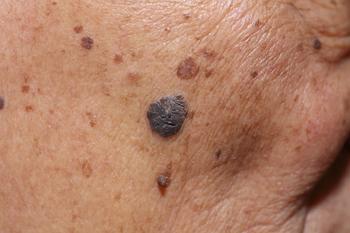
At the Fall Clinical Dermatology Conference in Las Vegas, one practical talk with a lot of takeaways was a workshop on two types of diagnostic tests for mole genomics.

Topical 5-fluorouracil (5-FU), which is FDA approved for treating actinic keratoses and superficial basal cell carcinoma, shows the strongest evidence of effectiveness for these two conditions plus squamous cell carcinoma, according to a comprehensive systematic review.
Superficial radiation therapy (SRT) targets only skin cancer cells and has few side effects, researchers reported at the American Society for Dermatologic Surgery annual meeting.