











This week, consumer magazines highlight injectables on masked patients, “maskne” treatments, at-home laser hair removal and more.
This week, consumer magazines highlight injectables on masked patients, “maskne” treatments, at-home laser hair removal and more.

Women are the majority who undergo aesthetic procedures, and key to reaching them, according to Dr. Gina Barreca, is knowing what they want.

In case you missed it, this week we covered news from Revance, the latest laser trend and skin clues that may indicate COVID-19 infection.

Details and registration information for the fourth webinar in our series on Survival of the Private Practice.

Dr. Anna Chacon examines skin findings that may be linked to coronavirus, citing the importance of awareness and management.

Mantra Mask announces the launch of two new sheet masks and eye gels containing CBD, adding to their portfolio of their all-natural skincare products.

Today’s laser technology makes it safer and more convenient for patients of all skin tones to have dramatic facial resurfacing results.

Revance Therapeutics announces the signing of a definitive agreement to acquire financial technology company, Hint, Inc., and its proprietary financial technology platform designed for the aesthetic practice.

This week, consumer media offers your patients advice on using ultrasonic spatulas, at-home microneedling devices, and more.

Dr. Suneel Chilukuri of Refresh Dermatology located in Houston, Tx., sits down with Dermatology Times to discuss the aesthetic needs of millennial patients and what they've been requesting, such as treatment for 'tech neck' and much more.

Galderma announces positive results from their recent DREAM clinical study evaluating patient safety and satisfaction of abobotulinumtoxinA (Dysport) for glabellar lines when injected twice a year.


Telemedicine is a critical tool during COVID-19, but there are limitations.

Dr. Anna Chacon describes her learning experience using telemedicine to make everyday patient interactions possible.

AbbVie recently announced the final acquisition of globally recognized aesthetics brand, Allergan, providing long-term and new growth opportunities for the company.

In this 1-hour webinar, Dr. Randolph Waldman and a panel of experts drill down into the legal concerns physicians are facing that are unique to the #COVID19 time period, including liability risk, consents, and protection strategies.

Galderma announces results of their DREAM study using Dysport twice-yearly for a natural reduction in glabellar lines.
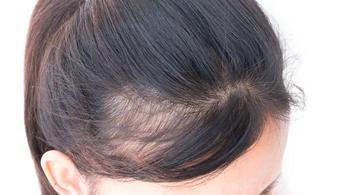
A variety of topical and injectable therapies are showing promise for addressing the problem of hair loss in both men and women, says Matt Leavitt, D.O.

This week’s Patient Insight highlights the frontlines of COVID-19, how allergies affect the skin, topical collagen and more.
Patients want better laser resurfacing results with less downtime, but a growing number may be willing to take more time off for more dramatic results.

Is there an ideal protocol available for hair loss treatment? Dr. Suneel Chilukuri says PRP + Nutrafol seem to work better together.
Panelists from our latest webinar answer the questions you asked related to testing when you reopen the private practice.

Panelists from our latest webinar answer the questions you asked related to safety when reopening the private practice.

Non-surgical neck rejuvenation solutions may be easy to incorporate into the aesthetic practice, but according to Dr. Randolph Waldman, there is a simple surgical solution that delivers facelift-like results.

Galderma announces the U.S. Food and Drug Administration has approved hyaluronic acid lip filler, Restylane Kysse, in patients 21 years and older.