






This week’s Patient Insight examines possible COVID-19 reinfection, anxiety-induced skin picking, skincare for those wearing PPE and more.

This week’s Patient Insight examines possible COVID-19 reinfection, anxiety-induced skin picking, skincare for those wearing PPE and more.

Dr. L. Mike Nayak recalls his decision to go virtual for his Medspa Mastery course. Adding #NoFilter to the name, he says that he wants to take the best part of going to conferences — small group and one-on-one discussions with colleagues — and bring it to the computer screen.

We brought physician and industry leaders together for a live webinar to examine new protocols being put in place in the private practice for once COVID-19 mandates are lifted. Our panel offered insights and answers on how to keep patients and staff safe when the appointments and surgeries are back on the schedule.

Dr. Randolph Waldman and his COVID-19 director have developed a protocol, shared here, for reopening his practice.
Zoe Diana Draelos, M.D, discusses prebiotic, probiotic and postbiotic skincare products and their role in normalizing the skin microbiome.

REVIAN, Inc. releases positive data from their study investigating the REVIAN RED dual wavelength 620 nm and 660 nm light therapy device as a therapy for scalp pruritus and irritation.
It is with great pride that we introduce you to the first print issue of the Aesthetic Authority. Within our pages, physicians, including our Medical Advisor Dr. Randolph Waldman, discuss topics such as fat grafting, protocol for treating hair loss and a minimal-incision approach to submentoplasty.

As aesthetic practices are given the green light to reopen, staff and patients will have to adapt to a new normal. This is what experts believe that may look like.

This week’s Patient Insight examines COVID-19 symptoms in a young, healthy person, what it means for patients to miss their regular injectable treatments, one woman’s experience with diindolylmethane for cystic acne and more.
In part 2 of this 2-part series, physicians discuss protocols for muscle toning technologies, compare energy output and the benefits beyond aesthetics.
Nonsurgical body contouring with Emsulpt, Cooltone by Coolsculpting and truSculpt flex are the newest muscle toning evolution, but which one should you incorporate into your practice?
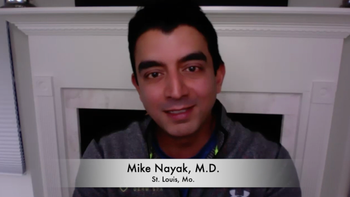
Dr. Mike Nayak talks issues of safety and practicality regarding national reopening guidelines, and the benefits of collaborating with local multi-specialty practices to share ideas and determine best practices together.

At the most recent ASDS meeting, Catherine DiGiorgio, M.D., Boston, discusses the current state of noninvasive body contouring, and what noninvasive devices and procedures will soon hit the market including a collagenase clostridium histolyticum injection and cellulite-targeting devices that use electromagnetic stimulation and radiofrequency.


We brought physician and industry leaders together last week for a live webinar to examine the current state of the private practice as well as its viability over the next few months. Our panel offered insights and inspiration for remaining productive, proactive and positive as we work towards a return to business.

In this week’s Patient Insight, Dr. Jason Roostaeian, a UCLA Plastic Surgeon, talks to Allure about his first-hand account of having COVID-19 and how the virus is affecting the specialty. Allure also examines the effect N95 masks can have on facial skin. In Hello Giggles, they talk at-home microcurrent tools, while Real Simple details 7 anti-aging tricks, and everything your patients need to know about sunscreen expiration.
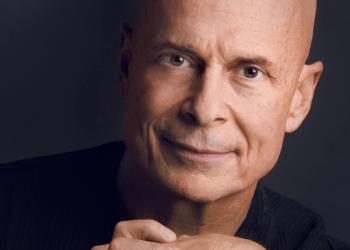
Not only are these words that Dr. Joe Niamtu lives by, but he believes all the best (and most fulfilled) doctors do too.

One of the first plastic surgeon-developed skincare lines goes beyond aesthetic considerations in pursuit of a skin burn solution.

Kannalife recently announced positive results showing the effectiveness of Atopidine vs. CBD to prevent UVB-related inflammation.

This week in consumer media, Self explains how to safely wear a homemade mask, and what to do in the case of a non-COVID-19 health emergency. Women’s Health talks teledermatology for those who need appointments, Vogue speaks with dermatologists about LED mask safety, and Allure links breakouts with stress from the pandemic.
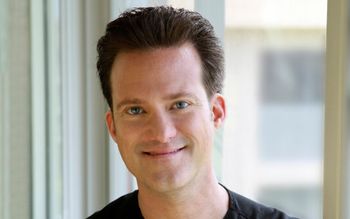
Alan J. Bauman, M.D., and other hair experts offer advice to help guide providers on developing an optimal PRP process.

In her research, Amelia K. Hausauer, M.D., has found that treating hair restoration patients with PRP results in hair regrowth and an increase in hair shaft thickness, but she emphasizes the need for setting realistic patient expectations.

First-line therapies for hair loss include topicals and supplements, while PRP, low-level light treatment and hair transplantation are adjuncts to first-line options for hair loss, according to Valerie D. Callender, M.D.

PRP is a revolutionary hair restoration therapy for some patients, but experts say there are still limitations and unknowns.

Plasma is said to have the benefits of CO2 resurfacing with the safety profile of non-ablative laser treatments. Could it be the holy grail of nonsurgical skin tightening?