Articles by Morgan Petronelli

ICYMI, some of the content featured this week includes a video series on dermatologic care during COVID-19 and how the pandemic could be a catalyst for expansion into underserved populations, a look at when is the best time for follow-ups with patients after Mohs surgery, a deeper look at the new “clean” cosmetics trend, plus more.

A recent study from the University of Missouri School of Medicine investigates when is the best time to make post-operative phone calls to patients following Mohs micrographic surgeries.

Menlo Therapeutics has officially changed its name to VYNE Therapeutics.

Castle Biosciences announces the launch of DecisionDx-SCC, a prognostic gene expression profile test for patients with high-risk cutaneous squamous cell carcinoma (cSCC).

A study recently published in the Journal of the American Academy of Dermatology reveals patients with chronic inflammatory skin diseases also have an increased risk for herpes zoster (shingles), which has the possibility to lead to extended hospitalizations.
This week’s edition of The Mainstream Patient features stories about the difference between cold sores and acne, glycerin in skincare, psoriasis and its effect on mental health, how to avoid tech neck, plus more.
ICYMI, some of the content featured this week includes articles about a new adapalene gel for acne vulgaris, if preservatives like parabens are actually safe in cosmetics, characteristics that can help distinguish facial hyperpigmentation disorders, valuable information about vitiligo treatment with expert Seemal R. Desai, M.D., FAAD, plus more.

In this episode, UIC medical students Kayla Clark and Gina Alvarado Jones, along with UIC Dermatology Department Head Maria Tsoukas, M.D. Ph.D., discuss their recently published analysis in JAAD, which takes a look at skin of color representation in medical education.

MC2 Therapeutics and EPI Health announce they have entered into a collaboration agreement for the commercialization of calcipotriene and betamethasone dipropionate, w/w 0.005%/0.064% (Wynzora Cream), a newly U.S. FDA-approved topical treatment for plaque psoriasis in adults.

Alembic Pharmaceuticals announces the launch of their bioequivalent and therapeutically equivalent product to Differin Gel 0.3% (Galderma), Adapalene Gel USP 0.3%, a topical retinoid for the treatment of acne vulgaris in patients 12 years and older.
This week’s edition of The Mainstream Patient features stories about a newly approved acne treatment, strawberry legs, coconut oil in skincare, if your acne might possibly be rosacea, plus more
ICYMI, some of the content featured this week includes articles about emerging options for high-risk melanoma, a new FDA-approved topical androgen receptor inhibitor for treatment of acne vulgaris, a glimpse into the world of vitiligo treatment with expert Seemal R. Desai, M.D., FAAD, plus more.
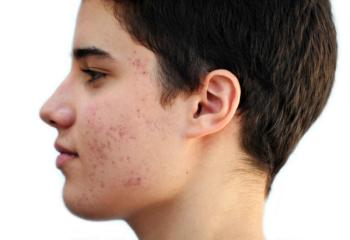
Clascoterone cream 1% (Winlevi, Cassiopea), a first-in-class androgen receptor inhibitor, has been approved by the U.S. FDA for treatment of acne vulgaris in patients 12 years and older.
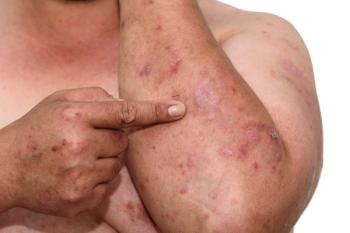
Dermavant announces positive results from its two identical phase 3 trials investigating tapinarof cream 1% for treatment of plaque psoriasis in adult patients.

Eli Lilly’s mirikizumab demonstrates superiority over secukinumab (Cosentyx, Novartis) as a treatment for moderate-to-severe plaque psoriasis, according to recently released results from the OASIS-2 study.
This week’s edition of The Mainstream Patient features stories about viral exfoliating body washcloths, hyaluronic acid, wearing sunscreen with a mask, body acne, plus more.
ICYMI, some of the content featured this week includes a new episode of our podcast on how to become a pediatric dermatologist, tape strips that can detect psoriasis and eczema biomarkers, latest results of a phase 2b trial investigating phosphodiesterase for psoriasis, skin findings in patients with COVID-19, plus more.

The International Society of Hair Restoration Surgery (ISHRS) has decided to move their 2020 world congress online, taking place Oct. 17-25. The world congress was initially supposed to be held in person in Panama.
This episode discusses how to become a pediatric dermatologist, including the associated benefits, compensation and responsibilities with Heather Brandling-Bennett, M.D.

BIOTOC, a noninvasive alternative to injectables skincare line from k-beauty company Dermafirm Inc., has launched in the U.S.
This week’s edition of The Mainstream Patient features stories about hair loss and COVID-19, natural deodorant rashes, cortisone shots for acne, CVS removing octinoxate and oxybenzone from its store-brand sunscreens, plus more.
ICYMI, some of the content featured this week includes combination treatments for keloids, inflammatory pathways involved in rosacea pathogenesis, using smartphones to improve GEA scale assessment in patients with darker skin types, the use of artificial intelligence for evaluating acne severity, plus more.

AbbVie announces the launch of their hidradenitis suppurativa-centered educational website aimed at bringing awareness and educating physicians on the disease.

A Danish dermatology company releases their new HIFU device, TOOsonix System ONE-M, for treatment of color-independent tattoo removal, spider veins, lentigines, telangiectasia, angiomas and various other aesthetic conditions.
This week’s edition of The Mainstream Patient features stories about sun protection myths, hand sanitizer-induced eczema, at-home dermaplaning, anti-stress skincare, plus more.
ICYMI, this week we featured a new episode of The Cutaneous Connection, a hyperspectral technology company helping to investigate COVID-19-related skin findings, cannabinoid-containing products and their effects on prescription medications, plus more.

The U.S. Food and Drug Administration has approved IL-12/IL-23 inhibitor ustekinumab (Stelara, Janssen Pharmaceutical Companies of Johnson & Johnson) for treatment of moderate-to-severe plaque psoriasis in pediatric patients 6-11 years.

Hyperspectral imaging company, HinaLea Imaging, is using their technology to study the skin manifestations of critical COVID-19 patients to help identify the prognostic value of these skin symptoms.
This episode dives into emerging research regarding probiotics specifically tailored to treat psoriasis and possibly other inflammatory skin diseases.

Researchers have identified and developed lists of medications that may not function properly due to concomitant cannabinoid use in an effort to help medical professionals prescribe prescription drugs safely to their patients.

