


Unlike other psychological comorbidities, sexual dysfunction is a little explored field within AD.
Ilya Petrou, MD, is a contributing writer for Dermatology Times.
Unlike other psychological comorbidities, sexual dysfunction is a little explored field within AD.
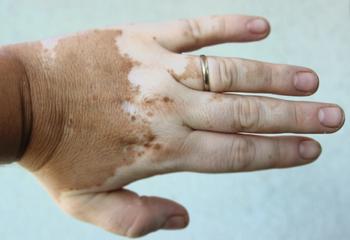
Vitiligo is challenging to treat; fortunately, continued research has led to improvements and refinements in options, giving much-needed hope to patients with this skin condition.


Specific genetic variations could be key in identifying acne risk far before the signs arise.

New and exciting topical and oral therapies for psoriasis have changed the way dermatologists treat and manage their psoriasis patients.
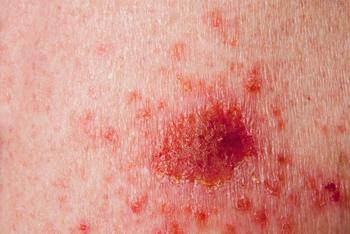
Mono- and combination therapies offer choices for treatments that clear skin with fewer adverse effects.

Patients suffering from a wide range of dermatologic diseases can benefit from the new and exciting therapies and treatment modalities that have recently become available.
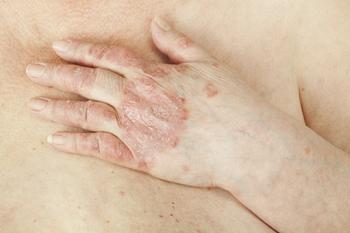
Neal Bhatia, MD, highlights the most exciting new drugs and therapies in atopic dermatitis and psoriasis in his presentation at the current Maui Derm for Dermatologists meeting.

Patients suffering from several dermatologic diseases and conditions including acne, rosacea, and pruritus can largely benefit from the new and exciting therapies and treatment modalities that have recently become available.

Treatments awaiting FDA approval could bolster the range of nonsteroids and well-tolerated topicals aimed at combating pediatric cutaneous disorders.

Patch testing can prove very useful in patients with suspected sensitization to a variety of allergens contained in personal care products and orthopedic implants.

Involving patients with atopic dermatitis in decisions about developing their treatment plan can lead to improved treatment outcomes and higher satisfaction, the American College of Allergy, Asthma & Immunology (ACAAI) medical director said in a luncheon presentation at the college’s 2021 Annual Scientific Symposium.

There are several fine nuances and differences in the presentation of atopic dermatitis in patients with skin of color that differ from the presentation seen in patients with lighter skin types. As such, clinicians should be aware of these differences to improve the treatment and management of AD in patients with skin of color.

Although JAK inhibitors have shown efficacy in treating challenging conditions, federal regulators continue their safety reviews.
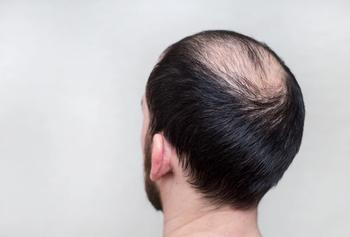
More options are available to address alopecia, but not all are backed by equally solid science. Strategies for choosing and using new treatments and procedures for full-cycle hair loss management were highlighted at the Music City Symposium for Cosmetic Advances & Laser Education 16th Annual Meeting.
More options are available to address alopecia, but not all are backed by equally solid science. Strategies for choosing and using new treatments and procedures for full-cycle hair loss management were highlighted at the Music City Symposium for Cosmetic Advances & Laser Education 16th Annual Meeting.

There are an increasing number of novel immunotherapies available for patients with skin cancer, however, their numerous adverse events must be addressed.

The development and implementation of quality improvement (QI) programs can positively impact patient care and outcomes. As such, it behooves physicians to research and implement QI practice initiatives and measures in their practice.

Due to the multimorbid nature of the disease, clinicians must screen, monitor, and aggressively treat the associated comorbidities.

Biologic therapy has proven very useful in treating an increasing number of dermatologic diseases and conditions. However, caution is warranted for patients with chronic infectious diseases.

Study results reveal that nanosecond pulsed electric field therapy alters the C. acnes biofilm to enable better treatment penetration.

Nonprescription moisturizers and cleansers can play an integral role in delivering positive treatment outcomes for patients with rosacea.
Novel biologics are moving into off-label indications to expand the dermatologic armamentarium for a broad range of inflammatory skin diseases.

Recent therapeutic advances in topical and systemic therapy offer new options for cases that have not responded to established treatment approaches.

Microneedling with or without radiofrequency energy has become a very popular cosmetic procedure. Understanding the science behind these versatile devices can help clinicians better harness their therapeutic potential and ensure positive treatment outcomes in their patients.

Futuristic tools including robotics and new types of lasers are just some of the therapeutic innovations aimed at slowing hair loss and increasing hair growth.
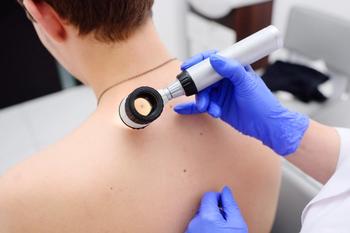
Treatment pairing dabrafenib and trametinib could have expanded benefits for patients with melanoma.
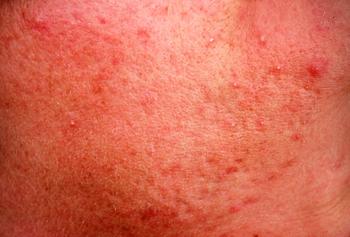
This formulation could be first FDA-approved single-agent E-BPO prescription drug to treat rosacea.
Taking the polar opposite of a one-size-fits-all approach, clinicians now factor in a patient’s genetic profile, medical history, microbiome composition, lifestyle, and diet, among other parameters, otherwise known as precision medicine.

Patients with rosacea can get better results by supplementing standard minocycline oral therapy with γ-linolenic acid (GLA), according to findings from a recent study.