


Researchers found that patients who initiated gender-affirming hormone therapy with testosterone were more likely to experience a worsening of their HS symptoms.
Ilya Petrou, MD, is a contributing writer for Dermatology Times.
Researchers found that patients who initiated gender-affirming hormone therapy with testosterone were more likely to experience a worsening of their HS symptoms.
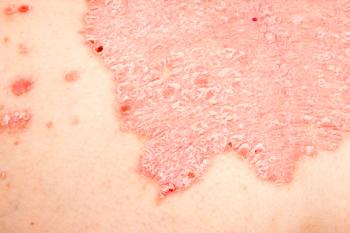
Study authors hypothesize that a monoclonal blockade of pathogenic T cells may induce expansion of regulatory immune cells subsets or expression of cytokines involved in skin homeostasis.
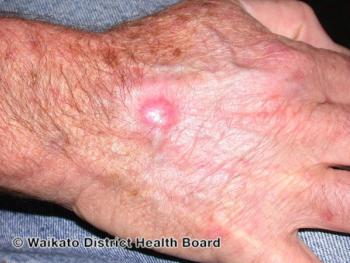
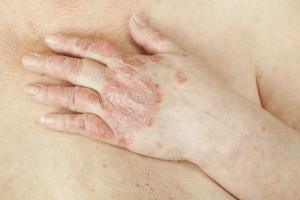
Surgical removal techniques including Mohs surgery and excisional surgery are preferred treatment approach when addressing BCCs, particularly on the hands.
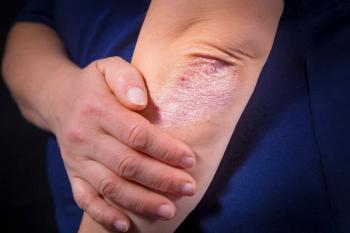
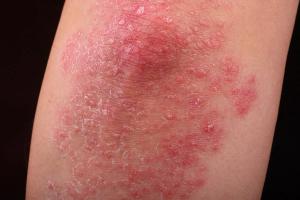
This Psoriasis Awareness Month, Dermatology Times is looking back at the treatment and research landscape of 2023.

Recent advancements in the understanding of epidermolysis bullosa have resulted in a fine-tuning of the classification of the disease group as well as the development of new possible therapies.

Quality of life is impacted far beyond the physical challenges for those with oculocutaneous albinism.
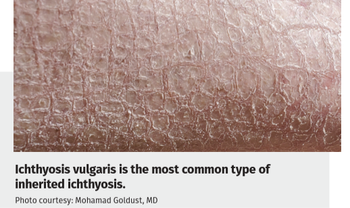
Research and ongoing clinical trials are giving some hope to those with ichthyosis but for now most people manage their disease symptomatically.

April is National Rosacea Month. Recent data has indicated a correlation between rosacea and certain cardiovascular, neurologic, endocrine, and gastrointestinal disorders. Steve Daveluy, MD, FAAD shares insight on that, plus several new and exciting therapies available.
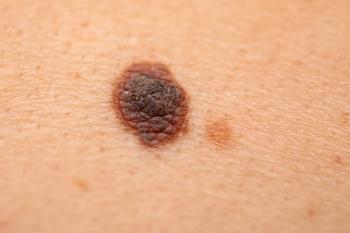
The PD-1 inhibitor pembrolizumab has proven its efficacy in a number of different cancers.

The use of tanning beds has become a popular practice in society today, however, it remains undisputed that ultraviolet radiation from natural sunlight and indoor tanning machines increases an individual’s risk of developing skin cancer.

Can dietary modifications really improve dermatological conditions?

Clinicians should strive to address the unique medical and aesthetic challenges seen in vitiligo.

Recent research highlighted the important role of the skin’s microbiota in maintaining the homeostasis of the skin and the potential role the human microbiota may play in the development of skin cancer.
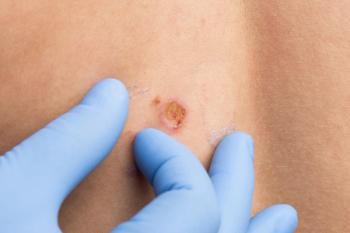
Merkel cell carcinoma is a rare but highly aggressive type of nonmelanoma skin cancer and Merkel cell polyomavirus is thought to play a major role in its etiology.

Dermatologists have long warned tan seekers about the detrimental effects of ultraviolet exposure and tanning beds, strongly discouraging their use; nasal tanning sprays are no different.

The long-believed causal association between inflammatory bowel disease and both psoriasis and psoriatic arthritis has been recently confirmed.

Whether occurring in the adult or pediatric population, the diagnosis of blastic plasmacytoid dendritic cell neoplasm is challenging to make and carries a poor prognosis.

Vinegar has an antibiotic and antioxidant effect that has been used in dermatology and medicine for ages.

Recent, continued research in genetic profiling has made personalized medicine more of a reality and brought the concept a step closer to potential regular use in general dermatology practice.

The use of laser-assisted drug delivery (LADD) is gaining momentum as the novel technique enables a more efficient delivery of drug to the lesion.
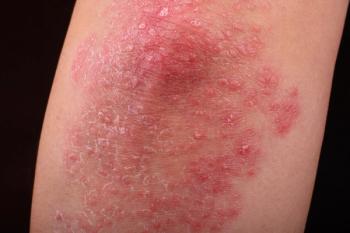
Continued research and development are resulting in exciting new treatment options for major dermatological conditions.

Thorough history taking is essential during the consultation and can help clinicians rule out other potential differential diagnoses.

Dermatology experts discuss atopic dermatitis treatment in skin of color patients in this DermView series recap.

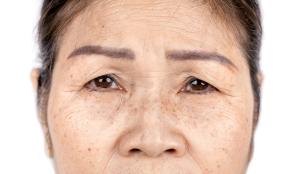
Pigmentary disorders of the skin can be the cause of significant psychological distress in affected patients.

Approval of a novel oral JAK inhibitor specifically indicated for this challenging condition fills a long unmet need.

A better understanding of this atopic diathesis and the atopic march often seen in pediatric patients is necessary to optimally treat and manage the patient population, ideally in a multidisciplinary setting.

Dermatologists have to face down dermatologic diseases and conditions that test their skills in diagnosis, treatment, and management. One expert shares some interesting dermatology cases that may stump even the veteran dermatologist and how to find solutions.

A recent study showed that patients with atopic dermatitis have a higher prevalence of infertility, highlighting the need for clinicians to be wary of this increased risk and improve the care and management of this patient population.

This painful skin disease may lower the odds of live birth and trigger comorbidities.
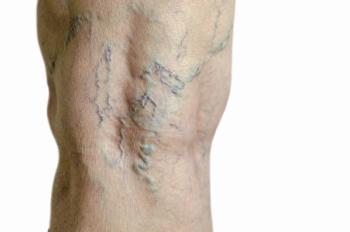
Patients with chronic inflammatory skin diseases do not have an increased risk of venous thromboembolism (VTE) compared to a matched healthy control cohort. This knowledge can be useful to clinicians when contemplating systemic immunomodulatory therapies in their dermatologic patients.

October 1st 2022

September 2nd 2021
January 24th 2022
June 24th 2022
November 7th 2021
January 25th 2022