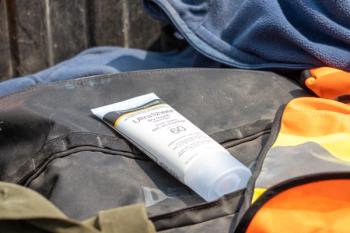
Two new Neutrogena facial sunscreens incorporate bemotrizinol, the first new sunscreen active ingredient added to the US OTC monograph in decades.
Explore the top headlines of the week, including insights on the latest clinical trials, therapeutic updates, and more.
To stay up to date with the latest dermatology news, sign up to receive our
Reported by Recludix Pharma, the company has begun dosing participants in a first-in-human phase 1 trial of REX-8756 (SAR448755), an oral small-molecule inhibitor of the STAT6 pathway being developed with Sanofi. The study follows the US FDA clearing the drug’s Investigational New Drug (IND) application in December 2025, allowing clinical testing to begin. The randomized, placebo-controlled trial will enroll about 100 healthy volunteers to evaluate safety, tolerability, and pharmacologic activity after the drug previously showed strong suppression of IL-4/IL-13–driven inflammation in preclinical models. STAT6 plays a central role in type 2 inflammatory diseases such as atopic dermatitis and chronic spontaneous urticaria, and the therapy is designed to provide biologic-like effects in an oral form. Initiation of the study also triggered a $20 million milestone payment to Recludix under the companies’ partnership.
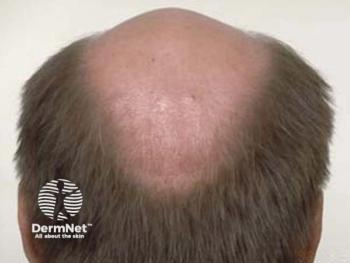
Cosmo Pharmaceuticals reported promising topline results from 2 large phase 3 trials evaluating clascoterone 5% topical solution for male androgenetic alopecia (AGA), potentially representing the first new treatment mechanism for the condition in over 30 years. The trials, SCALP 1 and SCALP 2, enrolled 1,465 men and assessed Target Area Hair Count and patient-reported outcomes, showing statistically significant hair growth improvements versus vehicle, with alignment between objective measures and patient perception. Clascoterone works via local androgen receptor inhibition at the follicle, minimizing systemic exposure and avoiding the hormonal side effects of oral treatments. Safety was favorable, with treatment-emergent adverse events similar to vehicle. If approved, the therapy could expand options for men seeking a mechanistically distinct, topical solution for AGA, with regulatory submissions planned following completion of 12-month safety follow-up in Spring 2026.
Mona Shahriari, MD, FAAD, highlights that achieving a 90% Psoriasis Area and Severity Index improvement at 52 weeks is transformative for adolescents, easing both physical and psychosocial burdens. She notes that oral, once-daily therapies may maintain these outcomes with less disruption than injections, though adherence and safety remain key considerations. Shahriari emphasizes that future research should assess growth, immune development, and patient-reported outcomes to guide personalized, long-term care strategies in adolescent psoriasis.
The multinational RWEAL study analyzed nearly 2000 adults with moderate to severe chronic hand eczema (CHE) across 6 countries, revealing a predominantly long-standing disease burden with high clinical heterogeneity and frequent multisite involvement. Most physicians relied on subjective clinical judgment rather than standardized severity scoring tools, and etiologies were diverse—most commonly irritant contact dermatitis, followed by atopic and allergic subtypes, with mixed causes seen in a notable minority. Many cases were occupationally related, and comorbid atopic conditions were common, although a substantial proportion had no other dermatologic diagnoses, underscoring CHE as a distinct entity. Overall, the findings highlight significant unmet needs, variability in real-world management, and the importance of more standardized, multidisciplinary approaches to care.
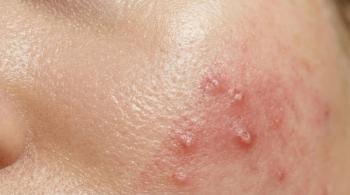
In this Dermatology Times DermView episode, Christopher Bunick, MD, PhD, and Benjamin Ungar, MD, discuss how seborrheic dermatitis (SD) arises from a multifactorial interplay of immune dysregulation, Malassezia yeast colonization, epidermal barrier dysfunction, and sebaceous gland activity. Exaggerated inflammatory responses, lipid-rich environments, and barrier defects drive erythema, scaling, and pruritus, accounting for SD’s chronic, relapsing nature. Understanding these mechanisms supports more targeted, non-steroidal treatments and informs future clinical strategies. The next episode will focus on differentiating SD from other inflammatory dermatoses and the role of Th17/Th22 pathways in guiding therapy.