


Opinion|Videos|September 29, 2025
Therapeutic Cross-Utility and Future Directions for Seborrheic Dermatitis
Author(s)Raj Chovatiya, MD, PhD, MSCI
A panelist highlights emerging therapies such as phosphodiesterase-4 (PDE4) and topical Janus kinase (JAK) inhibitors that target shared inflammatory pathways across skin diseases, emphasizing their potential to simplify and improve seborrheic dermatitis management with safer, more convenient options and a promising pipeline of treatments on the horizon.
Advertisement
Episodes in this series
Emerging therapies such as PDE4 inhibitors and topical JAK inhibitors show promising potential to treat multiple inflammatory skin diseases, including seborrheic dermatitis, psoriasis, and atopic dermatitis. These treatments could simplify management by targeting shared underlying mechanisms across conditions, reducing the need for multiple medications and allowing easier, safer application, especially in sensitive areas where high-potency steroids are less desirable.
For seborrheic dermatitis, which often overlaps or mimics other skin diseases, these novel agents offer hope for improved efficacy and convenience. The recent approval of treatments such as the PDE4 inhibitor roflumilast film marks a significant advance, highlighting how clinical research and understanding of disease mechanisms have transformed management of a condition once considered minor or anecdotal.
Looking forward, the pipeline for topical and possibly systemic treatments is expanding, reflecting growing recognition of seborrheic dermatitis’ prevalence and clinical importance. This evolving landscape is exciting and may lead to more effective, patient-friendly options over the next decade.
Advertisement
Related to this article

A retrospective claims analysis of 2897 matched pairs found hazard ratios of 0.48 to 0.67 for new atopic disease with dupilumab vs systemic corticosteroids in children.
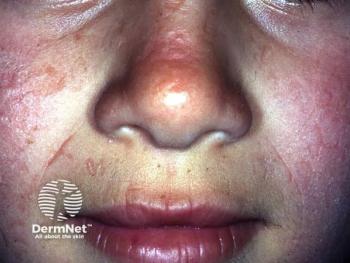
Disc Medicine reports the phase 3 APOLLO trial met all primary and secondary end points, with whole-blood PPIX reduced 41.4% vs placebo and an NDA resubmission planned by end of 2026.

Castor oil has become a popular social media remedy for thicker, longer hair, but evidence supporting its ability to stimulate hair growth remains limited.
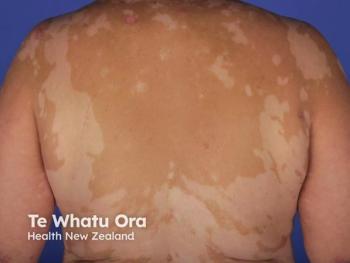
The FDA clearance allows Edesa to expand an ongoing placebo-controlled study of the CXCL10 antibody EB06 to US sites, with topline data expected in the fourth quarter of 2027.

The novel oral helicase-primase inhibitor demonstrated significantly higher rates of complete lesion healing compared with investigator’s choice treatment in the phase 3 PRIOH-1 trial.
Prospective data suggest DecisionDx-Melanoma may help refine SLNB decisions and identify recurrence risk beyond conventional staging.

Falk G. Bechara, MD, discusses long-term tunnel control, structural damage, and the evolving role of biologics and surgery in HS care.
Galderma has agreed to acquire ZO Skin Health for $1.5 billion, adding the physician-dispensed skincare brand to a portfolio that already includes Cetaphil and Alastin.
Advertisement
Advertisement
Trending on Dermatology Times
1
Bitopertin Meets All End Points in Phase 3 APOLLO Trial for EPP
2
Social Media Mythbusters: Can Castor Oil Really Grow Hair?
3
EADV 2026 Atopic Dermatitis Highlights: Tilrekimig, RAC2 Inhibition, and Level Up Data
4
Dupilumab Associated With Lower Atopic March Risk in Pediatric Atopic Dermatitis
5