Now Playing
A panelist discusses the diverse clinical presentation and complex pathophysiology of seborrheic dermatitis, emphasizing the need for individualized, location-specific treatment strategies and highlighting how emerging therapies may help address overlapping features with other chronic inflammatory skin conditions.
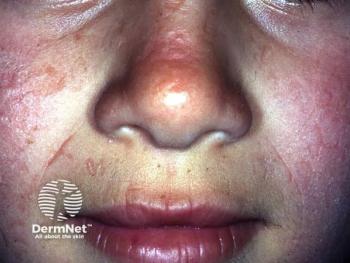
Seborrheic dermatitis is a common inflammatory skin condition that affects approximately 5% of the global population. It occurs across a wide age range with 3 notable peaks: infancy (commonly referred to as cradle cap), adolescence, and adulthood. The condition affects male and female patients equally and can present differently among individuals. While scalp involvement is typical, patients may also experience symptoms on the face, chest, intertriginous areas, or even in the absence of scalp symptoms. Diagnosis can be complicated by the variability in presentation, including differing levels of itch and visible scale, ranging from fine flaking to greasy plaques with erythema.
Management of seborrheic dermatitis is primarily topical, but treatment decisions must consider location, severity, and patient adherence. Certain vehicles, such as creams or ointments, may be less effective or desirable in hair-bearing areas due to their greasiness or difficulty in application. Foam or shampoo-based formulations may be better suited for scalp involvement, especially when ease of use and cosmetic acceptability are important. Treatment selection is also influenced by personal hygiene routines, such as frequency of hair washing, which can impact the feasibility of certain therapies.
The pathogenesis of seborrheic dermatitis is complex and may share features with other chronic inflammatory skin conditions such as psoriasis and atopic dermatitis. It involves elements of barrier dysfunction and immune dysregulation, possibly explaining the clinical overlap seen in some patients. Despite these similarities, recent analyses suggest these are distinct entities. Accurate diagnosis relies on a combination of symptom history, chronicity, lesion appearance, and distribution. While differentiating seborrheic dermatitis from similar conditions is important, emerging therapies that target overlapping pathways may eventually simplify treatment by addressing multiple conditions simultaneously. Ultimately, effective management hinges on recognizing the broad spectrum of presentation and tailoring treatment to each patient’s specific needs.