


Opinion|Videos|April 4, 2025
Selecting and Dosing IL-17 Inhibitors in Psoriasis
Panelists discuss how IL-17 inhibitors are considered for plaque psoriasis based on disease severity, comorbidities, and patient preference. Selection factors include efficacy, safety, access, and cost. Clinical trial data guide choices, but real-world factors impact use. Dosing varies: secukinumab (300 mg weekly for 5 weeks, then monthly), ixekizumab (160 mg at week 0, then 80 mg biweekly for 12 weeks, then monthly), brodalumab (210 mg weekly for 3 weeks, then biweekly), and bimekizumab (320 mg every 4 weeks for 16 weeks, then every 8 weeks). Dosing and device options influence prescribing decisions.
Advertisement
Episodes in this series

Video content above is prompted by the following:
- How do you decide if an IL-17 inhibitor is an appropriate therapeutic option for a patient with plaque psoriasis? What patient factors do you take into consideration?
- What factors impact selection of an IL-17 inhibitor for a patient?
- How does IL-17 clinical trial data affect your treatment decisions vs real-world factors (access, cost, etc)?
- Describe the differences in dosing for the IL-17 inhibitors in psoriasis. Do dosing considerations influence your clinical decision-making when prescribing these agents?
- Secukinumab: 300 mg weekly for 5 weeks and then monthly thereafter; option for 150 mg dose in some patients and 2 different device types
- Ixekizumab: 160 mg (2 80 mg injections) at week 0, 80 mg every 2 weeks for weeks 2 to 12 and then 80 mg monthly thereafter; 2 different device types
- Brodalumab: 210 mg weekly for 3 weeks and then every 2 weeks thereafter
- Bimekizumab: 320 mg every 4 weeks for 16 weeks and then every 8 weeks thereafter; consider continuing 320 mg every 4 weeks for patients weighing over 120 kg; 2 different device types in 160 mg or 320 mg doses
Advertisement
Related to this article
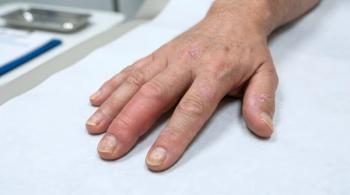
BE BOLD Week 24 data show sustained numerical advantages in joint responses with bimekizumab versus risankizumab in active psoriatic arthritis.

Doral Fredericks, PharmD, MBA, discusses how life stages, mental health, and reproductive concerns can shape dermatologic care for women.
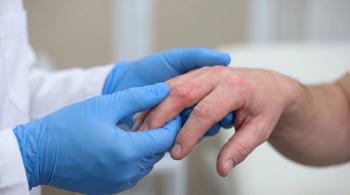
The approval expands the IL-23 inhibitor’s indications beyond moderate-to-severe plaque psoriasis to include adults with active psoriatic arthritis.
Updated SKYRIZI labeling allows clinicians to use clinical judgment when determining the need for TB evaluation before treatment.

Experts outline how to recognize undertreated psoriasis, assess incomplete response, and make individualized decisions when escalating therapy.
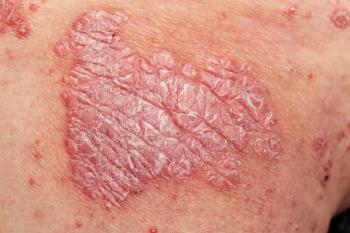
ORKA-001 achieved PASI 100 in 61% of high-dose patients at week 16 in the phase 2b EVERLAST-B trial of moderate-to-severe psoriasis.
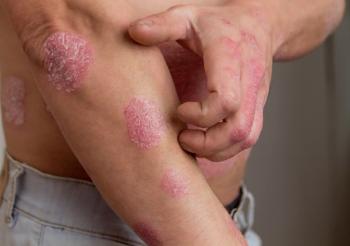
Tina Bhutani-Jacques, MD, explored how disease location, prior treatment response, and patient preference shape topical treatment decisions across 3 plaque psoriasis cases.

Two-year oral IL-23 data, GLP-1 biomarker findings, and a nonsurgical option for superficial basal cell carcinoma headline the sessions covered in Las Vegas.
Advertisement
Advertisement
Trending on Dermatology Times
1
Don't Be Rash: Navigating Topical Steroid Withdrawal Concerns in Pediatric Eczema
2
AADA Warns of 6% Medicare Payment Cut for Dermatologists in 2027
3
ATTO-1310 Reduces Itch at Week 12 in Chronic Pruritus and Atopic Dermatitis
4
Where Patients With Alopecia Areata Fit on the Path to Systemic Treatment
5