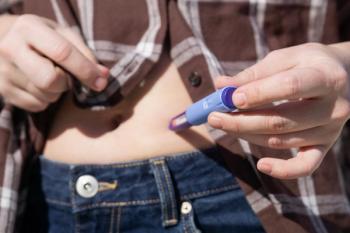
Both barzolvolimab doses improved UAS7 at week 12 in EMBARQ-CSU1 and EMBARQ-CSU2, with up to 54% of patients reaching complete response by week 24.
The FDA expands their list of hand sanitizers found to contain methanol, a toxic chemical, which, when absorbed through the skin or ingested, can lead to adverse events.
The U.S Food and Drug Administration (FDA) has reported a sharp uptick in hand sanitizers containing methanol and is urging the public to be vigilant of the ingredients in their hand sanitizers.
The agency initially issued a warning at the beginning of July, listing a handful of hand sanitizer manufacturers whose products had been tested by the FDA and found to contain the toxic substance.
Methanol, or wood alcohol, is a chemical found in antifreeze and fuel. When used as an active ingredient and absorbed through the skin or ingested, the substance can be toxic or life-threatening.
As previously reported by
MORE:
“All Americans should practice good hand hygiene, which includes using alcohol-based hand sanitizer if soap and water are not readily available,” says Stephen M. Hahn, M.D., commissioner of the FDA, in a previous warning about toxic hand sanitizers. “Unfortunately, there are some companies taking advantage of the increased usage of hand sanitizer during the coronavirus pandemic and putting lives at risk by selling products with dangerous and unacceptable ingredients. Consumers and health care providers should not use methanol-containing hand sanitizers.”
A full list of products the FDA recommends the public to avoid can be found
The FDA is also encouraging the public to report any side effects or adverse events in relation to use of hand sanitizers by submitting an online form, which can be downloaded
References:
Commissioner, O. (2020, July 27). Coronavirus (COVID-19) Update: FDA Reiterates Warning About Dangerous Alcohol-Based Hand Sanitizers Containing Methanol, Takes Additional Action to Address Concerning Products. Retrieved July 29, 2020, from https://www.fda.gov/news-events/press-announcements/coronavirus-covid-19-update-fda-reiterates-warning-about-dangerous-alcohol-based-hand-sanitizers