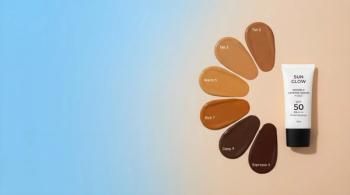
Though convenient, SPF-infused cosmetics rarely deliver their labeled protection level in real-world use, underscoring the continued need for a dedicated broad-spectrum sunscreen as the foundation of any routine.
Radiofrequency-assisted microneedling reduced both inflammatory and non-inflammatory lesions while promoting neocollagenesis and downregulating pro-inflammatory mediators.
Chemical peels, light-based devices, and radiofrequency microneedling are earning a more defined role in acne vulgaris management — not as replacements for pharmacologic therapy, but as clinically validated complements to it, according to a
The review, which drew from literature indexed in PubMed, Web of Science, and Scopus, evaluated chemical peels, mechanical peels, light-based therapies, and radiofrequency-assisted microneedling in patients with acne vulgaris. Authors emphasized that patient-specific factors — including skin phototype, acne phenotype, and individual preferences — should guide procedural selection alongside guideline-directed pharmacotherapy.
A key framing point of the review is the well-documented gap between guideline recommendations and real-world treatment persistence. Survival analysis data cited by the authors found that the median duration of topical therapy use in moderate acne was just 2 months, with a 50% probability of discontinuation by 3 months — most commonly due to perceived ineffectiveness and tolerability concerns. A large cross-sectional survey found adherence in only one-third of patients, with many preferring combined approaches that include procedural modalities.
With this in mind, the authors argue that adjunctive procedural interventions may support real-world treatment engagement by offering options that better align with patient preferences and perceived efficacy.
Among the chemical peels reviewed, salicylic acid (30%) and glycolic acid demonstrated the strongest efficacy-to-safety ratio. Salicylic acid, a beta-hydroxy acid, offers anti-inflammatory and sebostatic properties in addition to comedolytic effects, making it particularly well-suited for comedonal acne — with reductions in non-inflammatory lesions reported up to 85%. Glycolic acid showed comparable utility, with effectiveness up to 80% in comedonal presentations.
Jessner's solution and trichloroacetic acid (TCA) at 25% carry a greater risk of complications, particularly post-inflammatory hyperpigmentation (PIH), and are used less frequently. The authors flag heightened caution in patients with Fitzpatrick phototypes IV–VI, noting that individuals with phototype VI carry more than a 5-fold increased risk of adverse effects compared to lower phototypes. Superficial peels at lower concentrations, combined with pre- and post-treatment photoprotection, are the recommended approach for higher-phototype patients.2
Microdermabrasion, the sole mechanical modality reviewed, uses controlled superficial exfoliation to improve skin texture and reduce blackheads — and may enhance penetration of topical agents into the epidermis. Its evidence base supports modest improvement in non-inflammatory lesions and minor acne scars, though the authors characterize its efficacy as a monotherapy as moderate. Notably, multicenter trial data cited in the review indicate the procedure is safe in patients on or recently completing isotretinoin, differentiating it from several other modalities with more restrictive post-isotretinoin windows.
The light therapy category covers the broadest range of devices, from blue and red light to PDT, IPL, Nd:YAG, and fractional CO2 lasers — each with a distinct mechanism and lesion target.
Blue light (~415 nm) and red light (~630 nm) activate porphyrins produced by Cutibacterium acnes, generating reactive oxygen species that selectively kill bacteria and reduce inflammation. Photodynamic therapy (PDT) with aminolevulinic acid (ALA) or methylaminolevulinate (MAL) extends this mechanism by targeting the sebaceous gland directly, reducing sebum production alongside bacterial burden. The authors note PDT also affects the broader skin microbiota, reducing both C. acnes and Staphylococcus epidermidis. Despite its efficacy — median reductions in inflammatory lesions of 40%–56% — PDT's clinical utility is limited by tolerability, particularly pain and burning.
Nd:YAG laser showed up to 83% lesion reduction across both inflammatory and non-inflammatory types, with favorable recurrence rates. Fractional CO2 laser demonstrated RCT-confirmed reductions in inflammatory lesions up to 88% and is also effective for acne scarring. The review also highlights emerging data on a 1726-nm laser designed for selective photothermolysis of sebaceous glands, with early clinical evidence suggesting meaningful lesion reduction and a predominantly mild adverse event profile.
Radiofrequency-assisted microneedling targets sebaceous glands directly through insulated needles delivering thermal energy into the dermis, reducing sebum production while promoting neocollagenesis and exerting anti-inflammatory effects via downregulation of IL-8 and NF-κB. The authors describe a favorable safety profile across skin phototypes — with appropriate caution for PIH risk — and note that therapeutic effects persist for several months. Compared with laser-based options, radiofrequency microneedling showed a lower recurrence rate in the evidence reviewed.
The review underscores that no single procedural modality fits all presentations. Comedonal acne responds best to chemical and mechanical peels; inflammatory lesions are better addressed through light-based or radiofrequency platforms. Across all modalities, patient qualification — including phototype assessment, contraindication screening, and isotretinoin timing — remains essential to safe and effective use. As procedural options expand and long-term efficacy data mature, their integration into individualized acne treatment plans appears increasingly well-supported.
References