

Opinion|Videos|November 18, 2026
CIndU Patient Demographics: Disease Duration, Diagnostic Delay, and Quality of Life
Trial participants had lived with CIndU for many years, often without optimal antihistamine use. Diagnostic delay and limited access to provocation testing help explain why patients cycle through providers.
"CIndU Patient Demographics: Disease Duration, Diagnostic Delay, and Quality of Life" takes up the question of who these patients are and why they wait so long for answers.
Dr. Dasilva begins with the baseline characteristics, noting that disease chronicity stood out. Cold urticaria patients had the longest histories, but symptomatic dermatographism and cholinergic patients also had many years of disease and substantial prior antihistamine use. He was surprised that not everyone had used antihistamines, suggesting some patients may not know these drugs can treat their condition. Dr. Finklea says the demographics match what dermatologists see in clinic: typically middle-aged women, with the exception of the cholinergic group, which skewed male and younger. She agrees that perhaps half of participants had been on antihistamines, and fewer than that had ever undergone up-titration, which highlights an opportunity to optimize standard therapy before moving on.
She describes the long duration of disease as remarkable but consistent with clinical experience. It takes about two years for people to reach the correct diagnosis of urticaria, and an estimated six providers are involved, so patients bounce around during those first years. Dr. Dasilva says this is improving over the last decade, but historically patients did not take photos or give clear histories, which made accurate diagnosis difficult. Dr. Finklea points out that most clinics lack provocation tests, so outside dermatographism and perhaps cold urticaria, diagnosis is hard. Clinics do not have exercise bikes, and improvising tests is challenging. Dr. Dasilva highlights the Dermatology Life Quality Index, which documents disease impact, and Dr. Finklea confirms the scores are high. She notes that clinicians increasingly administer quality-of-life indices in the office, which shows that practitioners are starting to listen to how patients experience their disease.
Our next episode, "Provocation Testing for CIndU: Bringing Trial Tools Into Clinical Practice," turns to whether the trial's design reflects the clinic and which test tools could realistically be used there.
Related to this article
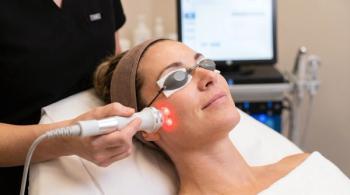
Bioelements and Celluma partnered to educate estheticians on integrating LED light therapy into customized facial treatments for acne and aging skin.

FDA implements updated iPLEDGE REMS requirements for isotretinoin, allowing at-home pregnancy testing and reducing prescription and counseling burdens.
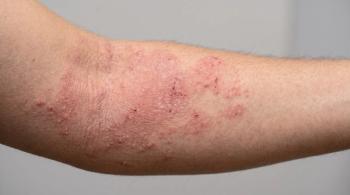
Bosakitug failed to meet primary and secondary endpoints in a phase 2 atopic dermatitis trial despite evidence of TSLP target engagement.

Recent dermatology research explores chronic hand eczema prevalence, cancer risk in morphea, pernio, biologic optimization in HS, and melanoma risk prediction.

Hypochlorous acid sprays are trending as a post-gym skin care essential, but can they actually prevent sweat-related breakouts?

Clinicians discuss how type 2 inflammation informs treatment decisions across AD, prurigo nodularis, CSU, and bullous pemphigoid.

A pediatric dermatologist explains how CALM count, size, age, and associated findings separate benign spots from neurofibromatosis type 1 and its mimics.

At a Dermatology Times Case-Based Roundtable, Vishal A. Patel, MD, led a discussion on treatment selection, tolerability, and individualized care for patients with advanced basal cell carcinoma.
Trending on Dermatology Times
1
FDA Implements Updated iPLEDGE REMS Requirements for Isotretinoin
2
Monitoring and Treatment Selection for Oral TYK2 Inhibitors in Psoriasis
3
Bioelements and Celluma Collaborate on LED Facial Treatments
4
Aclaris' Bosakitug Misses Phase 2 Endpoints in Atopic Dermatitis
5