


Opinion|Videos|October 16, 2026
CIndU Antihistamines: Why Second-Generation H1 Therapy Falls Short for Many
Second-generation H1 antihistamines remain first-line therapy, yet most patients do not reach control even at higher doses. The panel outlines where antihistamines work, where they stop working, and what that leaves unaddressed.
"CIndU Antihistamines: Why Second-Generation H1 Therapy Falls Short for Many" takes up the question of what standard antihistamine therapy can and cannot deliver.
Dr. Dasilva asks for Dr. Finklea's experience and opinions on first- and second-generation antihistamines in CIndU. Dr. Finklea explains that first-generation antihistamines are no longer part of the international expert consensus guidelines because they cause sedation and carry anticholinergic effects, so they should be avoided altogether. Second-generation H1 antihistamines are first-line therapy. They are usually well tolerated and inexpensive at standard once-daily dosing. However, they are effective only about 20% to 50% of the time, which means 50% to 80% of patients remain inadequately controlled. Even when clinicians up-titrate to four times the standard dose, only about 22% to 72% of patients respond, depending on the CIndU subtype. At those higher doses, dry mouth and dry eye begin to appear, and some sedation develops as the drugs start to cross the blood-brain barrier. Dr. Finklea identifies this as the heart of the treatment gap. Most patients are not controlled on antihistamines alone, despite the tolerability and low cost that make them the natural starting point.
Dr. Dasilva agrees and points out that antihistamines are familiar to patients because they are available over the counter. He cautions that easy access does not mean patients tolerate them well, since side effects can still be bothersome. He adds that colleagues, including allergists, hold differing opinions about which agent is most effective or least sedating. Opinions also differ on which is least likely to cross the blood-brain barrier, though in his view all of them can. Dr. Finklea responds that fexofenadine is the only one she believes never crosses the blood-brain barrier, while the others become sedating as the dose rises.
Our next episode, "CIndU Treatment Algorithm: Antihistamine Up-Titration and Unmet Needs," turns to how Dr. Finklea selects and up-titrates an antihistamine in practice and what comes after it.
Related to this article

The novel oral helicase-primase inhibitor demonstrated significantly higher rates of complete lesion healing compared with investigator’s choice treatment in the phase 3 PRIOH-1 trial.
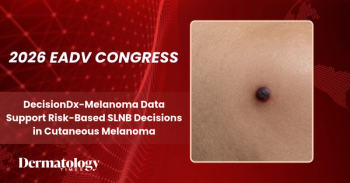
Prospective data suggest DecisionDx-Melanoma may help refine SLNB decisions and identify recurrence risk beyond conventional staging.

Falk G. Bechara, MD, discusses long-term tunnel control, structural damage, and the evolving role of biologics and surgery in HS care.
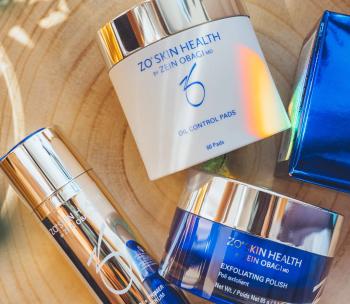
Galderma has agreed to acquire ZO Skin Health for $1.5 billion, adding the physician-dispensed skincare brand to a portfolio that already includes Cetaphil and Alastin.

New dermatology research explores hidden steroids in OTC products, infant eczema, melanoma prevention, cutaneous lymphoma, and pediatric AD.

SYX-5219 improved disease severity and itch in a Phase 1b trial of adults with moderate to severe atopic dermatitis.

In a survey of 301 employed adults, overall work impairment attributable to CHE was 31.8%, and quality of life worsened in step with self-reported disease severity.

An analysis of 633 skincare brands found gaps in evidence, safety information, and claim support, raising questions about what patients can verify online.
Trending on Dermatology Times
1
FDA Approves Pritelivir for Refractory Mucocutaneous HSV in Immunocompromised Adults
2
EADV 2026 Atopic Dermatitis Highlights: Tilrekimig, RAC2 Inhibition, and Level Up Data
3
Topical vs Oral JAK Inhibitors for Vitiligo: How to Choose as Systemic Options Advance
4
Q&A: Falk G. Bechara, MD, on Long-Term Tunnel Control and Structural Damage in HS
5