


Opinion|Videos|October 9, 2026
Living With CIndU: Patient Stories and the Hidden Quality-of-Life Toll
Behind each diagnosis is a patient whose work, recreation, and sense of normalcy have been quietly constrained. Personal accounts from both clinicians show why quality-of-life questions belong in every urticaria visit.
Advertisement
Episodes in this series
This episode, "Living With CIndU: Patient Stories and the Hidden Quality-of-Life Toll," finds both clinicians moving from data to the lived experience of patients, and of one of the panelists.
Dr. Dasilva begins with a case from a colleague who treated a 10-year-old with cold-induced urticaria using remibrutinib. The child had never been able to join friends at a water park, and the outing became what Dr. Dasilva calls the greatest day of his life. He observes that such experiences are hard to measure, because patients avoid cold exposure and so may appear to have no symptoms. He then describes an adult patient, a mounted police officer in Virginia Beach, who developed pressure-induced urticaria. The patient could not wear a bulletproof vest or other equipment, and sitting on a horse aggravated the problem, so he was out of work. Getting that career and sense of purpose back after treatment was a major turning point. Both physicians agree these stories go well beyond the burning, itching, and stinging usually discussed.
Dr. Finklea then shares her own history of cholinergic urticaria and CSU, which began at age 15. As a soccer goalkeeper, later at Wofford College, she and her family assumed she was allergic to her gloves and kept replacing them. Angioedema was her first presentation, and her disease is now primarily chronic spontaneous. She admits it can be embarrassing in clinic when she gets anxious and warm and hives appear, prompting patients to ask what is wrong with her. Dr. Dasilva relates this to his passion for treating pruritus, noting how a few bug bites derailed his own workday after a Caribbean trip. He urges clinicians to ask about quality of life and take patients seriously, since many assume nobody will care as much as they do.
Up next, in "CIndU Antihistamines: Why Second-Generation H1 Therapy Falls Short for Many," the experts turn to the role of first- and second-generation antihistamines and how well they actually control symptoms.Welcome back to another Dermatology Times Between The Lines series. In "CIndU Epidemiology: Prevalence, Subtypes, Diagnosis, and Quality-of-Life Burden," moderator Diego Ruiz Dasilva, MD is joined by Lindsey Finklea, MD to open the series on chronic inducible urticaria (CIndU).
Advertisement
Related to this article
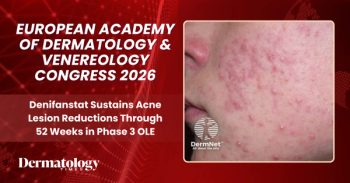
Treatment success reached 56.7% and total lesions fell 71.8% with up to 52 weeks of oral denifanstat, with no adverse event-related discontinuations.
Advertisement
Advertisement
Trending on Dermatology Times
1
Upadacitinib Shows Broader Inflammatory Effects and Earlier Skin Barrier Restoration Than Dupilumab in Atopic Dermatitis
2
FDA Approves Remibrutinib for Symptomatic Dermographism
3
Previewing the 2026 Fall Clinical Dermatology Conference
4
Biofrontera Submits sNDA to Expand Ameluz PDT for Actinic Keratoses Across the Body
5