


Opinion|Videos|October 23, 2026
CIndU Pathophysiology: Mast Cells, BTK Signaling, and Targeted Inhibition
Although the disease mechanism is not fully mapped, mast cell activation sits at its center, and the BTK pathway is where multiple routes converge. That convergence is the rationale for targeted inhibition.
Episodes in this series
"CIndU Pathophysiology: Mast Cells, BTK Signaling, and Targeted Inhibition" features Dr. Finklea breaking down the immunology that connects CIndU to a new therapeutic target.
Dr. Finklea explains that the pathophysiology of CIndU is not fully elucidated, but it appears to be primarily mast cell driven. Basophils, eosinophils, TH2 cells, B cells, and even peripheral nerves may also play a role. Mast cells are activated through two immune pathways. Type 1 is autoallergic, in which IgE cross-links with autoallergens such as IL-24, thyroid peroxidase, or double-stranded DNA and engages the high-affinity Fc epsilon receptor. That triggers signal transduction through Bruton tyrosine kinase and causes degranulation of histamine and pro-inflammatory cytokines, producing wheals, itch, and angioedema. Type 2B is autoimmune and IgG mediated, attacking the receptor or receptor-bound IgE without needing an autoallergen. Both pathways converge on BTK. She believes CIndU leans toward the type 1, IgE-mediated route. Her evidence includes responses to anti-IgE therapy, higher IgE levels, normal basophils, less CRP elevation, and fewer comorbid autoimmune conditions such as thyroid disease.
Subtypes add nuance. Cholinergic urticaria may involve adrenergic and cholinergic pathways, delayed pressure urticaria shows neutrophils in tissue, and symptomatic dermatographism involves the MRGPRX2 receptor and possibly the gut microbiome. Dr. Dasilva notes that varied pathways, cytokine profiles, and involved cells within each subtype explain why dermatologists rely on so much trial and error. He adds that no single therapy will work for everything, which makes convergence on BTK mechanistically interesting and explains the interest in studying remibrutinib in CIndU. Dr. Finklea describes remibrutinib as a highly selective BTK inhibitor acting downstream of the Fc epsilon receptor, so blocking this signal should prevent degranulation regardless of pathway. She finds it compelling that the REMIND study tested three clinically distinct forms: symptomatic dermatographism, cold urticaria, and cholinergic urticaria.
The next episode in this series, "CIndU Phase 3 REMIND Study Design and Provocation Testing Endpoints," features Dr. Dasilva and Dr. Finklea reviewing the REMIND trial design and how its provocation tests work.
Related to this article
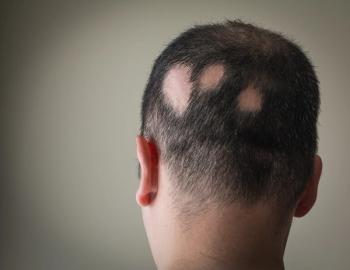
The September issue highlights advances in alopecia areata, cosmetic SPF, psoriasis treatment, teledermatology, and atopic dermatitis.

Phase 3 data show intismeran plus pembrolizumab reduced recurrence or death risk by 42% in patients with resected stage IIB-IV melanoma.

Shannon Trotter, DO, moderated a Dermatology Times Case-Based Roundtable event on how pharmacokinetics, adverse event timing, and trial response criteria should shape hedgehog pathway inhibitor selection in advanced BCC.
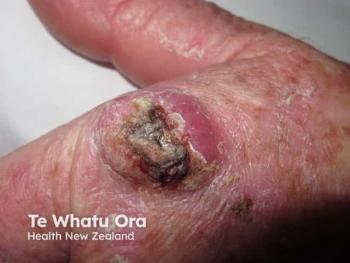
Cosibelimab-ipdl is now an NCCN Category 2A option for locally advanced CSCC in patients ineligible for curative surgery or radiation.

Lutikizumab significantly improved HiSCR75 response, pain, and disease flares in adults and adolescents with moderate to severe HS.

SPD 2026 highlighted advances in pediatric dermatology spanning textured hair care, vitiligo, vascular anomalies, mental health, genetics, and collaborative care.

The 3rd annual meeting in Atlanta gives dermatology NPs and PAs 4 case-based breakout sessions and a general education session in a focused, small-group setting.
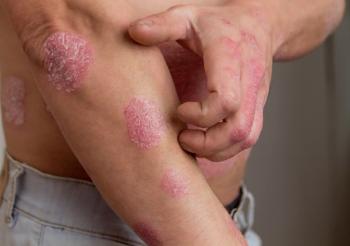
Tina Bhutani-Jacques, MD, explored how disease location, prior treatment response, and patient preference shape topical treatment decisions across 3 plaque psoriasis cases.
Trending on Dermatology Times
1
Lutikizumab Meets Primary End Point in Phase 3 HS Trial
2
Dupilumab Associated With Lower Atopic March Risk in Pediatric Atopic Dermatitis
3
AAD, HS Foundation Issue First Joint Hidradenitis Suppurativa Guidelines
4
Tolerability and Response Criteria Guide Hedgehog Inhibitor Choice in Advanced BCC
5