

Opinion|Videos|November 12, 2026
CIndU Phase 3 REMIND Study Design and Provocation Testing Endpoints
REMIND tested a BTK inhibitor in three CIndU subtypes using objective, subtype-specific provocation tests. Understanding how each test works clarifies what a complete response actually means.
Episodes in this series
In "CIndU Phase 3 REMIND Study Design and Provocation Testing Endpoints," the panel turns to how the investigators defined and measured response.
Dr. Dasilva reviews the study design, inviting Dr. Finklea, an investigator and author, to add nuance. Participants were adults with CIndU for at least four months who remained symptomatic on background second-generation H1 antihistamines, which they continued throughout. Patients with symptomatic dermatographism were randomized one to one to remibrutinib 25 mg twice daily or placebo, and cold and cholinergic urticaria followed the same structure. The primary endpoint was at 12 weeks. The placebo-controlled period ran to 24 weeks, after which placebo patients could switch to remibrutinib with follow-up to 52 weeks. Dr. Dasilva notes the relatively small cohorts reflect rare disease processes, unlike a typical psoriasis or atopic dermatitis trial. He also points out that the four-month duration requirement differs from CSU, where shorter disease duration can qualify.
The panel then reviews the provocation tools. The FricTest is a comb-like device with prongs of varying length dragged along the skin. Entry required wheals from at least three of four prongs and an itch score of at least five after elicitation. The TempTest spans 4 to 44 degrees Celsius and works for heat or cold, with cold urticaria patients needing a value of 15 to qualify. For cholinergic urticaria, a stationary bike raises heart rate by 15 beats per minute every five minutes. The target is 90 beats above resting for 30 minutes, followed by a 30-minute wait. Dr. Finklea explains that hives may appear after exercise, and cold urticaria often appears during rewarming, possibly as proteins change conformation and become autoallergens. She adds that the mean baseline FricTest score was about 3.5, indicating severe disease, so a score of zero represents complete clearance.
Up next, in "CIndU Patient Demographics: Disease Duration, Diagnostic Delay, and Quality of Life," the experts discuss who was enrolled, how long they had suffered, and why diagnosis takes so long.
Related to this article

October brought FDA approvals in urticaria and HSV, new regulatory filings, and phase 3 advances in HS, psoriasis, and rare diseases.

Gaurav Singh, MD, explores how gene expression profiling may improve melanoma risk stratification, surveillance, and individualized care.

A 2026 study links Agent Orange exposure to higher odds of acral melanoma in US veterans, highlighting the importance of early detection.
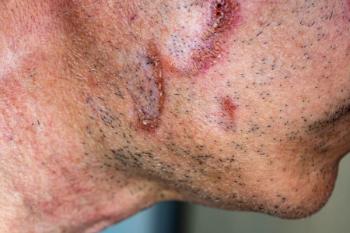
Phase 2 BEACON findings published in JAMA Dermatology demonstrate rapid improvements in disease activity and skin-related quality of life with oral brepocitinib.
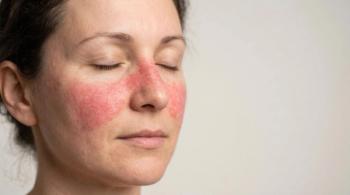
Phase 2 AMETHYST findings show continued improvements in skin redness and clinician- and patient-reported outcomes with litifilimab.

Phase 2/3 data show sustained hair growth and favorable safety outcomes with oral VDPHL01 in men with androgenetic alopecia.
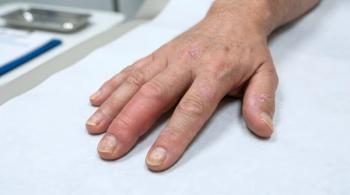
BE BOLD Week 24 data show sustained numerical advantages in joint responses with bimekizumab versus risankizumab in active psoriatic arthritis.

A single subcutaneous dose led to a 4-point or greater itch reduction in 82% of patients with chronic pruritus at week 12 vs 22% with placebo, Attovia reported.
Trending on Dermatology Times
1
Updated HS Guidelines Emphasize Biologics and Early Intervention
2
Veradermics Reports Sustained Hair Growth With VDPHL01 at 1 Year
3
Brepocitinib Clears Skin in 69% of Cutaneous Sarcoidosis Patients
4
PASI 100 Rates and Site-Specific Responses With Oral Psoriasis Therapies
5