
Opinion|Videos|November 17, 2026
Alopecia Areata Patient Advice: Treatment Decisions, Choosing a Specialist, and Self-Advocacy
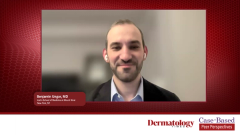
Author(s)Benjamin Ungar, MD
A patient shares what she asked before starting a JAK inhibitor and what she would tell others: research your specialist, advocate for yourself, and expect clinicians to explain the science clearly.
Advertisement
Episodes in this series
Dr. Ungar asks about Ms. Becker's experience since starting treatment. She has taken a JAK inhibitor consistently since December 2023. When therapy was first discussed, she wanted to understand the research on side effects, particularly which vital organs the drug might affect and how any problems would be managed. She also asked when the research was done, what percentage of participants had difficulties, and what future research looked like. Her questions extended to continued investment, whether philanthropic or from public companies, because that affects how long she can stay on treatment. Dr. Ungar says this concern is common, since the goal is to regrow hair and keep it.
Asked for advice, Ms. Becker tells patients to research whoever will treat them and not to take that decision lightly. She suggests that insurance often allows out-of-state care, so patients can seek a practitioner who is on the cutting edge of research, has published, and speaks respectfully. If questions are not answered, patients can actively choose someone else.
For clinicians, she says bedside manner is valuable but trust is a long relationship. She values receiving the latest information broken down clearly, availability, and a short answer followed by a longer one when she asks more scientific questions. She encourages patients to advocate for themselves even without the perfect questions, noting that alopecia advocates can help and that there are no dumb questions.
Thank you for watching this Dermatology Times Case-Based Peer Perspectives series on alopecia areata. Please subscribe to our eNewsletter for information on upcoming video series.
Advertisement
Related to this article

FDA implements updated iPLEDGE REMS requirements for isotretinoin, allowing at-home pregnancy testing and reducing prescription and counseling burdens.
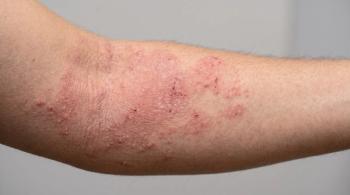
Bosakitug failed to meet primary and secondary endpoints in a phase 2 atopic dermatitis trial despite evidence of TSLP target engagement.

Recent dermatology research explores chronic hand eczema prevalence, cancer risk in morphea, pernio, biologic optimization in HS, and melanoma risk prediction.

Hypochlorous acid sprays are trending as a post-gym skin care essential, but can they actually prevent sweat-related breakouts?
Clinicians discuss how type 2 inflammation informs treatment decisions across AD, prurigo nodularis, CSU, and bullous pemphigoid.
A pediatric dermatologist explains how CALM count, size, age, and associated findings separate benign spots from neurofibromatosis type 1 and its mimics.

At a Dermatology Times Case-Based Roundtable, Vishal A. Patel, MD, led a discussion on treatment selection, tolerability, and individualized care for patients with advanced basal cell carcinoma.

Phase 3 OptIMMize-1 findings show sustained skin clearance, itch reduction, and quality-of-life improvements with risankizumab through 52 weeks.
Advertisement
Advertisement