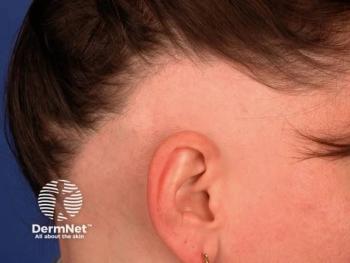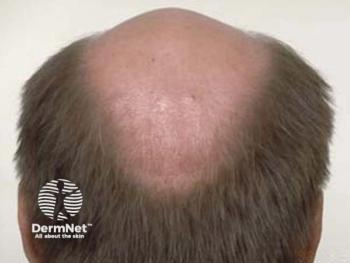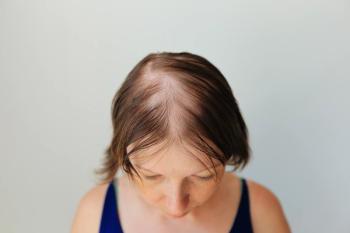
From emerging therapies to earlier intervention and psychosocial support, Dermatology Times looks back at key alopecia areata developments in 2026.
Review our content from the month of February that recognizes patients and clinicians with skin of color.
As Black History Month comes to a close, Dermatology Times wants to recognize the inspiring individuals who constantly contribute to our field. However, Black dermatologists and patients are still massively underrepresented in the community. Among active physicians, only 5% identify as Black, while only 3% of practicing dermatologists in the US identify as Black.1 Furthermore, the Association of American Medical Colleges recently reported that Black or African American students made up 10% of matriculants in 2022-23.2
Throughout the month of February, Dermatology Times highlighted timely research, clinical insights, and professional perspectives that underscore the vital contributions of Black clinicians, researchers, and patients to the field of dermatology. Below is a roundup of the pieces shared during Black History Month, capturing key developments and voices that continue to influence patient care and the future of the specialty. The end of February does not mean the end of celebrating those with skin of color; instead, it is a reminder to uplift Black voices always.
On February 4, La Roche-Posay announced a partnership with the Oncology Nursing Society (ONS) aimed at addressing a longstanding gap in dermatologic representation within oncology care. Aptly timed with World Cancer Day and Black History Month, the initiative centers on a grant from La Roche-Posay to fund the development of the first dedicated skin of color skin toxicity photo repository designed specifically for oncology nurses. The digital database will focus on how cancer treatment–related cutaneous toxicities present across a range of skin tones, with the goal of improving recognition, management, and patient safety.
"At La Roche-Posay, we believe that skin health should be equitable for everyone. It is our mission to support and improve the quality of life for all cancer patients. By partnering with the Oncology Nursing Society to build this repository, we are providing a functional, clinical solution tailored to the nursing workflow to ensure nurses have the resources to provide proper care for all patients with all skin types and tones," said Rachelle Mladjenovic, General Manager of La Roche-Posay, USA. "When we looked at the data, it was a clear call to action for the brand. Only a small fraction of medical materials had shown what these side effects look like on darker skin tones, and now with the integration of the Skin of Color Skin Toxicity Photo Repository within the ONS platform, we are proud to provide the best level of care for all cancer patients across all skin tones."
At
One of the central themes of Frey’s talk was that aging manifests differently across racial and ethnic groups. In patients with skin of color, dyspigmentation, often described by patients as “dullness” or uneven tone, is typically the earliest and most prominent sign of aging. Mottled hyperpigmentation, periorbital darkening, and textural irregularities often precede the etched fine lines and coarse wrinkling that dominate in lighter phototypes.
As February proceeds, we recognize 2 important observances: Black History Month and Rare Disease Day. Black History Month presents an opportunity to reflect on the significant contributions of Black clinicians, scientists, and researchers to dermatology, while also underscoring the ongoing responsibility to enhance care for patients with skin of color. Dermatology clinicians play a critical role in closing persistent gaps in equity and outcomes. Our February print issue highlights clinical insights into inflammatory conditions across diverse populations, emphasizing practical strategies for everyday practice.
Environmental exposures are increasingly recognized as important contributors to cancer risk. The authors of a recent analysis from the National Institutes of Health (NIH)–supported Sister Study frame the issue starkly, noting that “approximately 2 million incident cancer cases are estimated to occur in the United States in 2025,”and that “70% [to] 90% of lifetime cancer risk can be attributed to exogenous drivers such as environmental exposures.” Personal care products, including chemical hair straighteners and relaxers, have emerged as a focus of this concern due to their widespread use and repeated application over the life course.
This new publication builds on earlier work by the same investigative group, which previously reported associations between frequent hair straightener use and increased incidence of breast, ovarian, and uterine cancers.2 In the current analysis, the authors extend their inquiry to a range of nonreproductive malignancies, including pancreatic, thyroid, hematologic, colorectal, and kidney cancers. Although the findings suggest elevated risks for certain cancer types, the expert review highlights important methodological limitations that complicate clinical interpretation. Only ~8% of participants were Black, constraining race-stratified analyses despite higher exposure prevalence and raising concerns about generalizability to the most heavily exposed populations.
To celebrate Black History Month, Joni Jefferson, DO, met with Dermatology Times to reflect on her career journey as a board-certified family physician, aesthetic medicine leader, and CEO/Medical Director of Zen Aesthetics in Morristown, New Jersey, highlighting the rewards and challenges of practicing as a woman and physician of color in a field where representation remains limited.
Addressing misconceptions among patients with skin of color, Jefferson underscored that many aesthetic and dermatologic procedures are appropriate for all populations when selected and performed correctly. She highlights persistent gaps in awareness, particularly around energy-based devices such as lasers, noting that not all technologies are suitable for every skin type. Effective consultation, she explains, requires education, transparency, and normalization—reinforcing that aesthetic treatments are inclusive while also tailoring choices to individual skin biology. She stresses that dermatologists and aesthetic clinicians must be well-versed in device selection and risk mitigation to ensure safe and effective care for diverse patient populations.
References
1. El-Kashlan N, Alexis A. Disparities in Dermatology: A Reflection. J Clin Aesthet Dermatol. 2022;15(11):27-29.
2. Diversity Increases at Medical Schools in 2022. AAMC. Published December 13, 2022. Accessed February 26, 2026.