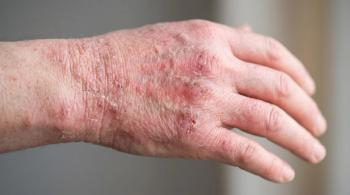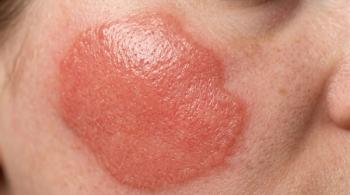
Phase 2 data presented at EADV 2026 showed daxdilimab significantly reduced disease activity and improved response rates in treatment-refractory DLE.
The FDA has granted Priority Review to brepocitinib's NDA for dermatomyositis, with a Q3 2026 PDUFA date that could make it the first drug specifically approved for this indication.
For clinicians who have long wrestled with the limitations of treating dermatomyositis — managing flares with escalating immunosuppression, watching patients accumulate steroid-related comorbidities, and cycling through off-label therapies with inconsistent results — the
Published in the
“Brepocitinib, a unique JAK1/TYK2 selective JAK inhibitor, has demonstrated high efficacy and safety in the treatment of dermatomyositis. The phase 3 data reported establishes Brepocitinib as a transformational therapy in the rheumatology/dermatology space, expanding the therapeutic options available to clinicians caring for dermatomyositis patients,” said Christopher Bunick, MD, PhD, associate professor of dermatology at Yale School of Medicine and Dermatology Times’ editor in chief.
VALOR enrolled 241 adults across 90 sites in 20 countries between October 2022 and June 2024. Participants were randomized 1:1:1 to brepocitinib 30 mg, brepocitinib 15 mg, or placebo once daily for 52 weeks, with standard background therapies continued and a structured corticosteroid taper built into the protocol.
Critically, this was not a carefully curated population selected for trial success. More than 80% had moderate to severe disease by physician global assessment. Nearly 15% had a prior history of benign or malignant neoplasm, and nearly two-thirds had at least 1 cardiovascular risk factor at baseline. Over 25% had previously received IVIg, and more than 10% had been treated with rituximab — a group that clinicians will immediately recognize as having exhausted several lines of therapy. The enrolled population reflected the kinds of patients seen in real-world autoimmune skin disease clinics.
The primary endpoint — mean Total Improvement Score (TIS), a validated composite measure of myositis activity — was 46.5 in the brepocitinib 30 mg arm versus 31.2 in placebo at week 52, a difference of 15.3 points that was highly statistically significant (P<0.001). To contextualize this: a TIS of 40 represents the threshold for a "moderate" response per ACR/EULAR criteria, and more than two-thirds of patients on the 30 mg dose achieved that threshold, compared to 44% on placebo. Nearly half (46%) of the brepocitinib 30 mg group achieved a "major" response (TIS ≥60), versus 26% with placebo.
Beyond the primary endpoint, brepocitinib 30 mg was superior to placebo on all nine prespecified key secondary endpoints — a clean sweep that is unusual in phase 3 autoimmune trials of this complexity.
Skin-specific outcomes were particularly compelling for the dermatology audience. CDASI-A reductions were significant as early as week 4 (a difference of -3.0 points versus placebo; P<0.001), with benefits sustained and deepening through the full year. Among patients with moderate to severe skin disease at baseline — a notoriously treatment-resistant subgroup — 44% receiving brepocitinib 30 mg achieved cutaneous clinical remission (CDASI-A ≤5) by week 52, compared to 21% on placebo.
Newly presented data from the 2026 AAD annual meeting extended these findings, showing an 18.9% greater rate of itch remission (PP-NRS ≤1) at just 4 weeks with brepocitinib 30 mg versus placebo, alongside sustained improvements in skin-related quality of life on Skindex-16. For patients who are often most distressed by itch and visible skin involvement, these patient-reported outcomes carry real weight.
Functional outcomes tracked accordingly. The mean change in HAQ-DI — a patient-reported measure of physical disability — exceeded the established minimal clinically important difference in the brepocitinib 30 mg group, while the placebo group showed virtually no improvement.
Perhaps the most clinically pressing finding from VALOR involves corticosteroid tapering. The protocol required tapering to ≤5 mg of prednisone-equivalent by week 36, with further reduction encouraged at investigator discretion. By weeks 48–52, 61.7% of patients on brepocitinib 30 mg had tapered to ≤2.5 mg/day, compared to 34.4% on placebo. More than half of brepocitinib-treated patients achieved at least a moderate TIS response while simultaneously reaching that near-zero steroid threshold — a combined endpoint that captures what clinicians actually want for their patients: disease control without the long-term cost of steroid exposure.
This point bears emphasis. Chronic low-dose corticosteroid use in inflammatory conditions is associated with elevated infection risk, cardiovascular morbidity, bone loss, and adrenal suppression. In dermatomyositis specifically, corticosteroid myopathy can mimic or compound disease activity itself, complicating clinical assessment. An agent that reduces disease burden and enables steroid minimization simultaneously addresses two problems at once.
Serious infections were increased in the brepocitinib 30 mg arm — 9.9% versus 1.3% in placebo — a finding consistent with the mechanism of action and comparable to other potent immunosuppressants. Notably, the majority of these infections resolved with standard management and most patients were able to complete brepocitinib treatment. No opportunistic infections were reported, and no deaths occurred in either arm.
An initially counterintuitive finding deserves attention: malignancies, thromboembolic events, and cardiovascular events were more frequent in the placebo arm. The investigators hypothesize — plausibly — that this reflects the elevated background risk inherent to dermatomyositis itself and the sustained or escalating immunosuppressive burden in inadequately controlled patients. The placebo group also had more than twice the treatment discontinuation rate (25.3% vs. 11.1%) and greater rescue medication use, consistent with ongoing, poorly managed disease.
Overall, the brepocitinib safety database across all studies now includes more than 2,000 individuals and appears consistent with the broader class profile of approved JAK and TYK2 inhibitors.
"I anticipate that the VALOR trial results will be practice-changing for patients with dermatomyositis," said lead author Ruth Ann Vleugels, MD, MPH, MBA, of Mass General Brigham and Harvard Medical School. "These findings underscore the need to move beyond the historical paradigm of suboptimal disease control and reliance on systemic corticosteroids toward a patient-centric model focused on rapid, sustained, steroid-sparing efficacy with a modern, targeted therapy."
With FDA priority review underway and a decision expected in Q3 2026, brepocitinib would represent the first specifically approved targeted therapy for dermatomyositis. For clinicians managing patients who have failed multiple lines of therapy, who are accumulating steroid toxicity, or who continue to suffer from refractory skin and muscle disease, the availability of an oral, once-daily, mechanism-guided option would fundamentally change how this disease is managed from day 1.
The full results of the VALOR trial, "A Phase 3 Trial of Brepocitinib in Dermatomyositis," are published in The New England Journal of Medicine.
Dermatomyositis is a systemic autoimmune condition affecting skin, muscle, lungs, joints, and other organs, often pursuing a chronic and unpredictable course that significantly impairs quality of life. Despite decades of clinical experience, the treatment toolkit remains blunt: systemic corticosteroids form the backbone of therapy, typically paired with one or more conventional immunosuppressants, and in refractory cases, intravenous immunoglobulin. None of these approaches are specifically approved for dermatomyositis, and all carry substantial toxicity burdens. Previous phase 3 attempts with agents including rituximab, abatacept, tocilizumab, and ustekinumab have largely failed to meet primary endpoints in myositis populations.
The scientific rationale for targeting TYK2 and JAK1 in dermatomyositis is well established. Type I and II interferons, IL-6, IL-12, and IL-23 play central roles in disease immunopathogenesis, and both kinases mediate downstream signaling of these cytokines. Brepocitinib's selectivity for this dual pathway offers a mechanistically targeted approach that prior therapies could not.
References