

Dermatologists should consider using the diuretic drug spironolactone to treat acne in women instead of antibiotics, researchers report.
Dermatologists should consider using the diuretic drug spironolactone to treat acne in women instead of antibiotics, researchers report.
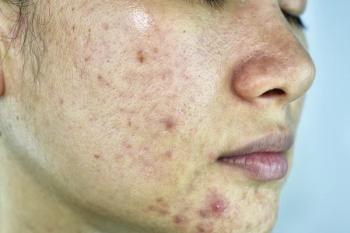
Study of 144 female students shows that stress may increase acne severity.

Pennsylvania Dermatology Partners tells its story of technological support and success.

Discordance between increase in billed procedures vs increase in number of patients.

It is only recently that continued research has led to significant advances in numerous immune-based drugs that can successfully be used in patients with advanced melanoma (stage III and IV).
Until the approval of Eskata (hydrogen peroxide) for the treatment of raised seborrheic keratosis back in December, there was no FDA-approved treatment for this condition. Learn the latest in this article.
Researchers writing in JAMA Dermatology report that patients diagnosed with hidradenitis suppurativa (HS) are at a higher risk for having or developing Crohn’s disease (CD).
Topical rapamycin significantly improves facial angiofibromas secondary to tuberous sclerosis complex, according to data from a 6-month randomized placebo-controlled study.
Physicians throughout the country are recruiting patients for two phase three clinical trials of cantharidin for the treatment of molluscum contagiousum. a viral skin condition.
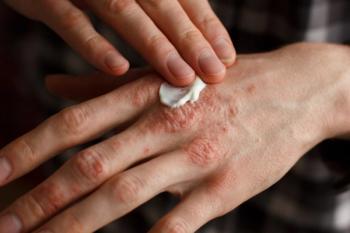
Ortho Dermatologics announced in August that it resubmitted a new drug application to the FDA for DUOBRIITM1, a lotion for the treatment of plaque psoriasis.
PharmaTimes reported in August that the Spanish company Almirall acquired Allergan’s U.S. dermatology portfolio for $650 million.
In October, the Food and Drug Administratin is expected to decide on the approval of omadacycline (Paratek Pharmaceuticals) for the treatment of acute bacterial skin and skin structure infections, and community-acquired bacterial pneumonia.


In this month's Cosmetic Conundrums column, Dr. Draelos addresses “tight skin,” the use of menthol in skin care products and over-the-counter itch relieving products.
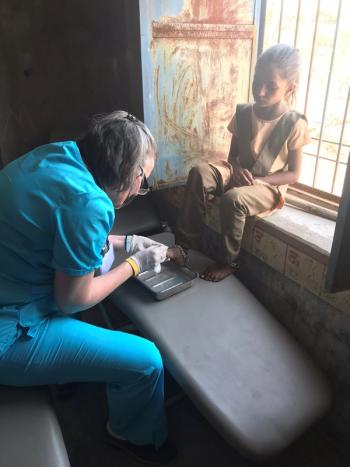
WE medical trip to India ends in eye-opening lessons learned.
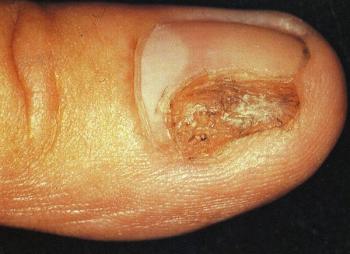
Helping a dermatopathologist diagnose neoplasms and infections of the foot requires not only taking adequate samples, but in many cases, sending clinical photographs with them.

The new Thermage FLX adds speed and ease of use to the only monopolar radiofrequency (RF) device FDA-cleared for use on body and facial locations, including the eyelids, with a single treatment.
One hurdle in treating patients, particularly children and teens, is ensuring compliance with treatment protocols. It can feel like an uphill battle, but there are things you can do to improve your patients’ adherence level.
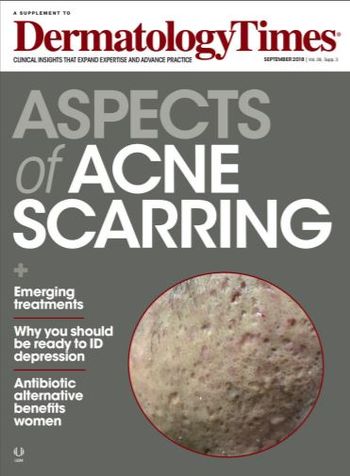
The September 2018 issue of Dermatology Times includes a special supplment on treating acne scarring. It highlights some of the latest advances in treating patients who suffer from this condition.

A new Centers for Medicaid and Medicare Services plan for payment for evaluation and management services (E/M) has been proposed and CMS is currently accepting comments through 5 p.m., Sept. 10. The new rules would apply to all E/M services delivered after Jan. 1, 2019.

While claims don’t always lead to court cases, they can lead to stress, says Stephen E. Wolverton, M.D., a dermatologist with Indiana University Health in Bloomington, Ind. Learn more about managing the stress associated with malpractice claims.

False eyelashes and hair extensions could become a problem if it becomes representative of the “ideal” woman.

Introducing a new column called "Innovation" from the co-founders of Advancing Innovation in Dermatology Accelerator Fund. In the first installment of this series, Drs. Steve Xu and William Ju address the importance of innovation in dermatology.
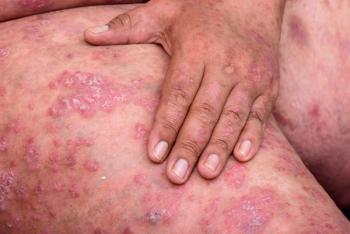
As dermatologists become increasingly aware of comorbidities associated with psoriasis, questions of associated malignancy risk remain. Dr. Megan Noe emphasizes the need for skin cancer checks.
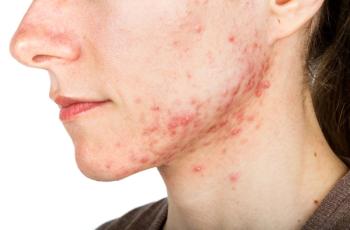
“As dermatologists, we are trained in managing acne. We can provide early and effective treatment that improves the physical and psychological effects. It is up to us to bridge the gap between those suffering from acne and their access to medical treatment."
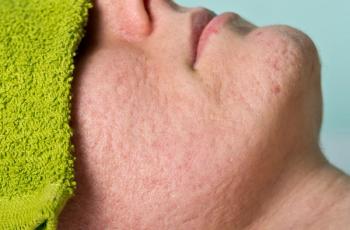
Researchers writing in the Journal of Clinical and Aesthetic Dermatology outline 10 treatments for acne scarring, plus possible future treatments.
Mapping the human genome for chronic itch holds the potential to develop targeted therapy for atopic dermatitis and psoriasis itch, a study shows.
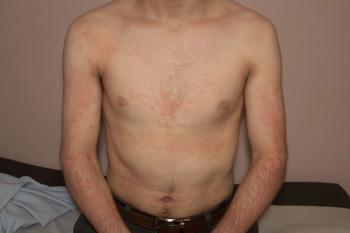
Study shows that blocking IL-13 improves atopic dermatitis ― a promising finding for IL-13 atopic dermatitis drugs in development.
Solid organ transplant recipients experience an average of two cutaneous squamous cell carcinomas following their transplant.

Two to three months of neoadjuvant topical imiquimod, 5%, cream prior to conservatively staged excisions for lentigo maligna (LM) is associated with a low rate of recurrence.