

Jennelle Daly, MPAS, PA-C, reveals essential winter sunscreen insights, emphasizing UVA risks and patient education for effective photoprotection against melanoma.

Jennelle Daly, MPAS, PA-C, reveals essential winter sunscreen insights, emphasizing UVA risks and patient education for effective photoprotection against melanoma.

Clinicians discuss evolving psoriasis treatment goals, emphasizing clear benchmarks for patient understanding and improved outcomes in therapy.
Experts discuss how psoriasis treatment targets have dramatically evolved. Historically, a 50-75% skin improvement (PASI 50/75) was the benchmark for success. With modern systemic therapies, including advanced biologics targeting IL-17, IL-23, and oral agents, the goal is now near or complete 100% skin clearance. The panel emphasizes that early and aggressive intervention with systemic treatment is key to changing the disease course and achieving sustained remission. This "treat-to-target" mindset aligns with higher patient expectations and recognizes psoriasis as a systemic condition requiring internal therapy. Clearing the skin externally signifies reduced internal inflammation, fundamentally redefining psoriasis treatment success towards achieving clear skin and improved long-term patient quality of life.

Explore the transformative role of AI in dermatology with Nawar Shara, PhD, focusing on personalized skin care and patient safety.
James Del Rosso, DO, discusses innovative topical therapies for dermatologic conditions.
Explore effective management strategies for atopic dermatitis in children, focusing on non-steroidal options and addressing parental concerns.
Healthcare professionals discuss effective educational strategies for managing chronic skin conditions, emphasizing proactive treatment and patient understanding.
BioMendics is advancing TolaSure in the TAMES-02 trial for EBS, aiming for rapid market access and potential expansion to other keratinopathies.
Michael O'Donoghue, MD, discusses tailoring PDT for AK, emphasizing patient preferences and flexible treatment strategies.
Karen McGuire, PhD, discusses innovative TolaSure for treating epidermolysis bullosa simplex, focusing on disease modification rather than symptom management.
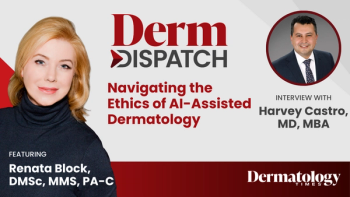
Renata Block, DMSc, MMS, PA-C, explores how AI could transform dermatology with insights from Dr. GPT on integration, equity, and the future of patient care.
Heap discusses promising phase 3 results for zasocitinib, an oral TYK2 inhibitor, showcasing its efficacy and safety in psoriasis therapy.
Healthcare professionals discuss effective educational strategies for managing chronic skin conditions, emphasizing proactive treatment and patient understanding.
Explore the innovative role of PDE4 inhibitors in treating atopic dermatitis, highlighting breakthroughs in topical therapies and their efficacy.
Explore the innovative role of PDE4 inhibitors in treating atopic dermatitis, highlighting breakthroughs in topical applications and their efficacy.
Healthcare professionals discuss the balance of safety and effectiveness in prescribing topical steroids and non-steroidal treatments for pediatric patients.
Explore the evolving landscape of pediatric atopic dermatitis treatment, focusing on innovative therapies and strategies to break the steroid cycle.
Pediatric dermatology experiences a transformative shift, enhancing care for younger patients and expanding therapeutic options.

John Barbieri, MD, MBA; Ted Rosen, MD; Peter Lio, MD; Shanna Miranti, MPAS, PA-C; and Larissa Schmidt, DPM, share what gifts they would give to the field of dermatology this holiday season.
Hilary Baldwin, MD; Douglas DiRuggiero, DMSc, MHS, PA-C; Diego Ruiz DaSilva, MD; Ken Korber, PA-C; Patrick Burnett, MD, PhD; and Lisa Weiss, PA-C, share what gifts they would give to the field of dermatology this holiday season.
Experts explore innovative treatments for pediatric atopic dermatitis, emphasizing non-steroidal options and early intervention for better long-term management.
Michael O'Donoghue, MD, shares insights on actinic keratosis management, emphasizing personalized therapy strategies.
John Barbieri, MD, MBA, discusses how deteriorating prior authorization processes are compromising access to essential dermatologic therapies.
Omar Noor, MD, discusses how pain and functional impairment define CHE and reviews why topical delgocitinib provides early symptomatic relief and improved adherence.
John Barbieri, MD, MBA, outlines how missing reviewer identification, unclear step-therapy requirements, and limited engagement during appeals contribute to delays, inefficiencies, and potential clinical harm for patients.
Omar Noor, MD, outlines the complex phenotypes, variable presentations, and functional burdens of chronic hand eczema and explains why a broader JAK-targeted strategy may offer therapeutic advantages.

Tori Spelling and Stella McDermott share their journey with eczema, promoting the Free to Be Me campaign and discussing innovative treatments like roflumilast.
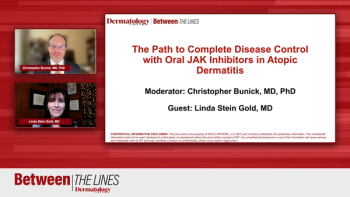
Panelists discuss how effective patient onboarding and education enable smooth integration of JAK inhibitors into clinical practice for long-term success.
Hilary Baldwin, MD, introduces the series and reviews acne pathogenesis, mechanisms of topical therapies, and key barriers to adherence in everyday practice.
Patrick Burnett, MD, PhD, of Arcutis, explores new treatments for vitiligo and hidradenitis suppurativa, while advancing systemic biologics for atopic dermatitis by 2026.