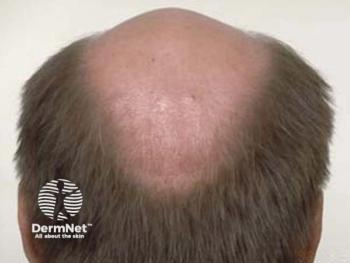
From emerging therapies to earlier intervention and psychosocial support, Dermatology Times looks back at key alopecia areata developments in 2026.
InnoCare Pharma has initiated a global trial for soficitinib, targeting prurigo nodularis, aiming to enhance treatment options for this chronic skin condition.
Last week, InnoCare Pharma announced the initiation of its global phase 2 clinical trial evaluating soficitinib (ICP-332), a selective TYK2 inhibitor, for the treatment of prurigo nodularis.1 The first patient has now been dosed in China, marking an important step for one of the most advanced oral immunomodulatory candidates in prurigo nodularis, an area of rapidly evolving therapeutic development. After initial success in the treatment of atopic dermatitis, the new phase 2 prurigo nodularis trial will further define Soficitinib’s dose-response characteristics, durability of itch reduction, impact on lesion severity, and overall safety in a patient population with high symptom burden.
“InnoCare's pipeline under development now covers ten major autoimmune diseases, with a particular focus on dermatological conditions. The phase 2 clinical study of soficitinib for moderate-to-severe atopic dermatitis demonstrated outstanding efficacy and a strong safety profile. The data has been released as a late-breaking oral presentation at the American Academy of Dermatology (AAD) Annual Meeting. We are accelerating global clinical development to bring innovative therapies to more autoimmune patients as early as possible,” Jasmine Cui, PharmD, co-founder, chairwoman, and CEO of InnoCare, said in a statement.1
Soficitinib is a potent and highly selective TYK2 inhibitor designed to modulate key drivers of T-cell–mediated autoimmune and inflammatory skin disease. TYK2 plays an essential role in the JAK-STAT signaling pathway and mediates downstream activity of cytokines implicated in pruritus and cutaneous inflammation, including IL-4, IL-13, and IL-31. By interrupting these signaling cascades, Soficitinib is intended to reduce neuroimmune itch pathways and inflammatory processes central to prurigo nodularis.
TYK2 inhibition represents a rapidly developing therapeutic class across dermatology. Selective TYK2 blockers have demonstrated efficacy in a range of immune-mediated skin diseases by targeting cytokine networks involved in Th1, Th2, and Th17/Th22 pathways. Soficitinib is being evaluated across multiple other dermatologic indications, including atopic dermatitis, vitiligo, and urticaria.
Prurigo nodularis is a chronic, intensely pruritic skin disorder characterized by hyperkeratotic nodules and often severe, refractory itch. The disease substantially diminishes quality of life, disrupts sleep, and frequently requires complex multimodal therapy. While therapeutic advances have accelerated over the past several years, effective oral options that target multiple cytokine axes remain limited. As a result, clinicians continue to rely on a combination of topical anti-inflammatories, phototherapy, neuromodulators, and systemic immunomodulators to manage moderate-to-severe disease.
The prevalence of prurigo nodularis has gained increasing recognition, with an estimated 10 million patients worldwide.2 The global prurigo nodularis therapeutics market, valued at approximately $2 billion in 2024, is projected to reach $3 billion by 2034, reflecting both unmet medical need and accelerating innovation. Rising awareness, improved diagnostic criteria, and aging populations continue to expand the clinical demand for more precise and tolerable treatment approaches.
References
1. InnoCare Announces First Patient Dosed in the Global Phase II Clinical Trial of TYK2 Inhibitor Soficitinib for Treatment of Prurigo Nodularis. News release. Globe Newswire. Published November 27, 2025. Accessed December 4, 2025.
2. Alinaghi F, Jensen MB, Elberling J, Skov L, Loft N. (2025), Worldwide prevalence of prurigo nodularis: A systematic review and meta-analysis. J Eur Acad Dermatol Venereol, 39: e767-e771.