In this episode, Albert Yan, MD, FAAP, FAAD, discusses his SPD 2024 session revolving around the helpful (or hindering?) role of artificial intelligence and chatbots in dermatology.
In this episode, Albert Yan, MD, FAAP, FAAD, discusses his SPD 2024 session revolving around the helpful (or hindering?) role of artificial intelligence and chatbots in dermatology.
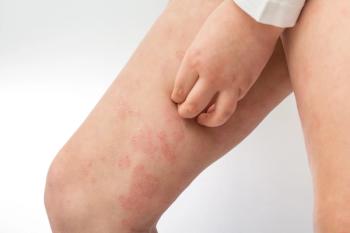
All domains of the DLQI and CDLQI experienced improvements through 108 weeks, according to a poster presented at the SPD's annual meeting.
Silverberg discusses her SPD 2024 lecture, "Approach to Progressive Vitiligo," the future vitiligo landscape, and more.
Julapalli discusses her SPD 2024 lecture, "Rediscovering Joy in our Lives and the Workplace," excitement for the future of pediatric dermatology, and more.
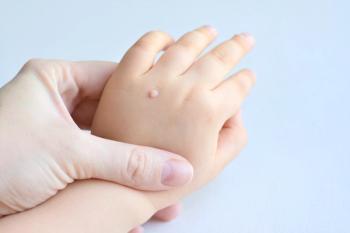
The average pain score reported during treatment was 0.4/10, according to a poster presented at the SPD's annual meeting.
Mancini discusses his SPD 2024 lecture, emphasizing off-label treatments, surrogate diagnostic markers, simpler therapies, and the importance of empathy and education.
The conference aimed at providing pediatric dermatology clinicians with the latest in the specialty begins tomorrow in Toronto, Ontario.

Ahead of the SPD's Annual Meeting in Toronto, share with us: What do you hope to learn?

Two poster presentations at this year’s Society for Pediatric Dermatology Meeting delve into the psychological impact of the condition and a new option for management.

Leading atopic dermatitis experts delve into integrative approaches, prescription options, and strategies to encourage patients to stick with their treatment plan.

Researchers applied EB-101, a new cell therapy, to patients with recessive dystrophic epidermolysis bullosa with positive results.
Jemima Mellerio, MD, said a correct diagnosis often requires a lot of testing, questioning, and observation.

As a parent of a child with a vascular anomaly, Kumar has experienced all the emotions of having a child who is born with a skin condition.

Pediatricians are often the first to diagnose and manage pediatric atopic dermatitis, and Larry Eichenfield, MD, led a team to develop a tool to help them.

As a radiologist with Radiology Associates of Albuquerque, Jessica Williams, MD, offered pearls on imaging for young patients.
Remembering that skin conditions are not just physical, but also have a significant emotional impact, is critical to treating the whole patient.

Dermatologists can use TikTok to educate the public on skin care and dispel incorrect information.
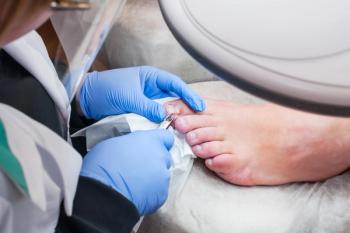
The nail expert from Duke University shares surgical techniques from biopsy to post-operative care.

George Hightower, MD, PhD explained 4 critical conversations to discuss among dermatology colleagues to determine best care for underserved populations and neighborhoods.

Researchers noted that infants who began propranolol therapy at higher dose had a lower incidence of adverse events.
Alan Mendelsohn, MD, presented captivating Phase 3 TMB-001 PK Data in a poster session.

Sara F. Grace, MD, discussed medications and diseases that dermatologists encounter in treating patients.

Carrie Coughlin, MD, discussed how dermatologists can gain insight into their patient’s preferences using qualitative research tools.

Peter Lio, MD also explained why he considers it a bad day when he does not learn something new about this disease.

Jemima Mellerio, MD, covered recent developments for managing epidermolysis bullosa and the challenges of studying rare diseases.

Jane Bellet, MD, will present 2 sessions full of pearls to ensure tiny fingers and toes are cared for in a timely, heartfelt, and effective treatment regimen.

A multicenter study to further explore treatment of kaposiform hemangioendotheliomas has been proposed after untreated patients did not develop Kasabach Merritt Phenomenon.
Bree will discuss the organization she founded and how it helps children with skin diseases and birthmarks.

Steve Feldman, MD, PhD, is part of an atopic dermatitis panel and focuses on strategies to hold pediatric patients and their parents accountable to treatment methods.