
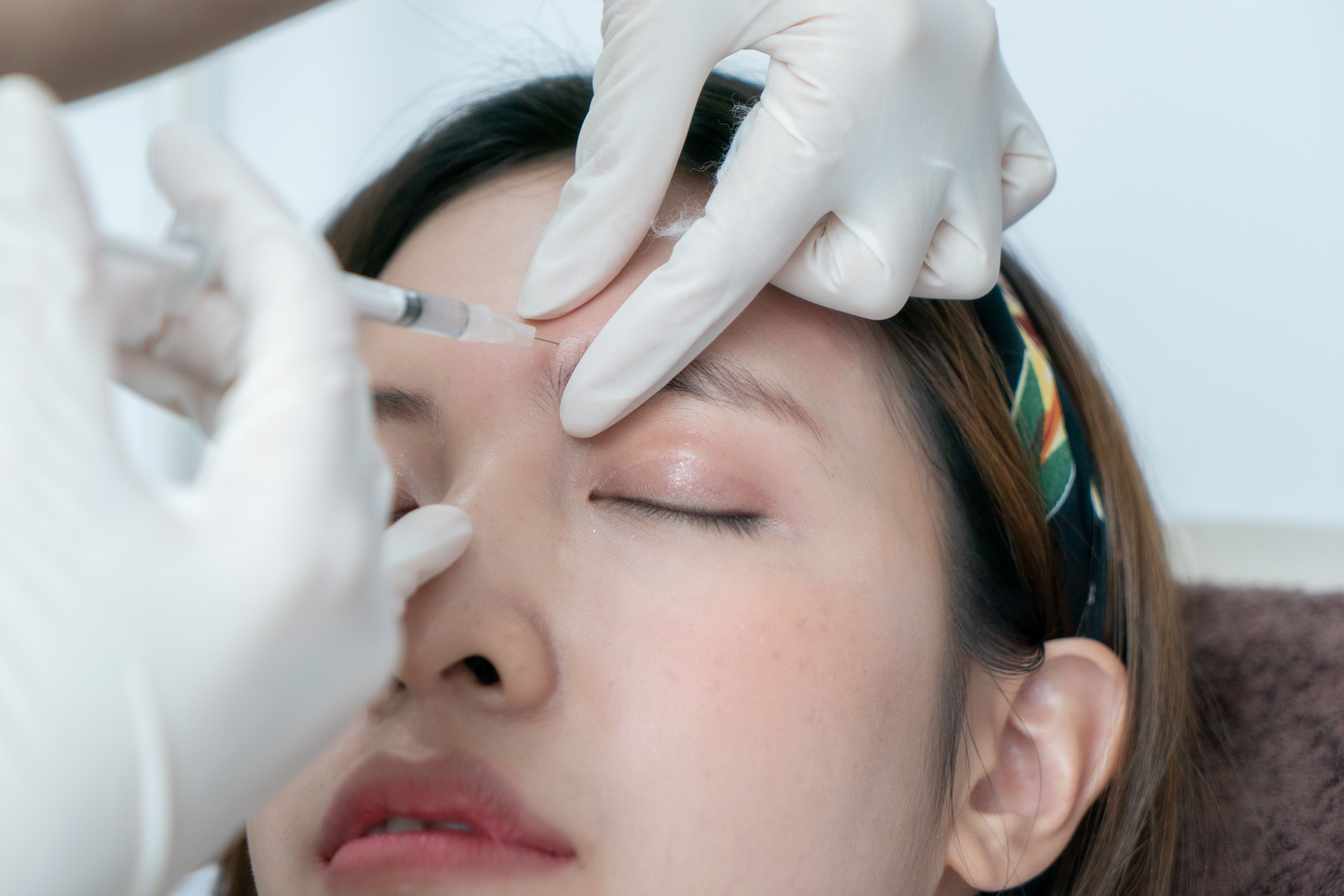








Vivace microneedling device receives FDA clearance on 2MHz radiofrequency setting.

Vivace microneedling device receives FDA clearance on 2MHz radiofrequency setting.

A 2020 study investigates the safety and efficacy of nanopulse stimulation energy on facial tissue and wound response.

This week, consumer magazines highlight psychodermatology, thread lifts, and more.

This week in aesthetics, we highlight the launch of Nutrafol Postpartum, the creation of the AACS Women in Cosmetic Surgery forum, and more.

The American Academy of Cosmetic Surgery announced the creation of a new forum, WICS, focused on the growth and development of female cosmetic surgeon members.

Hugel America announces the FDA has approved the BLA application for letibotulinumtoxinA as a treatment for glabellar lines in adult patients.
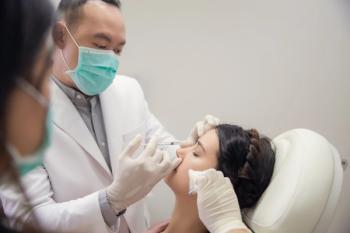
Hugel America announces the BLA application FDA approval for letibotulinumtoxinA as a treatment for glabellar lines in adult patients.

We dive into how health care policy impacts gender and sexual minority patients, including exploring the Affordable Care Act (ACA) and Medicaid expansion, and identifying state and federal nondiscrimination protections that help defend equal access to health care for this patient population.

Nutrafol launches a new nutraceutical, called Postpartum, aimed at helping women’s hair health post-pregnancy.

This week, consumer magazines highlight the realities of “natural” skin care, adult acne, and more.

This week in aesthetics, we highlight how to create a skin care line, 2020 skin care trends, MyEllevate neck and facial rejuvenation, and the increasing popularity of facial hair transplants.

Facial hair grafting is becoming an increasingly popular procedure with methods such as follicular unit extraction (FUE) and follicular unit transplantation (FUT) to improve the hair appearance of beards and eyebrows.

Expert physicians highlight the rise in minimally invasive procedures using the MyEllevate light-guided suture technology for neck and facial rejuvenation.

Women’s use of facial skin care products saw a significant rise in 2020 due to the COVID-19 pandemic, according to The NPD Group, a market research company.
Creating a skin care line involves dedication, product testing, clinical trials, marketing, sales, and yes, a lot of money.

New regulations, latest absorption data, and updates on environmental and health impacts are shaping the world of photoprotection.

This week, consumer magazines highlight Benzene in 78 popular sunscreens, a TikTok “filler” trend physicians are urging patients to avoid, and more.

Revance provides an update on the approval process for its injectable daxibotulinumtoxinA (DAXI) for the treatment of glabellar lines.

This week in aesthetics, we highlight a new nonsurgical eyelid lift option, protecting the practice while donating goods and services, and more.
Donating to charitable organizations is a great way to give back to the community. However, physicians and practices need to create concrete safeguards to protect against being scammed, says Joe Niamtu III, DMD, who knows the hurt of this very real situation.

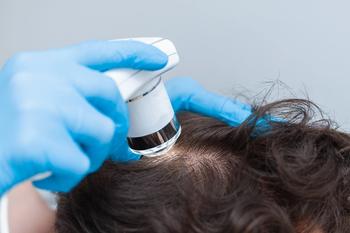
Trichoscopy, which is based on dermoscopy, can be a valuable tool for diagnosing conditions that cause hair loss and inflammatory scalp disease.

A new study examines the effects of hydrolyzed marine collagen on women’s faces.
Each month, Dermatology Times® features a roundup of products trending in skin care. Click here to find out what products are trending for the month of June.
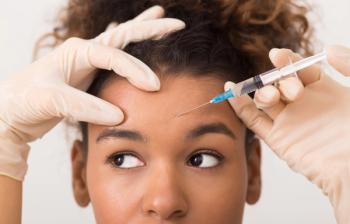
Does COVID-19 antigens cause hypersensitivity to dermal fillers?