

Molluscum contagiosum can often have a negative impact on the quality of life of affected children. Recent data show high lesion clearance compared with placebo.
Molluscum contagiosum can often have a negative impact on the quality of life of affected children. Recent data show high lesion clearance compared with placebo.

Researchers tested whether diluted bleach solution at the concentrations recommended for bleach baths is an effective antibacterial agent.
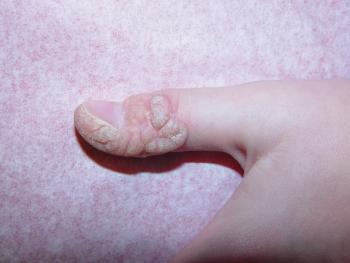
New drugs in clinical trials for the treatment of warts and molluscum contagiosum could improve on currently available therapies, which are limited, used off-label and often cause tissue damage.
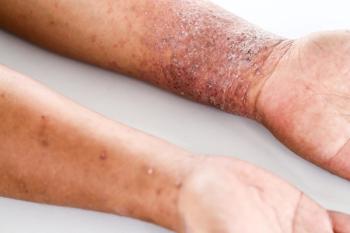
Clothing is a secondary skin and can influence the severity of skin conditions such as atopic dermatitis. But the antibacterial effectiveness of specialized clothing used to reduce disease symptoms varies considerably. Researchers recently decided to put these fabrics to the test - here's what they found.
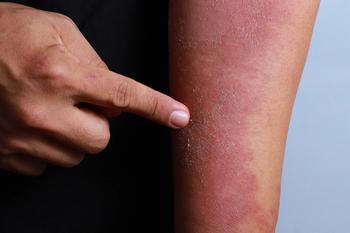
As a class, JAK inhibitors look like the best oral targeted therapeutic option when topical cortical steroids and/or topical calcineurin inhibitors plus emollients fail.

Dermatologists need to consider modifying the appointment system to improve access to care for patients with atopic dermatitis flares, says this expert.

Study suggests rosacea may be outcome of systemic inflammation with evidence linking the condition to cardiovascular disease, inflammatory bowel disease, and even some neurological diseases.
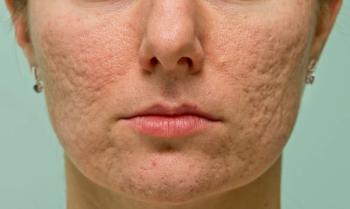
A recent study explores how early inflammation and histological changes are involved in acne scarring by comparing the molecular profiles of acne lesions in patients who are prone to scarring against lesions from patients who are not prone to scarring. Here’s what researchers found.

Acne mechanica usually occurs when skin is pressed against heavy clothing or bulky protective gear, but dermatologists recently discovered a case of the condition caused by friction between the inner thighs of an obese teenager.
Deep phenol-croton oil peels still have a place among resurfacing techniques. However, more studies are needed to better define the clinical and the histologic outcomes of deep peels relative to other approaches.

A better understanding of the association between systemic antibiotics and the populations of bacteria in the skin microbiota may help clinicians better address related comorbidities.
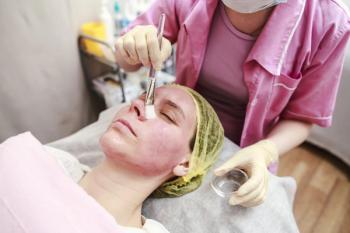
Superficial and medium depth peels could be effective treatment options for patients with mild to moderate acne, says a recent review.
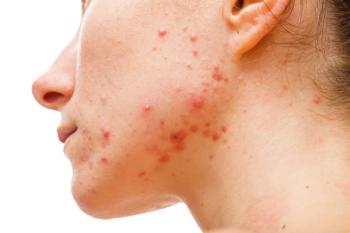
Patients with hidradenitis suppurativa have a high prevalence of acne vulgaris, according to the latest research.

A recent study suggests that genes such as ERBB2, KIT, FGFR3, and RET might be relevant in the treatment of individual patients with cutaneous melanoma.
The past decade has seen significant advances in the understanding of molecular pathogenesis of skin cancer leading to the development of targeted treatments and immunotherapies that have dramatically improved progression free survival and even overall survival in melanoma, basal cell carcinoma (BCC) and even some rarer cutaneous carcinomas.
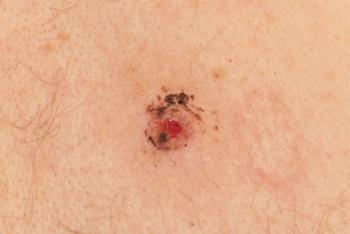
Cell-free circulating DNA (cfDNA) can provide a useful snapshot of the BRAF and NRAS genotype of melanoma patients’ tumor tissue and act as a useful surrogate to assessing tissue biopsies for the markers, a recent study suggests.
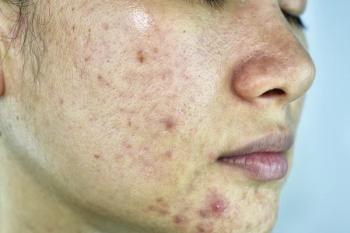
Combined plant-based therapy is more effective for treating mild-to-moderate acne than a synthetic antibiotic

Role of retinoids in acne set to be cemented further with advent of first fourth generation product.
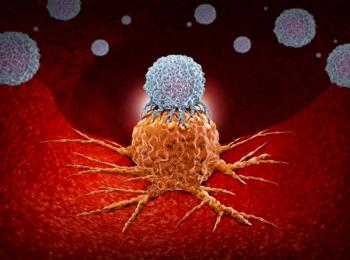
IDO inhibitors have recently emerged as a new and exciting class of anticancer drugs. Learn more about this and other immunotherapy treatments in this article.

Doctors suggest that cytokine antagonists may lessen the severity of the rash.

Combining antibody IgG2a with a TNF protein shows promise against melanoma in mouse studies.
Treatment options for metastatic melanoma have greatly improved, including in the adjuvant setting, and these advances are reflected in the recently updated American Academy of Dermatology clinical guidelines on the management of primary cutaneous melanoma. Find out what has changed in this article.

Do you know the warning signs of life threatening purpura? Dr. Roderick Hay outlines what you need to know about potentially life-threatening conditions involving purpura.

While neuropathic pain is a focus of research and drug development, the same cannot be said for neuropathic itch.
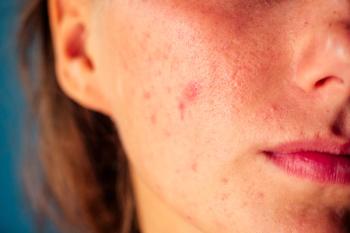
Oral and topical statins can be an effective addition to treatment for acne vulgaris when combined with standard treatment, suggests the results of a study published online in Current Clinical Pharmacology.
Small study shows that this topical solution could be as effective for treating post acne scarring as microneedling.

Wound healing is impaired in both psoriasis and multiple sclerosis. Understanding the pathophysiology of these two chronic conditions is vital to generating and improving treatment targets.

Pilot study suggests topical gel effective as monotherapy for acne vulgaris of the trunk.

Study shows novel minocycline foam appears to be effective in moderate to severe acne vulgaris and is well-tolerated in phase three trials.

Intense pulsed light therapy is an effective treatment for severe acne in dark-skinned women, say researchers writing in the Journal of Clinical and Aesthetic Dermatology.