

Combining metformin and oral contraceptives to treat polycystic ovarian syndrome has little impact on quality of life measures including acne, a study shows.
Combining metformin and oral contraceptives to treat polycystic ovarian syndrome has little impact on quality of life measures including acne, a study shows.

Can clinicians working for Catholic health care organizations prescribe the birth control pill for acne? A recent article discusses the ethical and legal problems these clinicians face when patients request to be treated with oral contraceptives.

A low glycemic index and glycemic load diet decreases IGF-1 concentrations, a well-established risk factor in the pathogenesis of acne pathogenesis indicating that such diets have the potential to reduce the impact of acne, a study suggests.

Dermatologists should consider using the diuretic drug spironolactone to treat acne in women instead of antibiotics, researchers report.
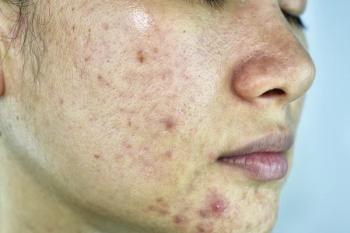
Study of 144 female students shows that stress may increase acne severity.
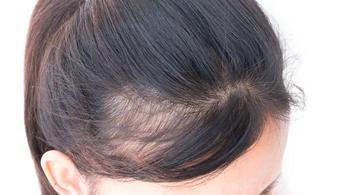
Frontal fibrosing alopecia is a condition that is increasing in epidemic proportions, says Jerry Shapiro, M.D., in a presentation given at the 2018 AAD Summer Meeting.

Nutritional supplements should only be considered for a small subset of patients with alopecia areata, said Dr. Leslie Castelo-Soccio in a presentation from the AAD Summer Meeting.

It might not be the first place dermatologists look, but diseases of the vulva are skin conditions. An itchy, sore vulva can be caused by a number of different skin conditions, said Dr. Gayle Fischer in a presentation given at the AAD Summer Meeting.

Caring for gay men and other men who have sex with men in a dermatology settings requires medical knowledge and cultural sensitivity, but few dermatologists have had formal training in caring for this group of patients.

Treatment may offer an alternative to topical retinoid treatments for acne scarring.

The intensity and duration of the inflammatory reaction in acne causes dermal damage and alteration of the sebaceous gland structure leading to atrophic scar formation, but not all patients are affected equally.
A novel picosecond/nanosecond 670 nm wavelength is safe and effective for the treatment of benign pigmented lesions.

Superficial chemical peels have a relatively low complication rate in patients with darker skin types when performed appropriately, a study finds.

Eosinophilic fasciitis is a rare condition for which there are no established diagnostic criteria or clinical guidelines for its management.

Years ago antibiotics were used to treat acne because it was thought that the condition was an infectious disease, says Dr. Hilary Baldwin of the Rutgers Robert Wood Johnson Medical School.
Pilot study tests whether PDL prior to surgical excision can prevent scarring
The recommended use of antihistamines for chronic urticaria have been updated in the most recent installment of treatment guidelines written by a European and American work group.
Cosmetic needs differ for skin of color patients who may require different treatments, says Dr. Eliot Battle who addressed the use of old and new technologies for skin of color patients during this year’s Skin of Color Seminar Series meeting in New York City.

A recent small study finds that microneedling can improve acne scarring and the associated hyperpigmentation in patients with skin of color.
Laser technologies can be an added benefit to your practice, but be a smart consumer, experts say.
A pulsed dye laser developed for the treatment of vascular and pigmented lesions on the face, has been shown to be effective for facial rejuvenation on just one pass, a small study shows.
In 2005, a 22-year old student in South Carolina died from a fatal dose of lidocaine after she was given a topical anaesthetic gel by a spa employee and told to apply it from her groin to her ankle and cover it in plastic in preparation for hair removal treatment on her leg.
22-year-old patient dies from lidocaine overdose. This and other cases highlight the potential toxicity of anaesthetics. One expert discusses tips for safe use and warning signs to watch for.
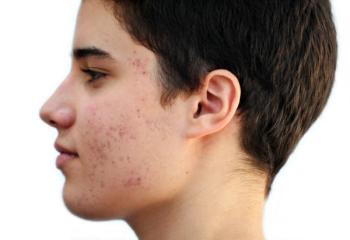
As both severe acne and transgenderism are independently associated with higher rates of depression and suicide, it may be advisable that transgender adolescents are monitored for acne once testosterone treatment has begun. Given the potential risks - some 41% of transgender adults have at some point attempted suicide - acne should be treated even if only mild, says Dr. Lucía Campos-Munoz.
Dermatologists should discuss cost and insurance coverage concerns with patients to boost adherence to acne medication, researchers report in JAMA Dermatology.
Poor quality trials make assessing effects of non-pharmacological treatments in acne difficult, but based on the evidence, glycolic acid, amino fruit acid, intense pulsed light and diode laser are the most promising.
Chronic urticaria is associated with a low resolution rate, but researchers writing in JAMA point to biomarkers that may help predict the likelihood of resolution.
A daily capsule of a cocktail of probiotics may reduce both the severity symptoms in moderate atopic dermatitis and the need for topical corticosteroids to treat symptom flare ups in children.
A small study finds that the combination of methotrexate and azathioprine is safe and effective as maintenance treatment for patients with moderate-to-severe atopic dermatitis for up to five years.