

Click here to read more and answer our quiz questions in recognition of Rosacea Awareness Month.
Click here to read more and answer our quiz questions in recognition of Rosacea Awareness Month.
Keep up with the latest headlines in dermatology from the past week, including health alerts and warnings of counterfeit Botox in several states, Washington state's first clinic with radiation therapy for nonmelanoma skin cancer, and more

Earlier this week, we shared our second Rosacea Awareness Month quiz. Review the answers and your responses below.
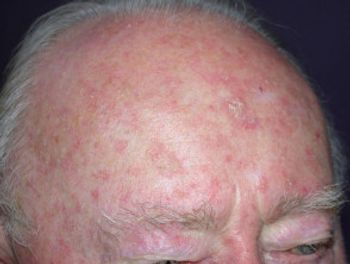
Researchers examined local skin reactions of a topical gel inhibiting cytosolic phospholipase A2 both in-clinic and remotely.

Noor, the co-owner of Rao Dermatology, shares about his interests in dermatology and what he most looks forward to as a member of our board.

Researchers compared a variable-sequenced, large-spot 532 nm KTP laser to the 595 nm pulsed-dye laser.

Data stems from week 28 results of the German G-EPOSS study evaluating the effectiveness of guselkumab in skin health, quality of life, sexuality, and stigmatization.
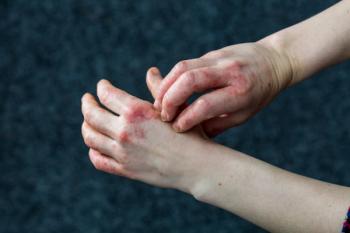
Researchers recently developed and validated the 3-question social comparison scale, which may be applicable outside of conditions such as eczema and psoriasis.

Addressing gender inequity in academic dermatology involves strengthening societies, celebrating female dermatologists, promoting leadership, and equitable representation, authors wrote.

Interim findings from the PROSPER study of mogamulizumab in adults with CTCL were recently presented orally.

In recognition of Rosacea Awareness Month, Dermatology Times is reviewing research and strides in rosacea treatment over the last decade.

Research from the GW School of Medicine and Health Sciences was recently published in the Journal of Drugs in Dermatology.

Click here to read more and answer our quiz questions in recognition of Rosacea Awareness Month.
Keep up with the latest headlines in dermatology from the past week, including UK efforts to address skin cancer disparities in skin of color, efficacy of a "virtual biopsy," and more.

ICYMI, this week we had news about Rosacea Awareness Month, topical pravibismane in diabetic foot ulcer infections, and more.
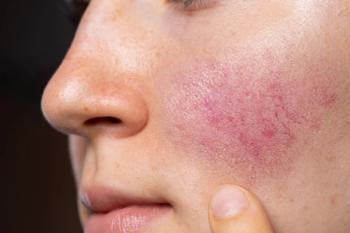
Earlier this week, we shared our first Rosacea Awareness Month quiz. Review the answers and your responses below.

Treatment also shifted the expression of key biomarkers in atopic dermatitis toward non-lesional levels, according to a recent study.

In one study, researchers were unable to detect any changes in the gut microbiome of patients treated with tapering dose of steroids or a probiotic mixture.
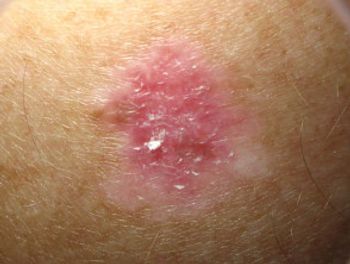
Diagnostic accuracy of lesions was enhanced with combined dermoscopy and reflectance confocal microscopy, according to one study.

Study participants in the treatment group experienced an observable and significant decrease in melanin index scoring.

Combining fire needle therapy with a 308 nm excimer laser for vitiligo treatment, as per a recent meta-analysis, was deemed both safe and effective.

According to 2 studies, this model has demonstrated the potential to assist in developing treatment and monitoring plans for early-stage melanomas.

This Rosacea Awareness Month, we have compiled a list of resources for clinicians to share with their rosacea patients.

Data was recently published in the International Wound Journal supporting positive outcomes in moderate or severe ulcers.
Click here to read more and answer our quiz questions in recognition of Rosacea Awareness Month.
Keep up with the latest headlines in dermatology from the past week, including the launch of an expanded job board for dermatology support roles, CMS and Incyte's collaboration for povorcitinib in China and Southeast Asia, and more.

In a comparative study, benzyl benzoate demonstrated superior efficacy in scabies cases, while topical permethrin exhibited a lack of effectiveness.

Researchers reviewed the efficacy and safety of omalizumab in patients with severe CSU in a routine clinical practice setting.
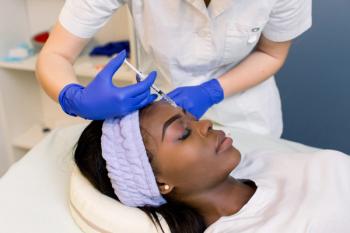
In a literature review, researchers found data supporting the efficacy and safety of fillers in patients with skin of color, particularly for populations where is there is limited data.

Versus placebo, topical melatonin and rosuvastatin reduced psoriatic plaque severity with a favorable safety profile.