


Opinion|Videos|September 22, 2025
Unpacking the Heterogeneity of Atopic Dermatitis
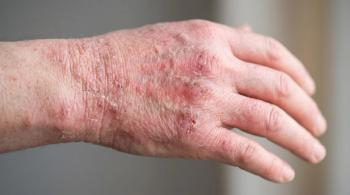
Panelists discuss how atopic dermatitis exhibits tremendous heterogeneity in clinical presentation, disease course, symptom variability, environmental triggers, and underlying immunologic and genetic factors that contribute to the challenge of developing one-size-fits-all treatments.
Advertisement
Episodes in this series
Video content above is prompted by the following:
Atopic dermatitis demonstrates remarkable clinical heterogeneity through its association with “twitchy skin” hypersensitivity, where patients experience heightened neural itch responses to physical stimuli such as air exposure. Dr Eichenfield explains that this creates immunologic hypersensitivity with amplified responses to environmental triggers, pollution, and viral infections, and unpredictable clinical courses with variable flare patterns. This variability extends to concurrent allergies, contact sensitivities, and individual responses to systemic therapies, creating complex treatment challenges.
The underlying immunologic heterogeneity involves different cytokine profiles among individuals and varying responses to targeted therapies, with some patients achieving complete clearance while others maintain mixed immune responses. Genetic variability adds another layer of complexity, as demonstrated by patients with filaggrin mutations and associated ichthyosis vulgaris who may respond differently to systemic treatments while retaining underlying barrier dysfunction. This genetic component influences disease presentation but lacks sufficient clinical translation for routine genomic testing to guide therapy selection.
Atopic dermatitis represents a complex interaction between intrinsic genetic and immunologic factors and extrinsic environmental triggers, explaining the significant variation among patients in disease presentation and behavior. This push-and-pull dynamic between internal skin factors and external environmental influences creates unique disease patterns for each individual. Understanding this balance helps explain why the condition appears and acts differently across patients, providing a framework for personalized treatment approaches that consider genetic predisposition and environmental management strategies.
Advertisement
Related to this article

SYX-5219 improved disease severity and itch in a Phase 1b trial of adults with moderate to severe atopic dermatitis.

Christophe Piketty discusses 3-year ARCADIA data demonstrating sustained efficacy and long-term safety of nemolizumab in atopic dermatitis.
No skin lesion flares were observed through 16 weeks after switching from dupilumab to upadacitinib; itch flares occurred in 3.6% to 4.8% of patients with baseline WP-NRS scores of 6 or lower.

Three-year ARCADIA LTE data show sustained skin clearance and itch control with nemolizumab in moderate-to-severe atopic dermatitis.

Upadacitinib showed broader inflammatory effects and earlier skin barrier restoration than dupilumab in atopic dermatitis.
Advertisement
Advertisement
Trending on Dermatology Times
1
FDA Approves Pritelivir for Refractory Mucocutaneous HSV in Immunocompromised Adults
2
GLP-1 Agonists Address Metabolic Risk in Psoriatic Disease
3
EB06 Phase 2 Vitiligo Study Receives FDA IND Clearance
4
EADV 2026 Atopic Dermatitis Highlights: Tilrekimig, RAC2 Inhibition, and Level Up Data
5