


Opinion|Videos|September 29, 2025
The Role of T Cells in Atopic Dermatitis Pathogenesis
Panelists discuss how atopic dermatitis involves complex T-cell–mediated immune dysfunction beyond just Th2 pathways, with antigen-presenting cells driving naive T-cell activation and differentiation into multiple T-cell subsets that produce various inflammatory cytokines.
Advertisement
Episodes in this series
Video content above is prompted by the following:
Atopic dermatitis exemplifies a chronic inflammatory disease primarily driven by adaptive immune dysfunction within T-cell subsets, with T cells influencing multiple disease elements including barrier disruption, immune dysregulation, neuronal hypersensitivity, and microbial dysbiosis. The production of cytokines across various T-cell subsets drives these interconnected pathological processes. While traditionally viewed as a type 2 T helper cell–driven disease, emerging evidence suggests broader T-cell subset involvement, requiring expanded therapeutic targeting beyond the classic IL-4, IL-13, and IL-5 pathway.
The disease ontogeny involves complex antigen presentation processes where barrier disruption allows allergens and antigens to penetrate skin, leading to dendritic cell activation and subsequent naive T-cell priming. Dr Eichenfield describes how various antigen-presenting cells, including Langerhans cells, macrophages, and B cells, influence T-cell differentiation in Th1, Th2, Th17, Th22, and memory T-cell populations. This activation cascade involves multiple cell types, including fibroblasts and epithelial cells that mediate ongoing inflammatory responses with potential for amplification during flares or de-amplification during disease control.
The recognition of broader T-cell involvement beyond type 2 helper cells opens new therapeutic avenues targeting earlier stages of immune activation. While direct therapeutics against individual cytokines such as IL-17, interferon-gamma, and IL-22 have not fully revealed their roles, the evidence suggests multipathway T-cell involvement requiring more comprehensive therapeutic approaches. This understanding drives interest in costimulatory molecule targeting, such as OX40-OX40L interactions, which could potentially address the upstream T-cell activation processes that govern multiple downstream inflammatory pathways simultaneously.
Advertisement
Related to this article

A retrospective claims analysis of 2897 matched pairs found hazard ratios of 0.48 to 0.67 for new atopic disease with dupilumab vs systemic corticosteroids in children.

SYX-5219 improved disease severity and itch in a Phase 1b trial of adults with moderate to severe atopic dermatitis.

Christophe Piketty discusses 3-year ARCADIA data demonstrating sustained efficacy and long-term safety of nemolizumab in atopic dermatitis.
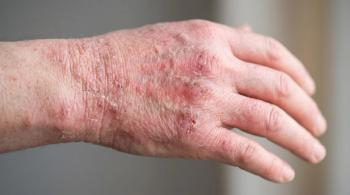
No skin lesion flares were observed through 16 weeks after switching from dupilumab to upadacitinib; itch flares occurred in 3.6% to 4.8% of patients with baseline WP-NRS scores of 6 or lower.

Three-year ARCADIA LTE data show sustained skin clearance and itch control with nemolizumab in moderate-to-severe atopic dermatitis.

Upadacitinib showed broader inflammatory effects and earlier skin barrier restoration than dupilumab in atopic dermatitis.
Advertisement
Advertisement
Trending on Dermatology Times
1
Social Media Mythbusters: Can Castor Oil Really Grow Hair?
2
Bitopertin Meets All End Points in Phase 3 APOLLO Trial for EPP
3
EADV 2026 Atopic Dermatitis Highlights: Tilrekimig, RAC2 Inhibition, and Level Up Data
4
FDA Approves Pritelivir for Refractory Mucocutaneous HSV in Immunocompromised Adults
5