


Opinion|Videos|October 13, 2025
Looking Ahead: Potential Uses and Unknowns for OX40 Pathway–Targeted Therapies in Atopic Dermatitis
Panelists discuss how OX40-pathway therapies may serve as first-line treatments after topicals due to their promising efficacy and safety profiles, though questions remain about optimal patient selection, long-term safety, and predictive biomarkers.
Advertisement
Episodes in this series
Video content above is prompted by the following: Determining the optimal positioning of OX40-pathway therapies within the current atopic dermatitis treatment algorithm presents significant challenges given the expanding therapeutic options and varying patient responses to existing biologics and JAK inhibitors. Dr Eichenfield notes the complexity of treatment selection, where patients may fail one highly effective therapy yet respond dramatically to another, highlighting the unpredictable nature of individual treatment responses. The potential for profound long-term effects with OX40 targeting could justify first-line positioning after topicals, but the slower onset of action compared with that of current biologics creates a therapeutic trade-off requiring careful consideration.
OX40-pathway therapies appear to offer a distinct therapeutic profile emphasizing durability over rapid response, contrasting with current biologics and oral therapies that provide faster symptom relief. The upstream targeting approach requires more immunologic steps to achieve clinical effects, potentially resulting in slower onset but offering the possibility of sustained responses with extended dosing intervals or even treatment discontinuation. This trade-off between immediate symptom control and long-term disease modification may influence treatment positioning based on patient priorities, disease severity, and previous treatment history.
Key outstanding questions include comprehensive safety profiles with larger patient populations, duration of therapeutic effects, and development of predictive biomarkers or phenotypic factors to identify optimal candidates for each therapy. Dr Eichenfield emphasizes the need for tools to predict which patients will achieve high-level responses, as current cytokine profiling approaches may not apply to OX40-pathway targeting. The dynamic nature of current drug development timelines suggests that definitive answers regarding optimal patient selection, safety profiles, and treatment positioning will emerge within the next year, fundamentally shaping future clinical practice approaches to atopic dermatitis management.
Advertisement
Related to this article

A retrospective claims analysis of 2897 matched pairs found hazard ratios of 0.48 to 0.67 for new atopic disease with dupilumab vs systemic corticosteroids in children.

SYX-5219 improved disease severity and itch in a Phase 1b trial of adults with moderate to severe atopic dermatitis.

Christophe Piketty discusses 3-year ARCADIA data demonstrating sustained efficacy and long-term safety of nemolizumab in atopic dermatitis.
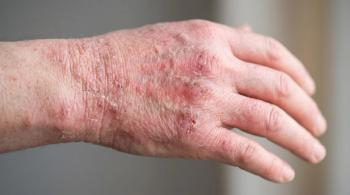
No skin lesion flares were observed through 16 weeks after switching from dupilumab to upadacitinib; itch flares occurred in 3.6% to 4.8% of patients with baseline WP-NRS scores of 6 or lower.

Three-year ARCADIA LTE data show sustained skin clearance and itch control with nemolizumab in moderate-to-severe atopic dermatitis.

Upadacitinib showed broader inflammatory effects and earlier skin barrier restoration than dupilumab in atopic dermatitis.
Advertisement
Advertisement
Trending on Dermatology Times
1
Social Media Mythbusters: Can Castor Oil Really Grow Hair?
2
Bitopertin Meets All End Points in Phase 3 APOLLO Trial for EPP
3
EADV 2026 Atopic Dermatitis Highlights: Tilrekimig, RAC2 Inhibition, and Level Up Data
4
FDA Approves Pritelivir for Refractory Mucocutaneous HSV in Immunocompromised Adults
5