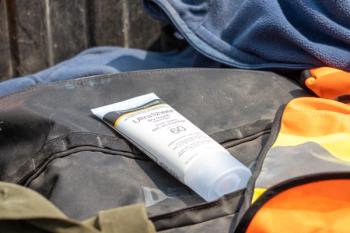
An HS toolbox with wound care, symptom relief, and personal care supplies can help patients stay prepared for unexpected flares.
Explore the complexities of managing hidradenitis suppurativa (HS) through real-world case studies moderated by Afsaneh Alavi, MD.
Hidradenitis suppurativa (HS) continues to challenge clinicians with its heterogeneity, chronic progression, and profound impact on patients’ lives. Although treatment algorithms provide structure, real-world management often hinges on nuanced judgment calls—when to escalate therapy, how to define disease severity, and which biologic best aligns with a patient’s clinical and personal context. A recent Dermatology Times Case-Based Roundtable led by Afsaneh Alavi, MD, director of the medical dermatology fellow at Mayo Clinic in Rochester, Minnesota, offered an opportunity to explore these questions through 3 patient scenarios, fostering robust discussion among both experienced and early-career clinicians.
The first case described a 27-year-old woman with a 3-year history of axillary HS marked by inflammatory nodules, a draining tunnel, and established scarring. Although anatomically limited, her disease significantly interfered with work and social activities and caused escalating anxiety about progression. Prior therapies, including topical clindamycin, multiple oral antibiotics, metformin, and hormonal therapy, had failed to provide durable control.
“Attendees had the most discussion around the first case. They found it interesting to consider placing clindamycin topical lotion with resorcinol 15% in Vanicream,” Alavi said. The exchange highlighted how clinicians continue to individualize topical regimens even as systemic options expand.
More broadly, the case underscored ongoing uncertainty around defining disease severity. Although Hurley staging categorized this patient as stage II, many attendees emphasized that static staging alone did not fully capture inflammatory activity or patient-reported burden. Tools such as the International Hidradenitis Suppurativa Severity Score System (IHS4) and qualitative assessment of pain, drainage, and psychosocial impact were frequently cited as critical to decision-making.
The discussion naturally progressed to biologic initiation. Participants debated whether biologic therapy should follow exhaustive trials of conventional agents or be considered earlier in selected patients. Practical considerations featured prominently. “We also had a valuable discussion about selecting biologics, focusing first on access and then on patient comorbidities,” Alavi said. Access constraints, insurance coverage, and patient preferences often shaped the feasible treatment pathway before comparative efficacy entered the conversation.
The second case involved a 35-year-old man with a 6-year history of HS affecting the axillae and groin, characterized by monthly flares and substantial impairment in work and intimate relationships. His management to date—intermittent antibiotics and short courses of corticosteroids—reflected a common real-world pattern of episodic rather than disease-modifying treatment.
This scenario catalyzed discussion around treatment timing. “Case 2 highlighted the importance of earlier use of biologics, the ‘window of opportunity’ to start therapy before irreversible tissue damage occurs,” Alavi said. Attendees reflected on how delayed escalation may contribute to cumulative scarring and sinus tract formation, even when the disease is labeled “moderate.”
Once biologic therapy was initiated, the focus shifted to durability of response and safety. Comparisons between anti-TNF agents and newer IL-17 inhibitors were explored, particularly in the context of emerging long-term extension data. Although therapeutic drug monitoring is not routine in HS, some clinicians described selectively applying it in cases of secondary nonresponse, borrowing principles from other inflammatory diseases.
Adherence emerged as a recurring challenge. Participants shared strategies such as setting realistic expectations, emphasizing long-term disease control rather than flare elimination, and addressing logistical barriers early. Compared with conventional therapies, biologics were generally viewed as offering greater consistency of response, though not without the need for ongoing engagement and reassessment.
The final case featured a 42-year-old woman presenting with a new, painful axillary lesion—an erythematous plaque with surrounding induration but no active drainage. Management included intralesional corticosteroid injection, prompting discussion around staging and next steps.
This case illuminated how clinicians operationalize severity assessment. Although Hurley staging was referenced, Alavi observed that “most of the audience relies on Physician Global Assessment.” Participants noted that early inflammatory lesions can still signal progressive disease, particularly in patients with a known HS history.
The discussion then turned to newer biologic options, including dual IL-17A/IL-17F inhibition. Attendees considered where such agents might fit within treatment algorithms, particularly for patients early in their disease course or those with inadequate responses to prior biologics. “We also touched on the strong effects of newer therapies, such as bimekizumab,” Alavi said. Although enthusiasm was evident, clinicians remained cautious, emphasizing individualized risk-benefit assessment and the need for longer-term real-world data.
Beyond the specifics of each case, the session highlighted the strengths of interactive learning. Attendees openly discussed surgical collaboration, access barriers, and patient nonadherence—issues that are central to HS care but often underrepresented in traditional lectures. “Overall, it was a great group of highly engaged physicians who actively shared their experiences. They offered insights into surgical approaches and common challenges such as access to care and patient nonadherence issues we all encounter,” Alavi said.
When asked about the broader value of this learning format, Alavi concluded, “These sessions are excellent and far more effective than traditional didactic lectures…. Case-based discussions are interactive, promote meaningful participation, and lead to deeper learning for attendees.”
Collectively, these cases illustrated the evolving management of HS—from prolonged reliance on antibiotics toward earlier, more targeted intervention aimed at altering disease trajectory. Themes of timely biologic initiation, nuanced severity assessment, and pragmatic treatment selection resonated throughout the discussion. For clinicians navigating a rapidly changing therapeutic landscape, case-based forums offer a compelling bridge between clinical trial data and the realities of everyday practice.