The designation marks the first FDA Fast Track status granted to a therapy for peeling skin syndrome, which currently has no approved treatment.
Explore common pediatric summer skin issues, from rashes to sun sensitivity, and learn effective prevention and management strategies for healthy skin.
During the summer, increased outdoor activity in children often results in a notable rise in dermatologic complaints. These may include common conditions such as insect bite reactions, miliaria, allergic contact dermatitis, and more complex disorders related to sun exposure, including both acquired dermatoses and genetic photodermatoses.1 Additionally, heat, sweat, and environmental allergens may exacerbate chronic conditions such as atopic dermatitis.1 Familiarity with these seasonal presentations is essential for timely diagnosis and appropriate management.
Insect Bite Reactions
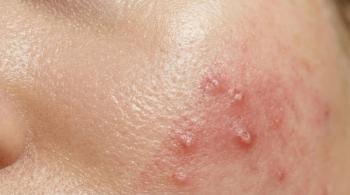
Insect bite reactions are among the most frequently encountered dermatologic issues during summer. Pediatric patients often have robust local inflammatory responses to insect bites, typically manifesting as erythematous, edematous papules or plaques, often with a central punctum.2 Fleas, mosquitoes, and mites are common etiological agents.2 Grouped or linear lesions may suggest bedbug or flea exposure. Diagnosis is primarily clinical and based on lesion morphology, distribution on exposed skin (eg, face, arms, and legs), and recent environmental exposure history.2 Management includes topical corticosteroids to reduce inflammation, oral antihistamines for pruritus, and a short course of systemic corticosteroids may be warranted in cases of significant local reactions.2 Preventive measures, including using insect repellents such as picaridin and DEET, long-sleeved clothing, and environmental control, should be emphasized.
Heat-Related Eruptions
Miliaria, or heat rash, is common in infants and young children, especially in hot and humid climates. It results from obstruction of eccrine sweat ducts, leading to characteristic lesions depending on the depth of ductal blockage.3 Miliaria rubra presents with erythematous papules, commonly appearing on the neck, trunk, or intertriginous areas.4 In contrast, miliaria crystallina is characterized by superficial, noninflammatory vesicles.4 Miliaria profunda, fortunately less common, manifests as firm, flesh-colored papules.4 Treatment involves cooling measures, such as cool baths and ensuring adequate ventilation.4 Parents should be advised to dress children in lightweight, breathable fabrics, and mild topical corticosteroids or calamine lotion may be used to reduce pruritus.4
Contact Dermatitis and Plants
Exposure to urushiol-containing plants such as poison ivy, poison oak, and poison sumac commonly results in allergic contact dermatitis.5 Clinical presentation includes linear or streaky vesiculobullous eruptions, which are often intensely pruritic, and lesions typically develop within 12 to 72 hours following exposure.5 Diagnosis is clinical, with lesion distribution and a history of outdoor activities (eg, hiking and gardening) that offer diagnostic clues. Also, advise parents that “leaves of 3, let them be” to avoid the plant.
Treatment includes topical corticosteroids for mild to moderate cases.5 Severe or widespread dermatitis may require systemic corticosteroids, typically initiated at 1 to 2 mg/kg/day of prednisone with a gradual taper over 2 to 3 weeks.5 Patient education should focus on avoiding offending plants, prompt washing of skin and clothing postexposure, and using protective clothing.
Sun Exposure: Chronic Effects
Although chronic sun damage is usually associated with older populations, its effects can begin in childhood, particularly in fair-skinned individuals. Early signs include solar lentigines, ephelides, and subtle textural changes in sun-exposed areas.6 Preventive strategies are crucial and should be discussed at routine visits. Children should use broad-spectrum sunscreen with SPF of 30 or more, applied 15 to 30 minutes before sun exposure and reapplied every 2 hours.6 Additional protective measures include the use of wide-brimmed hats and long-sleeved clothing, and avoidance of sun exposure during peak UV hours (between 10 am and 4 pm).6
Sun Sensitivity Disorders
Polymorphous Light Eruption (PMLE)
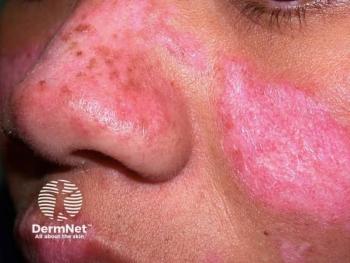
PMLE is one of the most common acquired photodermatoses in children. It presents as pruritic papules, plaques, or vesicles on sun-exposed skin, often appearing hours to days after initial UV exposure.7 The condition typically improves with repeated sun exposure over the season, and management focuses on strict photoprotection.7 For patients with severe or recurrent episodes, preseason hardening with phototherapy can reduce symptoms.
Medication-Induced Photosensitivity
Several medications, including doxycycline, nonsteroidal anti-inflammatory drugs, and isotretinoin, can induce photosensitivity reactions.8 Phototoxic reactions can resemble sunburns and occur shortly after exposure, while photoallergic reactions may present as eczematous lesions that extend beyond sun-exposed areas.8 Management includes discontinuing the agent when possible, in addition to topical corticosteroids and sun avoidance.8 Education on the risks of photosensitizing medications is crucial.
Genetic Photodermatoses
Although rare, genetic photodermatoses can present in childhood and require early identification. Xeroderma pigmentosum is characterized by marked UV sensitivity, early-onset freckling, pigmentary changes, and a significantly increased risk of skin malignancy.9 Bloom syndrome presents with features such as photosensitivity, growth retardation, immunodeficiency, and a predisposition to malignancy.10 Erythropoietic protoporphyria is distinguished by burning pain and erythema within minutes of sun exposure, often without visible lesions.11 Prompt referral to dermatologic and genetic specialists is essential for diagnosis. Long-term management and rigorous photoprotection are necessary in all cases.
Henoch-Schönlein Purpura
Henoch-Schönlein purpura is an immunoglobulin A–mediated small vessel vasculitis seen in children. It typically presents with palpable purpura on the lower extremities and buttocks, along with arthralgia and gastrointestinal symptoms.12 Sometimes, UV exposure may exacerbate or localize purpura to sun-exposed areas.12 Management is usually supportive, with systemic corticosteroids considered in the presence of severe systemic involvement. Dermatologists should maintain a high index of suspicion and collaborate with colleagues in pediatrics and rheumatology as needed.
Atopic Dermatitis in the Summer
The impact of summer on atopic dermatitis is variable. While increased humidity and moderate UV exposure may benefit some patients, others experience flares triggered by sweating, chlorine exposure, seasonal allergens, and environmental irritants.13 Additionally, clothing and activity modifications can reduce sweating-induced flares.13 For children with moderate to severe disease, treatment plans may need to be adjusted seasonally to address increased triggers during summer, and applying emollients after swimming can be considered.13
Understanding UV Spectrum
Dermatologists should educate families about the different types of ultraviolet radiation—UVA, UVB, and UVC—and their impact on skin health. While UVC is largely filtered by the atmosphere, UVA and UVB penetrate the skin, contributing to photo damage, sunburn, and the pathogenesis of photosensitive disorders.14
Sunscreens labeled broad-spectrum offer protection against both UVA and UVB.15 UVB is primarily responsible for erythema and sunburn, while UVA penetrates more deeply, contributing to photoaging and carcinogenesis.15 Sunscreen should be applied liberally—approximately 1 oz per full-body application—and reapplied every 2 hours or after swimming or sweating.15 Infants under 6 months should avoid direct sun exposure entirely.15 Encouraging sun-safe habits from an early age can significantly reduce lifetime cumulative UV damage and help prevent both acute and long-term dermatologic consequences. The FDA has identified some sunscreen components as GRAS or “generally recognized as safe,” but the primary ingredients do not effectively protect against UVA damage; thus, looking for sunscreens that also cover UVA is important.
Conclusion
Summer presents a unique set of challenges in pediatric dermatology. Clinicians must maintain a broad differential diagnosis from common irritants such as insect bites and heat rashes to more complex conditions such as photosensitivity syndromes and plant-induced dermatitis. Chronic conditions such as atopic dermatitis may also require tailored strategies during warmer months.
Early recognition, evidence-based techniques, and preventive educational counseling are essential in reducing disease burden and improving outcomes for pediatric patients. A proactive approach—including photoprotection education, allergen avoidance, and prompt intervention—can enable children and their families to enjoy outdoor activities safely during the summer season.
Isabella J. Tan is a third-year medical student at Rutgers Robert Wood Johnson Medical School in New Brunswick, New Jersey.
Bernard A. Cohen, MD, is an associate professor of pediatrics and dermatology at Johns Hopkins University School of Medicine in Baltimore, Maryland.
References
1. Banerjee S, Gangopadhyay DN, Jana S, Chanda M. Seasonal variation in pediatric dermatoses. Indian J Dermatol. 2010;55(1):44-46. doi:10.4103/0019-5154.60351
2. Singh S, Mann BK. Insect bite reactions. Indian J Dermatol Venereol Leprol. 2013;79(2):151. doi:10.4103/0378-6323.107629
3. Krishna S, Kim R, Pochtar E, Papaioannou H. Heat-related illness and sun safety strategies for pediatric populations. Curr Opin Pediatr. 2024;36(6):702-709. doi:10.1097/MOP.0000000000001382
4. Kandpal R, Kumar M, Patil C, Hiremath RN, Viswanath K, Sreenivas A. A study of clinical pattern and seasonal variation of dermatoses in children: contemplating findings for family physicians. J Family Med Prim Care. 2022;11(6):2468-2473. doi:10.4103/jfmpc.jfmpc_1964_21
5. Sheehan MP. Plant associated irritant & allergic contact dermatitis (phytodermatitis). Dermatol Clin. 2020;38(3):389-398. doi:10.1016/j.det.2020.02.010
6. Jindal AK, Gupta A, Vinay K, Bishnoi A. Sun exposure in children: balancing the benefits and harms. Indian Dermatol Online J. 2020;11(1):94-98. doi:10.4103/idoj.IDOJ_206_19
7. Gruber-Wackernagel A, Byrne SN, Wolf P. Polymorphous light eruption: clinical aspects and pathogenesis. Dermatol Clin. 2014;32(3):315-viii. doi:10.1016/j.det.2014.03.012
8. Stein KR, Scheinfeld NS. Drug-induced photoallergic and phototoxic reactions. Expert Opin Drug Saf. 2007;6(4):431-443. doi:10.1517/14740338.6.4.431
9. Black JO. Xeroderma pigmentosum. Head Neck Pathol. 2016;10:139-144. doi:10.1007/s12105-016-0707-8
10. Arora H, Chacon AH, Choudhary S, et al. Bloom syndrome. Int J Dermatol. 2014;53(7):798-802. doi:10.1111/ijd.12408
11. Kraus SC, Phelps SM, Griffin TD. Erythropoietic protoporphyria (erythrohepatic protoporphyria). Pediatr Dermatol. 2007;24(3):E5-E9. doi: 10.1111/j.1525-1470.2007.00383.x
12. Alexopoulos A, Dakoutrou M, Stefanaki K, Chrousos G, Kakourou T. Pediatric vasculitis: a single center experience. Int J Dermatol. 2017;56(11):1130-1138. doi:10.1111/ijd.13749
13. Fleischer AB Jr. Atopic dermatitis: the relationship to temperature and seasonality in the United States. Int J Dermatol. 2019;58(4):465-471. doi:10.1111/ijd.14289
14. Balk SJ; Council on Environmental Health, Section on Dermatology. Ultraviolet radiation: a hazard to children and adolescents. Pediatrics. 2011;127(3):588-597. doi:10.1542/peds.2010-3501
15. American Academy of Pediatrics Committee on Environmental Health. Ultraviolet light: a hazard to children. Pediatrics. 1999;104(2):328-333.
about 1 year ago
Examining Bond-Building Hair Care Treatmentsabout 1 year ago
Long-Term Care Planning 101: What Dermatologists Need to Knowabout 1 year ago
Dermatology Times August 2025 Print Recapabout 1 year ago
Recognizing the Hidden Burdens of Pediatric Psoriasis