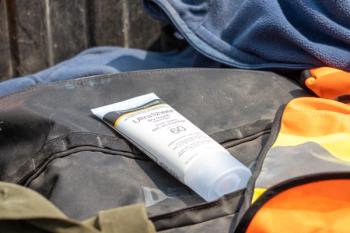
Two new Neutrogena facial sunscreens incorporate bemotrizinol, the first new sunscreen active ingredient added to the US OTC monograph in decades.
Learn more about the in-depth topics covered in the August 2025 print issue of Dermatology Times.
The August issue of Dermatology Times includes a collection of thought-provoking articles and topics including unpacking the hidden aspects of pediatric psoriasis and targeting shared pathways with tofactinib. Be sure to read the highlights from the issue below. Also, don’t miss a moment of Dermatology Times by signing up for our
Recognizing the Hidden Burdens of Pediatric Psoriasis
Although less prevalent than commonly seen atopic dermatitis, pediatric psoriasis presents a distinct and persistent treatment challenge for clinicians. Psoriasis develops in childhood or adolescence in approximately 40% of adults with psoriasis. Why is this important? It is well known that psoriasis is a multisystem disease that can have longstanding impact and systemic comorbidities. The most concerning comorbidities in pediatric patients are uveitis, arthritis, obesity, type 2 diabetes (T2D), and metabolic syndrome. In adult patients, T2D is associated with psoriasis, and earlier age of onset may be a risk factor. Although this has not been clearly delineated in pediatric patients, there is a link to pediatric obesity, psoriasis, and diabetes. It has been shown that obesity presents before a diagnosis of psoriasis by at least 2 years in the majority of children, and higher BMI is associated with potentially greater body surface area involvement of psoriasis. Obesity then poses as a risk factor for the development of other serious comorbidities, including hypertension and hyperlipidemia. Believe it or not, atherosclerotic plaques can develop as young as 11 years.
Targeting Shared Pathways: Tofacitinib for Co-Occurring Vitiligo and Discoid Lupus Erythematosus
Vitiligo often coexists with other autoimmune diseases, but its development secondary to discoid lupus erythematosus (DLE) is rarely reported. DLE, a chronic form of cutaneous lupus, is marked by inflammatory plaques with scarring, pigment alteration, and potential for permanent disfigurement. Both vitiligo and DLE have been linked to dysregulated interferon (IFN) signaling through the Janus kinase (JAK)-STAT pathway, offering a shared mechanistic target for intervention.
Conventional therapies such as corticosteroids, calcineurin inhibitors, and antimalarials often fail to control disease in recalcitrant cases or dual presentations. Recent evidence suggests that JAK inhibitors such as tofacitinib may modulate inflammatory circuits involved in these diseases. This case illustrates successful repigmentation and resolution of lesions with tofacitinib in a patient with vitiligo secondary to DLE.
Biologic Therapy Shows Promise for Tough Acne
A notoriously difficult condition to treat due to its chronic and severe nature, acne conglobata (AC) often presents quickly, primarily affecting the face, back, and chest. AC can severely impact patients’ quality of life and mental health due to both its aggression and visibility, leading researchers to take a closer look at its treatment modalities. Traditionally, the condition is treated using isotretinoin and systemic corticosteroids, with successful cases of AC treated with tumor necrosis factor–α inhibitors also reported.
Researchers Madanchi et al recently published several case studies outlining a promising off-label treatment for the condition: the biologic agent bimekizumab, a dual interleukin-17A and interleukin-17F inhibitor. These cases demonstrate not only the drug’s effectiveness in lesion reduction but also its potential to bypass the emotional and physical toll often associated with traditional therapies.
Microfocused Ultrasound With Visualization for Arm and Abdomen Skin Quality: Global Perspective Beyond the Face
Microfocused ultrasound with visualization (MFU-V; Ulthera System; Ulthera, Inc) is globally recognized for its ability to noninvasively lift the face and neck and to improve lines and wrinkles on the décolletage through the precise delivery of microfocused ultrasound energy. Its effectiveness has been underscored by a recent systematic review and meta-analysis of 29 studies, which reported a pooled patient satisfaction rate of 84% and significant improvements in skin laxity and firmness. These findings spanned a range of facial and off-face treatment zones, reinforcing the potential of MFU-V across multiple anatomical areas.
As the aesthetics field continues to evolve, so too does patient interest in achieving comprehensive skin quality improvements beyond the face. With the growing demand for safe, noninvasive options for areas such as the arms and abdomen, clinicians worldwide are increasingly exploring how MFU-V might support these goals.
about 1 year ago
Examining Bond-Building Hair Care Treatmentsabout 1 year ago
Long-Term Care Planning 101: What Dermatologists Need to Knowabout 1 year ago
Recognizing and Managing Pediatric Summer Skin Eruptionsabout 1 year ago
Recognizing the Hidden Burdens of Pediatric Psoriasis