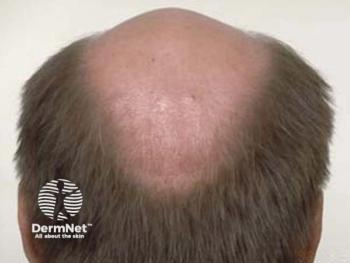
Three experimental hair loss mechanisms are moving through late-stage trials for the first time in decades, and the data are worth knowing before patients ask.
Explore innovative biologic treatments for prurigo nodularis, enhancing patient quality of life and breaking the itch-scratch cycle effectively.
Gil Yosipovitch, MD, presented 3 cases of severe prurigo nodularis (PN) in a recent Dermatology Times Case-Based Peer Perspectives custom video series,
The Impact of PN
Yosipovitch first emphasized that PN is among the most severe pruritic conditions encountered in dermatology, with an intensity often exceeding that of atopic dermatitis. PN significantly impairs patients’ quality of life, most notably by disrupting sleep and causing psychological comorbidities, such as depression and anxiety. Yosipovitch explained that the itch-scratch cycle is central to the disease pathogenesis, as persistent scratching both initiates and perpetuates nodular lesions through skin trauma, barrier disruption, and amplifying cytokines (eg, IL-4, IL-13, IL-31), neuropeptides, and the protein periostin. Breaking this cycle is critical for disease control.
According to Yosipovitch, recent advancements, particularly the approvals of dupilumab (Dupixent; Sanofi and Regeneron) and nemolizumab (Nemluvio; Galderma), have transformed management by directly targeting cytokines involved in PN pathogenesis. These biologics not only improve physical symptoms but also restore sleep, mood, and self-esteem. Yosipovitch highlighted that clinicians now have meaningful, targeted options to treat a historically intractable and distressing disease.
Case No.1
The first case highlighted a Black woman aged 58 years with severe PN, characterized by more than 50 excoriated nodules and a severe Itch Numeric Rating Scale (NRS) score of 9/10. Her disease had significantly impaired her sleep, work productivity, and quality of life. After multiple ineffective therapies—including hydroxyzine, amitriptyline, and clobetasol—systemic treatment was suggested due to the high burden of disease. Given the patient’s desire for rapid relief, nemolizumab was selected over dupilumab. While both are highly effective, nemolizumab has shown faster antipruritic effects, with some patients reporting improvement after a single injection. The patient also had comorbidities common in PN, including hypertension, anxiety, and hypothyroidism.
Yosipovitch emphasized that itch is the primary driver of morbidity in PN and should be prioritized in treatment goals. Patients typically experience itch relief before nodule clearance, which may take months. He also discussed the importance of shared decision-
making, addressing patient concerns about self-injection, and setting realistic expectations. Finally, he stressed that psychological symptoms such as depression and anxiety are often secondary to the disease, not causal, and tend to improve with effective biologic therapy.
Case No. 2
The second case involved a White man aged 32 years with a long-standing history of atopic dermatitis (AD) and asthma, who was recently diagnosed with PN. His symptoms included a NRS score of 8/10, sleep disruption, and multiple nodules on his upper arms and lower back. The patient had used various topical therapies with little benefit. Given the extensive disease burden and underlying comorbidities, systemic treatment was recommended.
Although both dupilumab and nemolizumab are effective for PN, dupilumab was selected due to the patient’s active asthma. According to Yosipovitch, clinical trials have reported asthma exacerbations with nemolizumab, and asthmatic patients were later excluded from its studies. Dupilumab, by contrast, is FDA-approved for both AD and asthma, making it a more appropriate choice.
The discussion emphasized the importance of breaking the itch-scratch cycle and setting realistic expectations. While itch relief may take longer with dupilumab compared with nemolizumab, both therapeutics ultimately achieve similar efficacy in PN and AD. Dupilumab also improves sleep and mood disturbances, contributing to an improvement in long-term quality of life.
Case No. 3
The last case featured a Latino man aged 68 years who is a retired postal worker presenting with newly diagnosed PN. He reported severe itch (NRS 8/10) and nodular lesions affecting his arms and upper back. His comorbidities include stage 3 chronic kidney disease, hypertension, and type 2 diabetes (controlled with semaglutide). The patient’s itch was impacting his sleep and daily functioning. He had not yet tried treatment and expressed a preference for a simple, low-burden regimen due to challenges with adherence.
Due to the severity of the patient’s symptoms, biologic therapy was indicated. Although both dupilumab and nemolizumab are effective options, nemolizumab was selected because of its monthly dosing schedule—a key consideration for this patient’s inconsistent medication routine. Nemolizumab’s favorable safety and tolerability profile, including minimal injection site reactions and a nonimmunosuppressive mechanism, also made it an appropriate choice for multiple comorbidities.
Closing Remarks
The 3 PN cases that Yosipovitch presented demonstrate the improved clinical approach to a once difficult-to-treat condition. Each patient—a woman with high disease burden seeking rapid relief, a younger man with comorbid atopic dermatitis and asthma, and an older man with multiple medical comorbidities and adherence challenges—shows how individualized treatment selection can improve outcomes.
Biologics such as nemolizumab and dupilumab offer clinicians targeted, effective, and well-tolerated options for managing severe itch and breaking the itch-scratch cycle. Consideration is given to dosing convenience, speed of onset, comorbid conditions, and patient preferences.
“We now offer hope to these patients, and their quality of life is significantly improved with these approaches and treatments. There are future developments of other drugs in this area, and I believe in the next decade we will be able to solve prurigo nodularis in almost all patients,” Yosipovitch concluded.
about 1 year ago
Examining Bond-Building Hair Care Treatmentsabout 1 year ago
Long-Term Care Planning 101: What Dermatologists Need to Knowabout 1 year ago
Dermatology Times August 2025 Print Recapabout 1 year ago
Recognizing and Managing Pediatric Summer Skin Eruptionsabout 1 year ago
Recognizing the Hidden Burdens of Pediatric Psoriasis