A few tips on relaying medical dataWe all have the experience of reading medical literature hoping thatthe articles will give new insights into skin disease and its management. There is often that vague discomfort that the data and their interpretationare not necessarily objective. This may be true for many reasons, includingconflicts of interest by the authors, optimistic spins from true believers,or honest misinterpretations of complex information. There are severalways that readers can be guided through this morass by the authors. Ifthe following footnotes were added at the end of scientific reports, itwould be a major assist to the readers:
The FDA approved therapies for melanoma, dermatomyositis, superficial basal cell carcinoma, and adolescent alopecia areata, while TYK2 inhibitors and rare disease filings advanced toward 2027 decisions.
Can at-home dermarollers give the same results as in-office microneedling or is that just a myth? Read more about the latest social media trend and learn how to counsel your patients in the clinic.
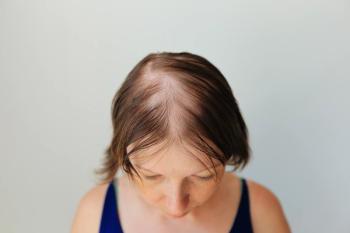
The FDA approval, based on 36-week data from the phase 3 BRAVE-AA-PEDS trial, extends baricitinib access to patients as young as 12 years old with severe alopecia areata.