From emerging therapies to earlier intervention and psychosocial support, Dermatology Times looks back at key alopecia areata developments in 2026.
This review of the latest dermatological studies includes insights on racial differences in PCOS-related teenage acne, CVD in patients with HS and lymphedema, propranolol for infantile hemangioma, and more.
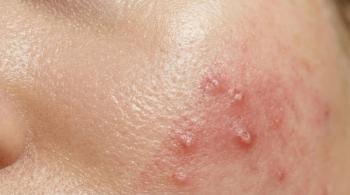
This retrospective study examined racial and ethnic differences in acne treatment among adolescents with polycystic ovary syndrome (PCOS) at a single urban academic center. Charts from 138 female patients younger than 18 years with PCOS-related acne were reviewed over a 10-year period. Most patients had moderate acne, with severity similar across racial and ethnic groups. After adjusting for acne severity, insurance status, and interpreter use, significant disparities in prescribing persisted. Hispanic adolescents had markedly lower odds of receiving spironolactone, combined oral contraceptives, and isotretinoin compared with White patients, while Black adolescents were less likely to receive topical antibiotics. These differences were not fully explained by clinical severity or access-related factors, suggesting additional provider-, system-, or patient-level influences.1
A prospective observational study evaluated whether baseline dermoscopic features could predict treatment response in moderate-to-severe papulopustular rosacea treated with topical ivermectin or metronidazole. Twenty-three adults were treated once daily for 8 weeks and assessed by blinded clinicians using clinical lesion counts and dermoscopy. Both therapies significantly reduced inflammatory lesions, with comparable overall response rates. However, a key distinction emerged on dermoscopic evaluation. Protruding follicular plugs (PFPs), a marker of Demodex-related follicular involvement, were strongly associated with optimal response to ivermectin: all ivermectin-treated patients with baseline PFPs achieved >75% lesion reduction, while none without PFPs did. In contrast, PFP-positive patients treated with metronidazole showed minimal or no improvement, and all optimal responders in the metronidazole group lacked PFPs. No other clinical or dermoscopic features predicted outcomes.2
This letter highlights chronic venous disease (CVD) as a potentially underrecognized comorbidity in patients with hidradenitis suppurativa (HS), particularly those with secondary lymphedema. In a retrospective multicenter cohort of 50 patients with HS-associated lymphedema, 20% showed clinical signs of CVD, including prominent varicose veins of the lower extremities, groin, and buttocks. Affected patients were predominantly older, overweight, and had severe, lower-body HS. Two patients required vascular intervention with radiofrequency ablation, resulting in symptomatic improvement. The authors propose shared pathophysiologic mechanisms linking HS, lymphedema, and CVD, including chronic inflammation, obesity, smoking, and venous and lymphatic dysfunction. Although limited by small sample size and selection bias, this is the first report to draw attention to CVD in this high-risk HS population.3
A systematic review and meta-analysis compared the efficacy and safety of oral propranolol with other active treatments for infantile hemangioma (IH), including atenolol, corticosteroids, timolol, and combination therapies. Eight randomized or controlled clinical trials involving 900 pediatric patients were analyzed. Overall response rates (≥50% lesion reduction) did not differ significantly between propranolol and comparator therapies, indicating that multiple agents are effective for inducing regression. However, propranolol was associated with a significantly higher likelihood of achieving complete or near-complete remission. Safety outcomes were comparable across treatment groups, with no significant differences in overall adverse event rates. Subgroup analyses showed consistent findings regardless of the comparator drug.4
This PRISMA-compliant systematic review and meta-analysis evaluated the efficacy and safety of bromelain-based enzymatic debridement (BBD) for chronic wounds using randomized controlled trial data. Following a PROSPERO-registered protocol, investigators identified three RCTs including 314 adults with chronic wounds comparing topical BBD with standard care or vehicle control. Two trials contributed data on efficacy and all three reported safety outcomes. BBD significantly increased the likelihood of achieving complete debridement compared with control (risk ratio [RR] 2.81, 95% CI 1.15–6.86), although moderate heterogeneity was observed. Importantly, BBD did not increase the risk of adverse events, with comparable safety profiles between groups (RR 1.02, 95% CI 0.76–1.36) and no influential studies identified on sensitivity analysis.5
References
1. Garcia S, Kenner-Bell B. Racial Differences in Dermatologic Treatment for Adolescents With PCOS-Related Acne Vulgaris. Pediatr Dermatol. Published online February 16, 2026. doi:10.1111/pde.70153
2. Plozner N, Lai M, Figini M, Mehta N, Szykut-Badaczewska A, Kyrgidis A Errichetti E. (2026). Dermoscopic Response Predictors in Papulopustular Rosacea Treated with Topical Ivermectin and Metronidazole: A Prospective Observational Comparative Study. Clinical, Cosmetic and Investigational Dermatology, 19. doi:10.2147/CCID.S589715
3. Garbayo-Salmons P, Molina-Leyva A, Aguayo-Ortiz RS, Vilarrasa E. (2026), Chronic Venous Disease in Patients With Hidradenitis Suppurativa and Lymphedema: An Overlooked Problem. JEADV Clinical Practice. doi:10.1002/jvc2.70300
4. J Hu, L Pan, H Kong, J Lou, A Systematic Review and Meta-Analysis of the Efficacy and Safety of Propranolol Versus Other Drugs in the Treatment of Infantile Hemangioma. J Cosmet Dermatol. (2026): e70750, doi:10.1111/jocd.70750
5. UB Günay, MK Tanin, A Demiröz. Efficacy and Safety of Bromelain-Based Enzymatic Debridement for Chronic Wounds: A Systematic Review and Meta-Analysis of Randomised Controlled Trials. Wound Repair and Regeneration 34, no. 1 (2026): e70132, doi:10.1111/wrr.70132.