From emerging therapies to earlier intervention and psychosocial support, Dermatology Times looks back at key alopecia areata developments in 2026.
This review of the latest dermatological studies includes insights on the use of microneedling in wound healing, pediatric HS treatment patterns, the role of blood-related phenotypes in hypertrophic scars and keloids, and more.
This retrospective cohort study evaluated real-world treatment patterns in pediatric hidradenitis suppurativa (HS) using a large US electronic health record database (2005–2025). Among 6,659 patients (<18 years; mean age 12.8 years; 74.9% female), investigators assessed time to treatment initiation, initial therapy selection, and time to treatment switching across demographic groups. Treatment was initiated a mean of 15 days after diagnosis, although non-White children began therapy significantly sooner than White children (1 vs 17 days; p<0.0001). Systemic antibiotics combined with topical therapies were the most common first-line approach, while only 3.2% of patients received biologics. The average duration before switching therapies was 386 days, indicating prolonged use of initial regimens. Girls were more likely than boys to receive treatment, including biologics.1
A recent Mendelian randomization study evaluated the causal role of blood-related phenotypes in hypertrophic scars and keloids using large-scale GWAS data. Genetic instruments associated with blood cell counts, blood pressure, lipids, and glucose were analyzed against hypertrophic scarring (FinnGen) and keloid (GWAS Catalog) outcomes, with inverse variance weighting as the primary method and multiple sensitivity analyses to ensure robustness. Results demonstrated that higher leukocyte and neutrophil counts were significantly associated with increased keloid risk, supporting a causal role for systemic inflammation in keloid pathogenesis. In contrast, no blood cell traits were linked to hypertrophic scarring risk. Lower systolic and diastolic blood pressure were associated with increased hypertrophic scarring risk, while lower systolic blood pressure was also linked to keloids. No causal associations were observed for lipid or glucose levels.2
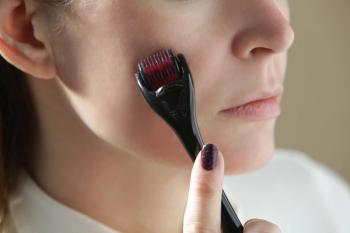
In this review, investigators examined the evolving role of microneedles (MNs) as a novel therapeutic platform in wound healing, addressing the multifactorial challenges that impair tissue repair. MNs have emerged as a promising solution due to their ability to bypass the skin barrier and enable targeted, minimally invasive drug delivery. The authors describe the progression of MN design from passive delivery systems to advanced bioactive and stimuli-responsive platforms, including smart systems capable of sensing wound conditions and providing feedback-driven therapy. The review also highlights stage-specific applications tailored to different wound environments, such as managing exudate and preserving unstable therapeutics. Importantly, translational considerations—including sterility, mechanical integrity, and regulatory pathways for combination products—are emphasized as critical to clinical adoption.3
This real-world cohort study evaluated the impact of body mass index (BMI) on biologic efficacy in 891 Chinese adults with moderate to severe psoriasis treated between 2020 and 2025. Patients were stratified by BMI (<24 vs ≥24 kg/m²), and outcomes included PASI90 response rates and drug survival across IL-17, IL-23, and TNF-α inhibitors. Among IL-17 inhibitor users, non-overweight patients achieved significantly higher PASI90 rates at 4, 6, and 12 months compared with overweight/obese patients, indicating reduced efficacy with higher BMI. In contrast, BMI did not significantly influence response to TNF-α or IL-23 inhibitors overall. Within the non-overweight group, IL-17 and IL-23 inhibitors outperformed TNF-α inhibitors and were associated with fewer treatment switches. Notably, in overweight and obese patients, IL-23 inhibitors demonstrated the highest PASI90 rates and longest drug survival.4
This unique study evaluated the utility of a monthly, web-based cosmetic dermatology journal club involving faculty, residents, and medical students. Over a 5-month period between May and September 2025, 16 articles were discussed, and 41 participants (60% response rate) completed post-session surveys assessing engagement, relevance, and educational value. Overall, the journal club was highly rated, with strong scores for usefulness (mean 4.6/5), engagement, and appropriate session length and content volume. Most participants reported that discussions were clinically relevant and influenced practice in areas such as melasma management, laser therapies, and injectables. Additionally, 92% indicated they were likely to participate again, and 98% would recommend the program. However, differences emerged by training level: residents and medical students perceived the sessions as less relevant and too infrequent compared with faculty. Despite this, the findings support virtual journal clubs as an effective, accessible tool for continuing education and fostering multidisciplinary discussion in cosmetic dermatology.5
References
1. Aflatooni S, Ure A, Smart K, et al. Treatment Patterns in Pediatric Hidradenitis Suppurativa: Time to Treatment Initiation, Initial Treatment, and Time to Switching. Pediatr Dermatol. Published online April 14, 2026. doi:10.1111/pde.70214
2. Zhou F, Zeng, G. (2026). Decoding the Causal Effects of Blood-Related Phenotypes in Hypertrophic Scars and Keloids: A Mendelian Randomization Study. Clinical, Cosmetic and Investigational Dermatology, 19. https://doi.org/10.2147/CCID.S593178
3. Li M, Dong Y, Zhou Y, et al. From Concept to Clinic: Innovative Applications and Design Evolution of Microneedles in Wound Healing. Adv Healthc Mater. Published online April 14, 2026. doi:10.1002/adhm.202505375
4. Shen X, Wang F, Wang R, et al. Biologic Efficacy by BMI in Moderate-To-Severe Psoriasis: A Real-World Cohort Study. Exp Dermatol. 2026;35(4):e70252. doi:10.1111/exd.70252
5. Chang J, Alvi S, Zhang E, et al. Assessing the Utility of a Cosmetic Dermatology Journal Club. J Cosmet Dermatol. 2026;25(4):e70798. doi:10.1111/jocd.70798