Amsterdam - Dermatologists have long been aware that superficial burns tend to heal quickly and leave little or no scarring, and that burns of full thickness, affecting deeper layers of the dermis, are often very slow to heal and leave permanent scars. According to Christopher Dunkin and Jonathon Pleat of the Stoke Mandeville Burns and Reconstructive Surgery Research Trust, Aylesbury, UK, the explanation for this difference might be that there is a "threshold level" for wound depth, with wounds above the threshold healing quickly without scarring and wounds below the threshold healing slowly and developing a fibrotic scar.
The FDA approved therapies for melanoma, dermatomyositis, superficial basal cell carcinoma, and adolescent alopecia areata, while TYK2 inhibitors and rare disease filings advanced toward 2027 decisions.
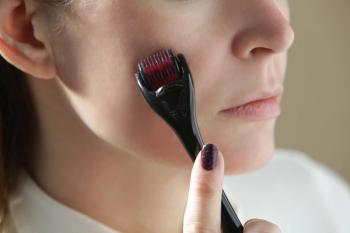
Can at-home dermarollers give the same results as in-office microneedling or is that just a myth? Read more about the latest social media trend and learn how to counsel your patients in the clinic.
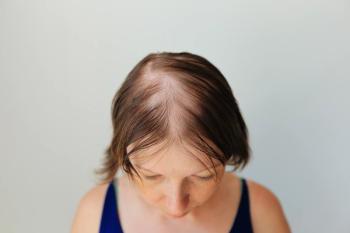
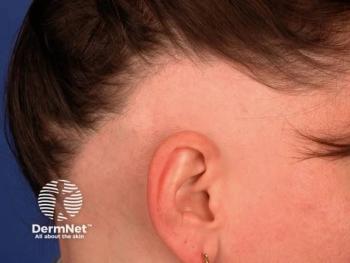
The FDA approval, based on 36-week data from the phase 3 BRAVE-AA-PEDS trial, extends baricitinib access to patients as young as 12 years old with severe alopecia areata.