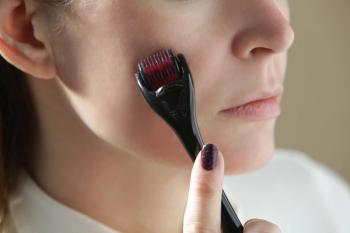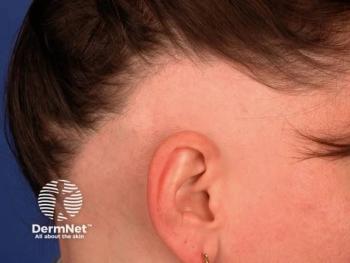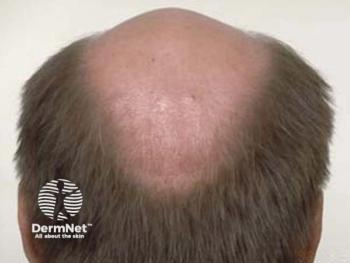
From emerging therapies to earlier intervention and psychosocial support, Dermatology Times looks back at key alopecia areata developments in 2026.
NFBC1966 data from Finland show that hand eczema is associated with poorer self-rated work ability among middle-aged adults, particularly among those with certain risk factors.
Although previous research has demonstrated that hand eczema (HE) is associated with increased sick leave, reduced productivity, and occupational changes, relatively few studies have explored how patients themselves perceive their ability to work. A recent population-based analysis from the Northern Finland Birth Cohort 1966 (NFBC1966) provided new insights into the relationship between HE and self-reported work ability among middle-aged adults.1
Earlier epidemiologic studies have demonstrated the occupational burden of HE. Prior research has documented high rates of sick leave among individuals with HE, with some reports indicating that approximately one-fifth of patients experience extended work absences annually due to the condition.2 Other studies have reported job changes, career shifts, or even unemployment among patients with severe or occupational HE.
The NFBC1966 is a longitudinal research program that has followed individuals born in the 2 northernmost provinces of Finland in 1966. Participants have been regularly assessed through questionnaires and clinical evaluations since birth. For this cross-sectional analysis, investigators used data from the cohort’s 46-year follow-up conducted in 2012, a time point when most were in their primary working years. Of the 10,331 patients invited to complete the health questionnaire, 6830 responded, yielding a response rate of 66.2%. Complete data on both HE and work ability were available for 6643 participants.
HE status was determined via self-report using the question: Do you have, or have you ever had, HE diagnosed or treated by a physician? Work ability was assessed using the Work Ability Score, a widely used single-item measure derived from the broader Work Ability Index. Patients were asked to rate their current work ability on a scale from 0 to 10, where 10 represented the best possible work ability, and 0 indicated complete inability to work. Consistent with established methodology, scores of 8 to 10 were categorized as “good work ability,” whereas scores of 0 to 7 were classified as “poor work ability.”
In total, 853 patients (12.8%) reported a lifetime physician diagnosis of HE. The condition was significantly more common among women than men, affecting 15.6% of women compared with 9.5% of men. Several other baseline differences were observed between patients with and without HE. Participants reporting the disease were more likely to be women, obese, physically inactive, and to have physician-diagnosed musculoskeletal disorders. These factors were considered potential confounders as they are also known to influence work ability.
Overall, most patients rated their work ability as good. Across the entire cohort, 81.4% reported good work ability, whereas 18.6% reported poor work ability. However, patients with HE were significantly more likely to report impaired work ability compared with those without the condition. Poor work ability was reported by 23.9% of participants with HE vs 17.8% of those without, a statistically significant difference.
Logistic regression analyses were conducted to quantify the association between HE and work ability while accounting for confounding variables. In the crude analysis, patients with HE had a 45% higher likelihood of reporting poor work ability compared with those without HE (OR, 1.45; 95% CI, 1.21-1.73). This relationship remained significant after stepwise adjustment for multiple potential confounders, including sex, education level, body mass index, smoking status, leisure-time physical activity, depressive symptoms, and musculoskeletal disorders. In the fully adjusted model, HE was associated with a 33% increased likelihood of poor self-rated work ability (adjusted OR, 1.33; 95% CI, 1.09-1.62).
The study’s strengths include its large, population-based cohort, relatively high response rate, and the ability to adjust for multiple confounding factors. Because all patients were born in the same year, age-related variability in work conditions was minimized. Additionally, the broad health questionnaire reduced the likelihood of selection bias associated with disease-specific surveys.
Nevertheless, several limitations should be considered. HE status was self-reported based on prior physician diagnosis, which may have resulted in underreporting, particularly among individuals with mild disease who did not seek medical care. Information on HE severity, subtype, and etiology was unavailable, and the cross-sectional design precludes conclusions about causality. The relatively homogeneous Finnish cohort may also limit generalizability to other populations.
Despite these limitations, the findings reinforce the significant occupational impact of HE. The authors suggest that clinicians managing HE should routinely assess how the condition affects patients’ work ability and consider strategies that support occupational functioning alongside medical treatment.
References
1. Huuhtanen A, Huilaja L, Jokelainen J, Ala-Mursula L, Sinikumpu SP. Hand eczema and self-reported work ability in middle-aged cohort: a Northern Finland Birth Cohort 1966 study. Contact Dermatitis. 2026;94(2):120-124. doi:10.1111/cod.70056
2. Thyssen JP, Johansen JD, Linneberg A, Menné T. The epidemiology of hand eczema in the general population--prevalence and main findings. Contact Dermatitis. 2010;62(2):75-87. doi:10.1111/j.1600-0536.2009.01669.x