Castor oil has become a popular social media remedy for thicker, longer hair, but evidence supporting its ability to stimulate hair growth remains limited.
Learn more about the in-depth topics covered in the October 2025 print issue of Dermatology Times.
The October issue of Dermatology Times includes a collection of thought-provoking articles and topics as we explore insights into collaborative care for Breast Cancer Awareness Month. Be sure to read the highlights from the issue below and take a look at our
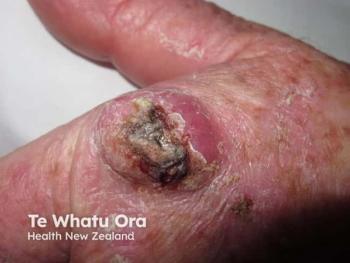
Radiation dermatitis (RD) is one of the most common adverse effects in those receiving radiation therapy (RT). Approximately half of all patients with cancer undergo RT, and almost all of these patients (95%) will develop RD. Clinically, acute RD ranges from mild erythema to desquamation, ulceration, and necrosis. Chronic RD is characterized by fibrosis, dyspigmentation, atrophy, and telangiectasia. RD can significantly impact a patient’s quality of life and even interrupt cancer treatment when severe. Thus, addressing RD is essential, and dermatologists play an important role in recognizing, preventing, and managing this condition. This is particularly relevant in breast cancer, where radiation is a cornerstone of treatment, and Breast Cancer Awareness Month serves as a reminder that comprehensive cancer care must also encompass skin health.
There is a great deal of overlap between some of the breast issues that breast surgeons treat and the world of dermatology. Patients may think that they have a skin issue and initially present to their dermatologist. By staying aware of these presentations, dermatologists can play a critical role in bridging the gap between dermatology and breast oncology, ensuring patients receive the right care pathway from the start.
October marks Breast Cancer Awareness Month, a time to emphasize prevention, early detection, and survivorship care. While oncologists lead treatment, dermatologists play a vital yet underrecognized role in comprehensive breast cancer care. Breast cancer frequently presents with cutaneous manifestations, whether from direct tumor involvement, treatment-related effects, or associated genetic syndromes. From identifying genetic risk markers to managing treatment-related skin toxicities and addressing psychosocial concerns, dermatologists significantly impact patient outcomes and quality of life throughout the cancer journey.
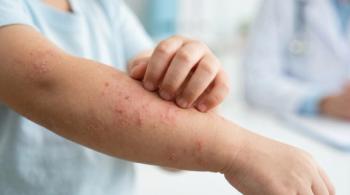
Cutaneous toxicities from anticancer therapies are common across breast cancer regimens and can lead to impactful dose reductions, treatment interruptions or cessation, and quality-of-life and psychosocial impairments. Hair loss, in particular, is reported as the most feared complication of breast cancer treatment in more than 70% of patients, with nearly 10% considering refusal of chemotherapy due to potential hair loss. Almost half of patients describe alopecia as the most distressing aspect of chemotherapy. A dermatologist’s familiarity with the varied and common dermatologic adverse effects (dAEs) of both targeted therapies and traditional chemotherapies is essential for optimizing patient outcomes.
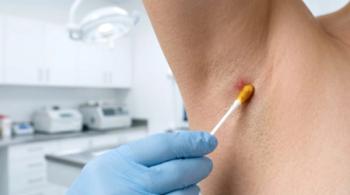
As a medical student, there was a period of time when I had a minor form of nosophobia, preoccupied with the belief that I had X or Y diagnosis as I learned about each one. As for many medical students, this preoccupation with my own symptoms and health status (or lack thereof) subsided as diseases and illness scripts became more familiar. I have been blessed with good overall health for most of my life, with nary a broken bone or surgery other than a cesarean section for the birth of my first child. The potential for personal illness receded in my mind to become not quite an impossibility but something that I was perhaps immune to, as if somehow diagnosing patients with various ailments granted immunity via desensitization, akin to allergy shots. So, it was with a certain amount of wonder that I felt a roundish lump slightly below my right armpit area several days after my birthday in 2022.
12 months ago
A Long Line of Strong Womenabout 1 year ago
Uniting Specialties to Advance Breast Cancer Care